

Cars with more than 75,000 miles work harder than they did when new. Seals soften, engine tolerances widen, and years of heat cycles take a toll on internal components. The right oil can help slow this wear. Many drivers start looking for the best oil for high mileage cars after 75,000 miles.
When to Switch to High Mileage Oil
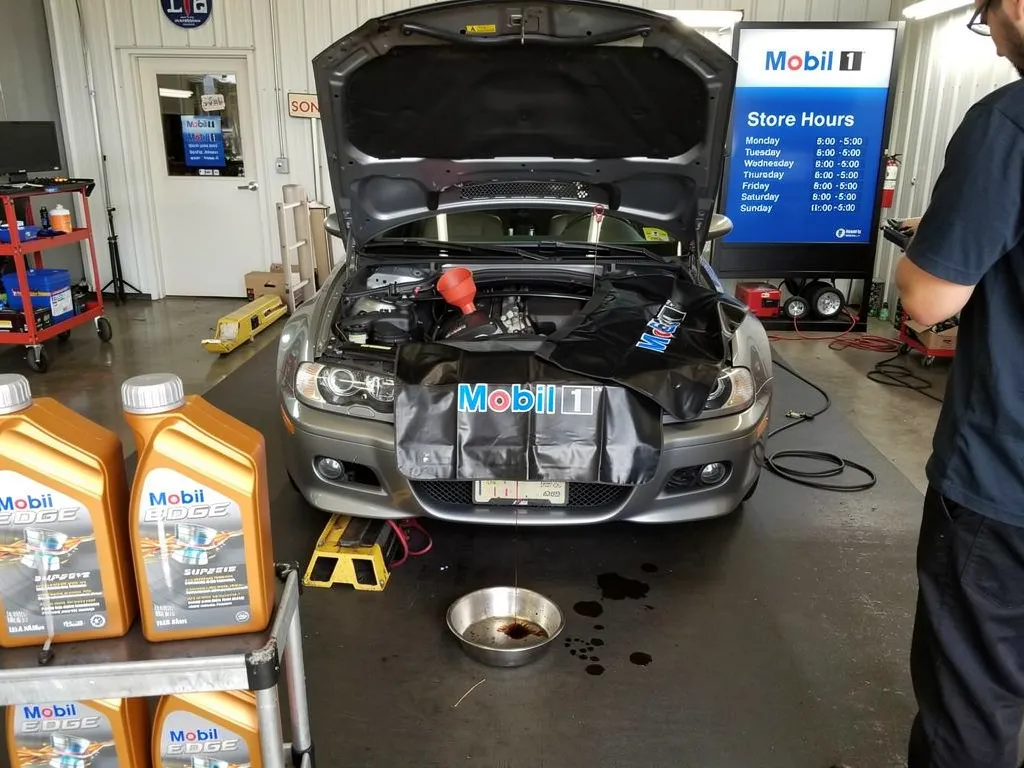
Many drivers consider switching to high mileage oil around 75,000 miles. However, driving habits and engine condition also matter. Look for these signals that it’s time to make the switch:
- Oil consumption between changes has crept up noticeably
- Minor oil spots appear under the car after it’s been parked overnight
- The engine sounds slightly louder or ticks at startup
- The vehicle has passed 75,000 miles and has never used a high mileage formula
These signs do not always mean the engine is in trouble. They may indicate that it needs oil designed for its age.
What Makes High Mileage Motor Oil Different
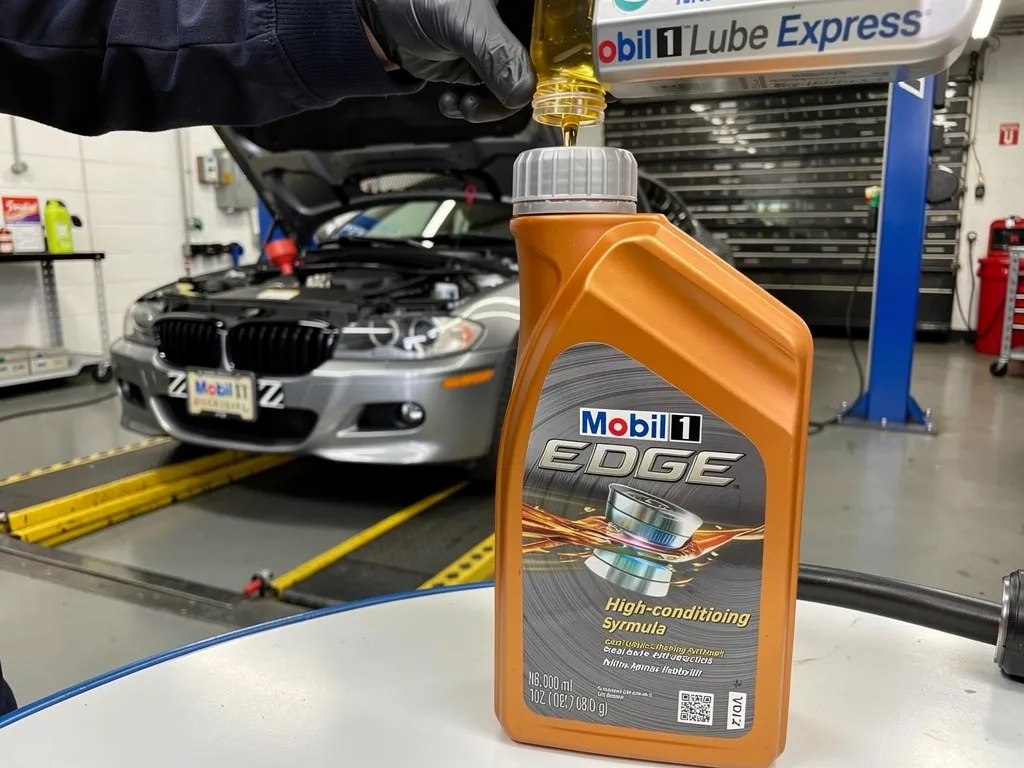
High mileage motor oil isn’t just standard oil with a different label. It’s formulated with seal conditioners that help rejuvenate rubber gaskets and O-rings, reducing the small leaks and seepage that become more common as engines age.It also contains detergents and anti-wear additives. These help control sludge and protect worn metal surfaces.
This oil can support stable oil pressure and reduce oil consumption. It may also help the engine stay cleaner.
Full Synthetic vs. Synthetic Blend High Mileage Oil
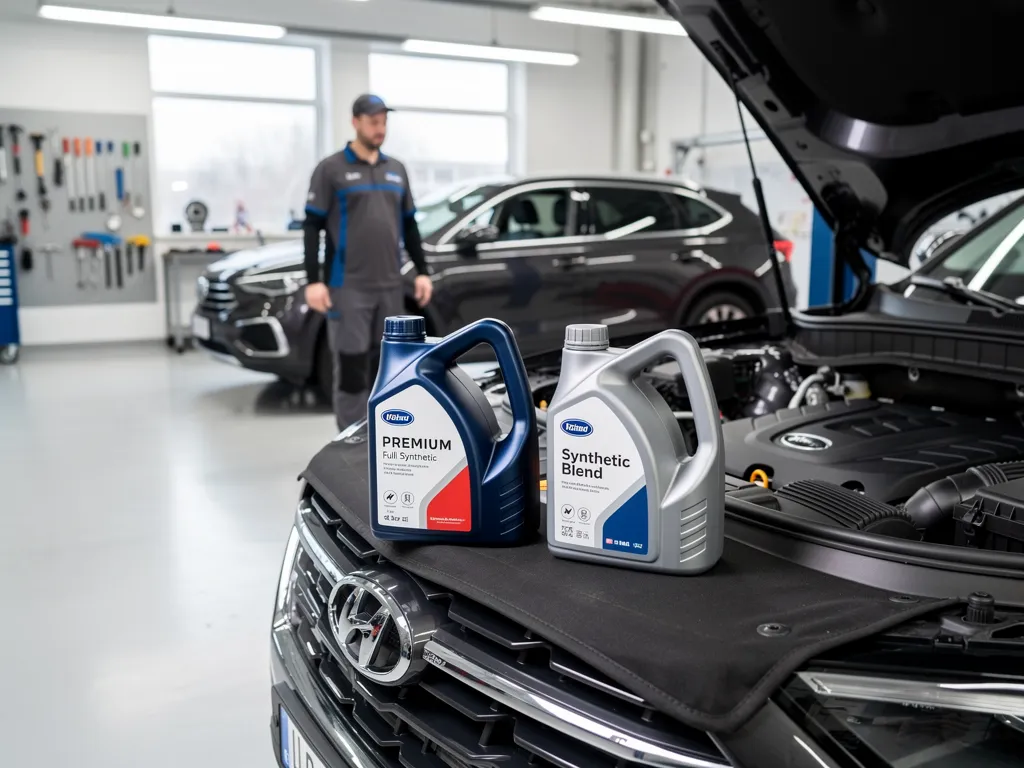
One of the most common questions is whether to choose full synthetic vs synthetic blend high mileage oil. Both are solid options, but they serve slightly different needs:
- Full synthetic high mileage oil provides consistent protection across a wide temperature range. It also resists breakdown under high heat.It’s a strong choice for towing, demanding driving, and extreme weather.
- Synthetic blend high mileage oil combines conventional and synthetic base oils. It provides added wear protection at a lower cost. It’s a good middle ground for drivers who want upgraded protection without the full synthetic cost.
Synthetic oil can provide strong protection for vehicles past 75,000 miles. It helps reduce wear, control deposits, and protect aging seals.
How to Choose the Best High Mileage Oil for Your Car
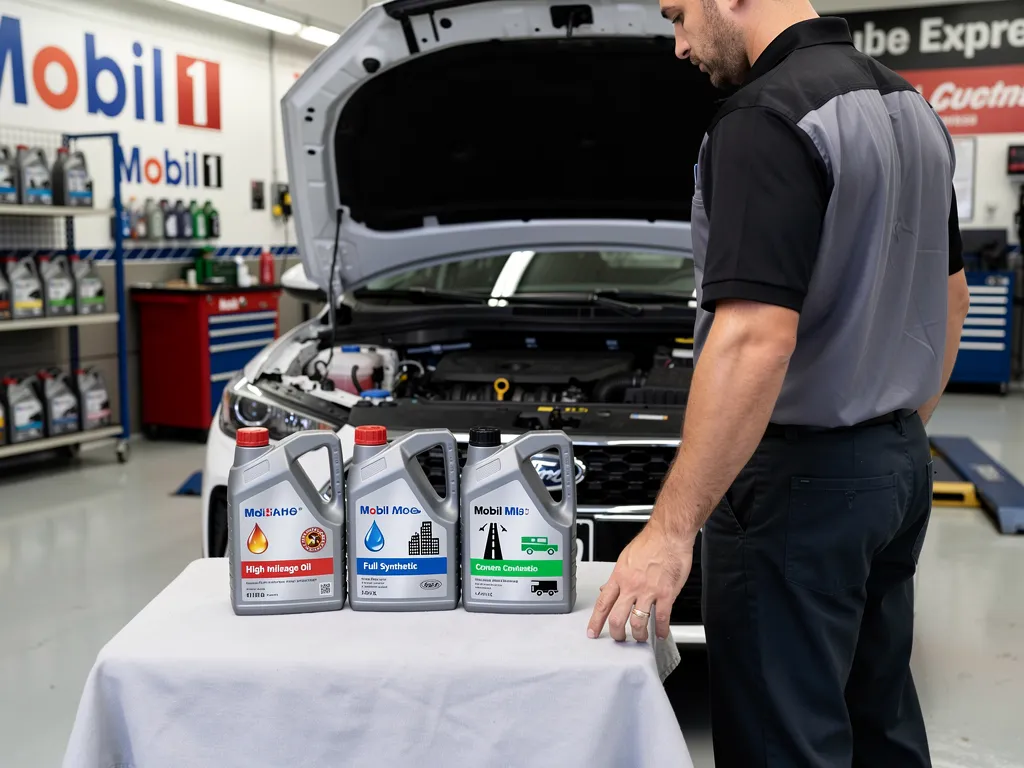
Choosing the best oil for high mileage cars depends on the vehicle and how it’s driven.
- Check the manufacturer’s recommended viscosity. Sticking with the correct weight matters even when switching formulas.
- Consider your driving conditions. Short trips, heavy traffic, and towing increase engine stress. Full synthetic may provide better protection.
- Factor in oil consumption. Engines already burning oil benefit most from the seal-conditioning properties of a dedicated high mileage formula.
- Don’t skip regular intervals. High mileage oil helps protect an aging engine, but it isn’t a substitute for consistent maintenance.
Keep an Aging Engine Running Strong
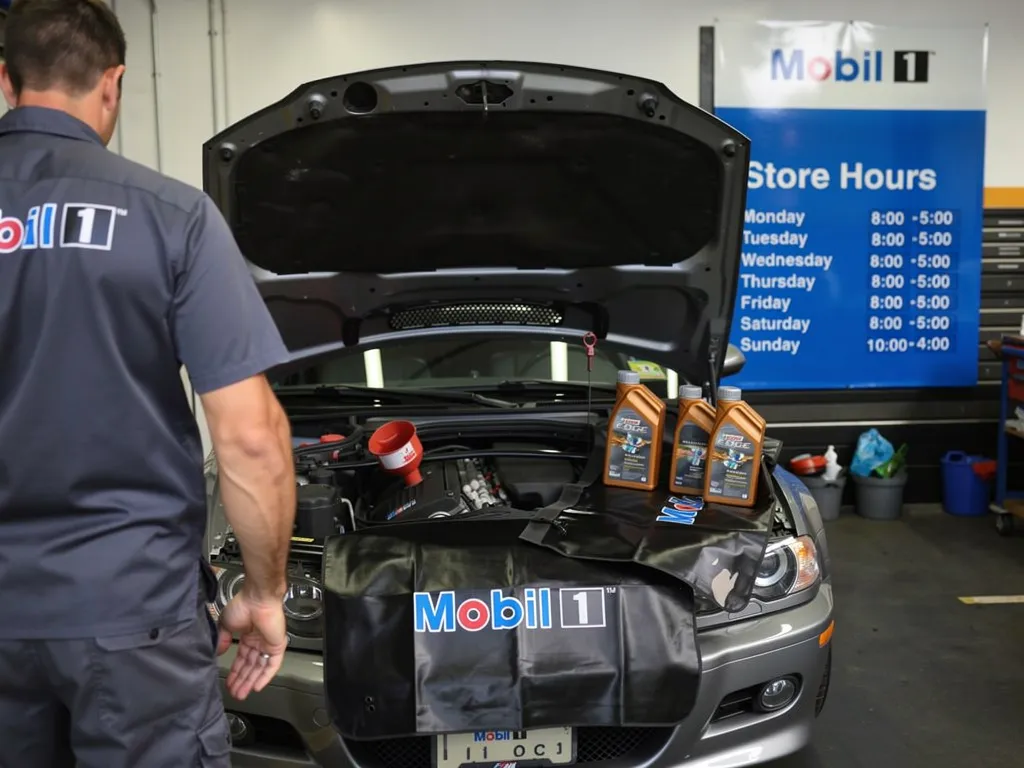
Switching to the right high mileage oil can help protect an aging engine. Both full synthetic and synthetic blends can protect high mileage engines. They may help reduce leaks, wear, and oil consumption.
Frequently Asked Questions
When should I switch to high mileage oil?
Around 75,000 miles is a common point for considering high mileage oil. Watch for increased oil consumption, minor leaks, or startup engine noise. These signs may indicate it’s time to switch.
What makes high mileage oil different from regular motor oil?
High mileage oil contains seal conditioners for aging gaskets and O-rings. These additives may help reduce seepage. It also contains a higher concentration of detergents and anti-wear additives to clean up sludge and protect worn metal surfaces.
Should I choose full synthetic or synthetic blend high mileage oil?
Full synthetic high mileage oil performs well across temperature extremes. It’s also a strong choice for towing and demanding driving. Synthetic blend high mileage oil delivers many of the same wear-fighting benefits at a lower price point, making it a solid middle ground for everyday driving.
Can high mileage oil stop my engine from leaking or burning oil?
High mileage oil can meaningfully reduce minor leaks and oil burn by conditioning seals and cutting down on friction, but it isn’t a cure for significant mechanical wear. It works best as part of consistent, regular oil changes rather than a standalone fix.
Do I need a different oil viscosity when switching to a high mileage formula?
No — you should still stick with the manufacturer’s recommended viscosity for your vehicle. High mileage oil changes the additive package and seal conditioners, not the weight your engine needs.
Conclusion
Crossing 75,000 miles doesn’t mean an engine is in decline. It may simply need oil designed for its age. High mileage oil contains seal conditioners, detergents, and anti-wear additives. These can reduce leaks, control deposits, and protect aging components. Choose an oil that matches your vehicle and driving conditions. Regular oil changes can help an older engine stay reliable for many miles.