

The number of miles between oil changes your engine can safely handle depends on the oil you use, how you drive, and the conditions you drive in. Knowing that number protects your engine and helps your car run better for longer. This article breaks down manufacturer guidance, how different oil types change the schedule, and warning signs that mean you need service sooner. You’ll also find tips on how driving style and local weather in Parsippany, NJ should affect when you change your oil so you can make sensible maintenance choices.
- Manufacturer-recommended oil change intervals usually fall between 3,000 and 10,000 miles, depending on the vehicle and oil.
- Synthetic oils typically let you go 7,500 to 10,000 miles between changes because they hold up better over time.
- Conventional oils usually need changing every 3,000 to 5,000 miles, and harsher driving shortens that window.
- If your oil looks very dark and gritty or the oil warning light comes on, you should change the oil sooner.
- Putting off oil changes lets contaminants build up, increasing wear, friction, and overheating risk.
- Your driving habits—like frequent short trips or heavy city traffic—and the local climate influence how often oil breaks down.
- In Parsippany, NJ, seasonal temperature swings mean you may need to adjust your schedule for winter thickening or summer thinning of oil.
- Checking oil on the dipstick regularly helps you spot trouble before it becomes a major problem.
- Combining the manufacturer’s recommendations with your local conditions gives the best timing for oil changes.
What Are Manufacturer Recommendations for Oil Change Mileage?
Vehicle makers usually give a mileage range instead of a single number for oil changes. These ranges reflect testing on engine designs and expected driving conditions. In practice, recommended intervals span roughly 3,000 to 10,000 miles, with the exact number depending on your car’s make, model, and how you drive it.
How Do Car Makers Define Oil Change Intervals?
Manufacturers set oil change ranges after testing engines with different oil types and operating scenarios. In addition, cars using conventional oil have shorter recommended intervals, while those using synthetic oil have longer intervals because synthetic holds up better against heat and contaminants.
What Recent Updates Affect Oil Change Frequencies?
Improvements in engine engineering and oil formulations have pushed many recommended intervals longer than they used to be. Today, some models—especially those that run synthetic oil—can safely go 7,500 to 10,000 miles between changes. Still, it’s important to follow your owner’s manual and factor in how you use the vehicle.
How Do Different Motor Oil Types Affect Oil Change Frequency?
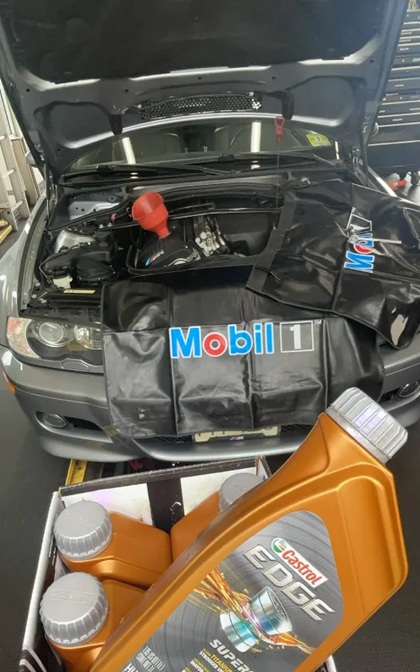
The kind of oil you use has the single biggest effect on your oil change intervals. Conventional, synthetic, and high-mileage oils each behave differently under heat and stress, which changes how long they keep protecting the engine.
| Type of Oil | Mileage Recommendation | Benefits |
| Conventional Oil | 3,000 to 5,000 miles | Widely available and cost-effective for routine use |
| Synthetic Oil | 7,500 to 10,000 miles | Stronger stability across temperatures and longer-lasting protection |
| High Mileage Oil | 5,000 to 7,500 miles | Formulated to help protect older engines and reduce leaks |
What Is the Synthetic Oil Change Mileage Advantage?
Synthetic oils resist breaking down and handle extremes of heat and cold better than conventional oils. If you want a closer look at the benefits of synthetic oil for modern vehicles, that difference comes down to how the base oil is engineered. That means many drivers can stretch changes to 7,500–10,000 miles without compromising protection. The exact interval still depends on your vehicle and driving patterns, but synthetic oil generally offers a longer, more stable service life.
How Does Conventional Oil Compare in Change Schedules?
Conventional oil breaks down sooner under heat and contamination, so it typically requires changes every 3,000–5,000 miles. If you do a lot of stop-and-go driving or operate in dusty or hot conditions, that interval may need to be shorter to avoid excess engine wear.
What Signs Indicate You Need an Oil Change Sooner?
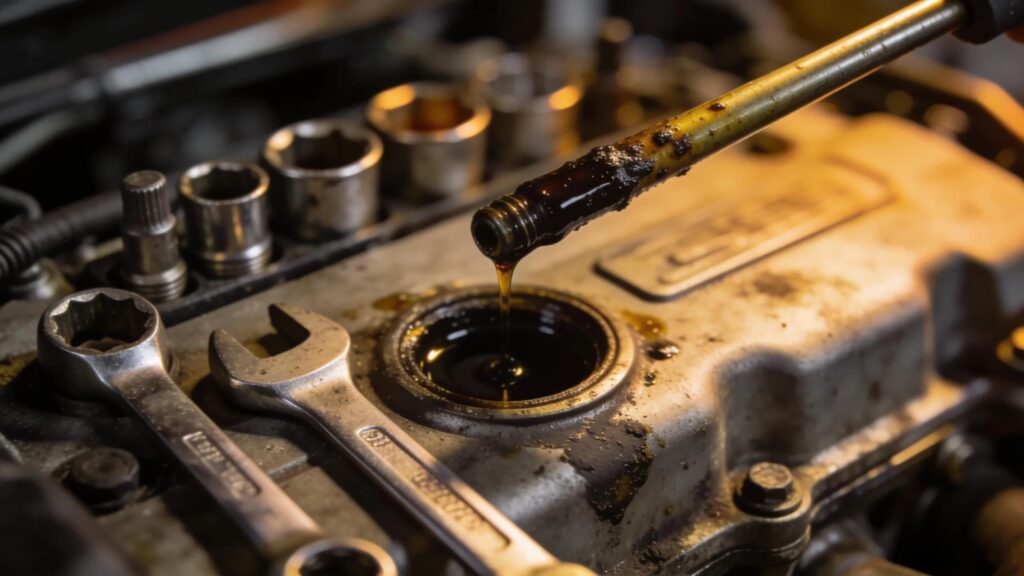
Even if you’re following the recommended mileage, certain signs mean the oil needs changing earlier. Paying attention to these warning signals helps you prevent bigger problems down the road.
Which Engine Oil Maintenance Symptoms Require Immediate Attention?
Watch for oil that looks very dark and gritty on the dipstick, metal particles in the oil, or the oil warning light on your dashboard. Unusual engine noise or a sudden drop in performance can also point to degraded oil that needs changing right away.
How Can Vehicle Owners Monitor Oil Condition Efficiently?
Check the oil with the dipstick every month or before long trips. Wipe it clean, reinsert, and inspect color, texture, and smell. Fresh oil is usually clear and amber; oil that’s dark, thick, or smells off is a sign it’s time for a change.
What Risks Come from Delaying Oil Changes Past Recommended Miles?
Skipping scheduled oil changes raises the risk of increased engine wear and poorer performance. Old oil loses its lubricating power and lets contaminants circulate, which can lead to overheating and part failure.
How Does Delayed Oil Change Cause Engine Wear?
Over time oil picks up dirt, metal shavings, and combustion byproducts. If it isn’t replaced, these contaminants increase friction between moving parts and can cause overheating, accelerated wear, and reduced engine efficiency.
What Are Potential Long-Term Engine Damage Consequences?
Long-term neglect can lead to costly repairs, such as worn bearings, clogged oil passages, or even engine seizure skipping oil changes can lead to expensive repairs that far outweigh the cost of routine service. Regular oil changes are a low-cost way to avoid these major repair bills and keep the engine functioning as intended.
How Do Driving Habits and Environment Affect Oil Change Intervals?
Your driving routine and the roads you use play a major role in how fast oil degrades. Frequent short trips, hard acceleration, towing, and dusty routes all shorten oil life and mean more frequent changes.
Which Driving Conditions Shorten Oil Life?
Stop-and-go commuting, heavy idling, regular short trips, towing, or driving on unpaved roads can all speed up oil breakdown. These conditions let contaminants accumulate and increase temperatures that stress the oil.
How Does Local Parsippany NJ Climate Impact Oil Change Frequency?
Parsippany sees hot summers and cold winters, and those swings affect oil viscosity. In winter, oil thickens and can be slower to circulate; in summer, heat can speed up breakdown. Adjusting your schedule for seasonal extremes helps keep your engine protected year-round.
What Is a Practical Oil Change Schedule for Parsippany NJ Vehicle Owners?
The most reliable oil change intervals come from balancing the manufacturer’s guidance with the conditions you actually drive in. Track mileage, note your typical driving patterns, and set reminders so you don’t miss the window where oil still protects the engine effectively.
How to Plan Miles Between Oil Changes Using Manufacturer Guidance and Real-World Driving
Start with the owner’s manual, then shorten the interval if you drive hard, tow, or spend a lot of time in heavy traffic. Use monthly dipstick checks to confirm oil condition, and set calendar or phone reminders as your next service approaches.
How Can Hogwash Lube Center Help With Timely Oil Change Services?
Hogwash Lube Center helps drivers set realistic oil change intervals, using the right oil for each vehicle and giving clear recommendations based on local driving in Parsippany. They can keep a simple service schedule that matches your mileage and seasonal needs, and remind you when it’s time for the next change.
Frequently Asked Questions
1. How can I tell if my motor oil is still good?
Use the dipstick to check oil color and texture. Fresh oil is usually light amber and smooth. If it looks dark, gritty, or has a strong odor, it likely needs changing. Checking every month helps you catch problems early.
2. Do miles between oil changes differ for gasoline and diesel engines?
Yes. Diesel engines produce more combustion contaminants, so their oil change intervals are usually shorter than those for gasoline engines. Follow your vehicle’s manual for the exact interval and consider driving conditions.
3. Can using synthetic oil affect my vehicle’s warranty?
Using synthetic oil generally won’t void your warranty so long as you use oils that meet the manufacturer’s specifications and keep accurate service records. Check your owner’s manual and keep receipts to show the type of oil used and when it was changed.
4. What should I do if my oil change light comes on?
Check the oil level as soon as possible. If the level is low, top it up and schedule a service. If the level is normal but the light stays on, have the vehicle inspected—ignoring the warning can lead to serious engine damage.
5. Are there benefits to changing oil more frequently than recommended?
Shortening your oil change intervals can help in especially harsh driving conditions—like lots of idling, short trips, extreme temperatures, or heavy towing. It can improve protection and reduce wear, though it may increase maintenance cost, so weigh the trade-off for your situation.
6. How do I dispose of used motor oil properly?
Take used oil to a recycling center or an auto shop that accepts it. The EPA explains how to recycle used motor oil properly and why it should never go down a drain or into the trash. Many service centers will recycle oil for you. Never pour oil down drains or throw it in the trash—used oil can seriously harm the environment.
7. What are the common misconceptions about oil changes?
One common myth is that all cars still need oil changes every 3,000 miles. Many modern engines and synthetic oils allow longer intervals. Another misconception is that all oils perform the same—formulation and quality matter and can change service intervals and engine protection.
Conclusion
Keeping to sensible oil change intervals is one of the simplest ways to protect your engine and avoid expensive repairs. Follow your vehicle’s recommendations, check oil regularly, and factor in local weather and your driving habits when setting a schedule. For help choosing the right oil and staying on track, stop by Hogwash Lube Center or book a service appointment to keep your car running smoothly.
By Louie Paracuelles, Mobil 1 Lube Express