

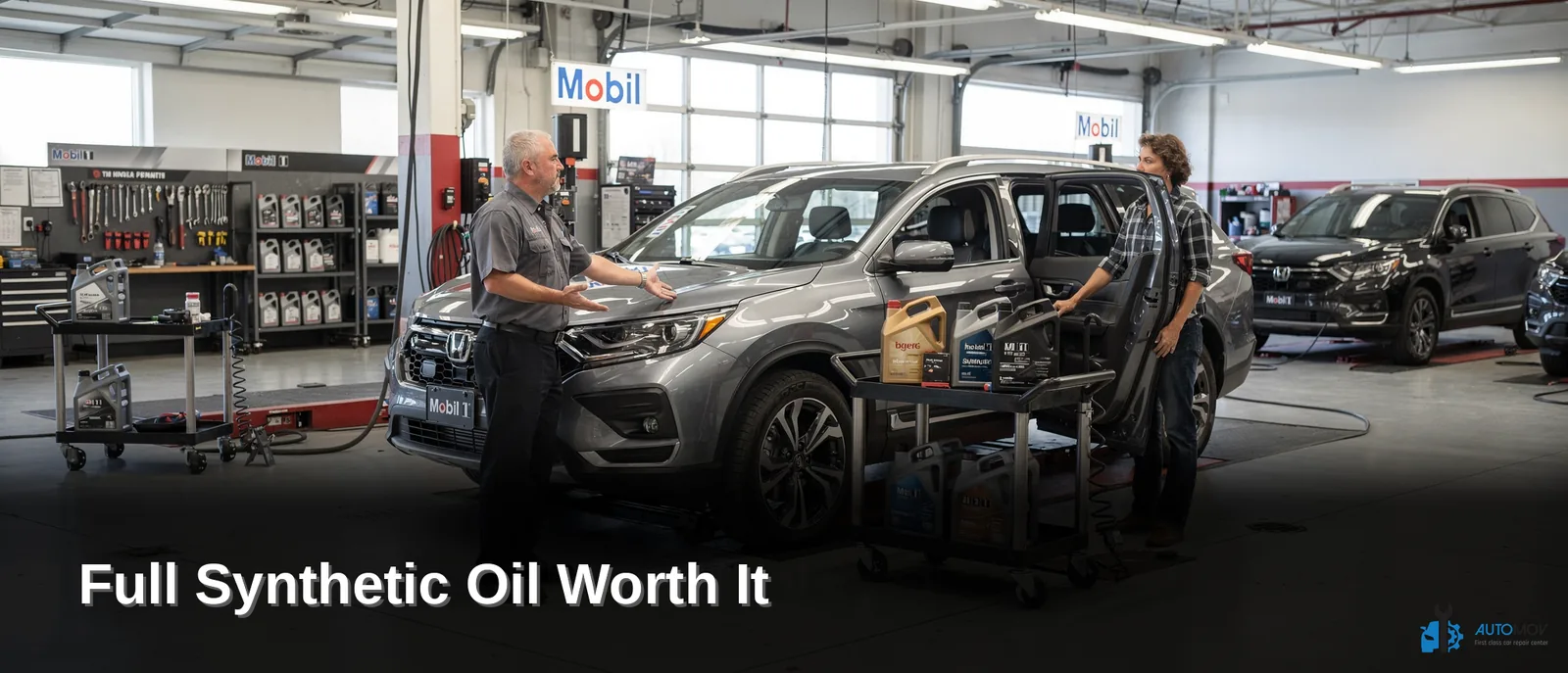
Full synthetic oil is worth the extra cost for most drivers. Mobil 1 Lube Express notes synthetic formulas withstand extreme temperatures, reduce engine wear, and last up to 10,000 miles between changes, cutting long-term maintenance frequency versus conventional oil’s typical 3,000-5,000 mile lifespan.
Engine protection improves with full synthetic oil, especially during cold starts, towing, and stop-and-go traffic, and manufacturers like Subaru and Toyota now recommend it standard. Mobil 1 Lube Express, based in Parsippany, NJ, confirms the extra cost pays off through better high-temperature performance and lower-viscosity flow for tighter engine tolerances.
Full synthetic oil delivers real value for modern engines with tighter clearances, including manufacturer-recommended vehicles like the Subaru Forester and Toyota Camry. Its lower-viscosity formula flows more easily, holds up better under high heat, and protects fast-moving metal parts. Mobil 1 synthetic oil changes at Mobil 1 Lube Express extend engine life. Improve long-term reliability, offsetting the higher upfront price.
- Modern engines like the Toyota Camry and Subaru Forester now require synthetic oil for optimal performance.
- Synthetic oil lasts longer than conventional oil, reducing the frequency of oil changes significantly.
- Tighter engine tolerances in contemporary vehicles demand synthetic oil’s superior lubrication and protection capabilities.
- Synthetic oil provides better engine protection at extreme temperatures compared to conventional mineral-based oils.
Is Full Synthetic Oil Worth It For Your Car?
The value depends on what a vehicle’s engine actually needs and how many miles it covers each year. For many drivers, whether full synthetic oil is worth it comes down to weighing the upfront cost against long-term engine protection. Synthetic oil costs more than conventional oil at every fill-up. That gap adds up over a year of maintenance visits, and it’s a real number to budget for.
The bigger question is whether that extra cost buys something conventional oil cannot. Many mainstream vehicles now answer that question directly. The Subaru Forester and Toyota Camry, among other popular models, list synthetic oil as the manufacturer-recommended lubricant. That’s not a performance-car upgrade anymore; it’s baseline guidance from the automakers themselves.
Does My Car Actually Need Synthetic Oil?
Check the owner’s manual first. If the manufacturer specifies synthetic oil, sticking with conventional oil skips the protection the engine was engineered around, potentially shortening its service life.
Can I Still Choose Conventional Oil?
Some engines run fine on conventional oil, especially older models with wider tolerances. Drivers weighing cost against protection have both paths available.
Mobil 1 Lube Express, located in Parsippany, NJ, gives drivers a place to get direct answers on which oil fits their vehicle. The shop offers synthetic and conventional oil change options. The decision doesn’t have to happen alone at the parts counter. A quick conversation with a technician, paired with a look at the manufacturer’s recommendation, settles the question faster than guesswork:
- Manufacturer requires synthetic: Conventional oil risks skipping engine-designed protection.
- Manufacturer allows either: Cost, mileage, and driving conditions guide the choice.
- Unsure which applies: Mobil 1 Lube Express staff can review the vehicle’s needs on-site.
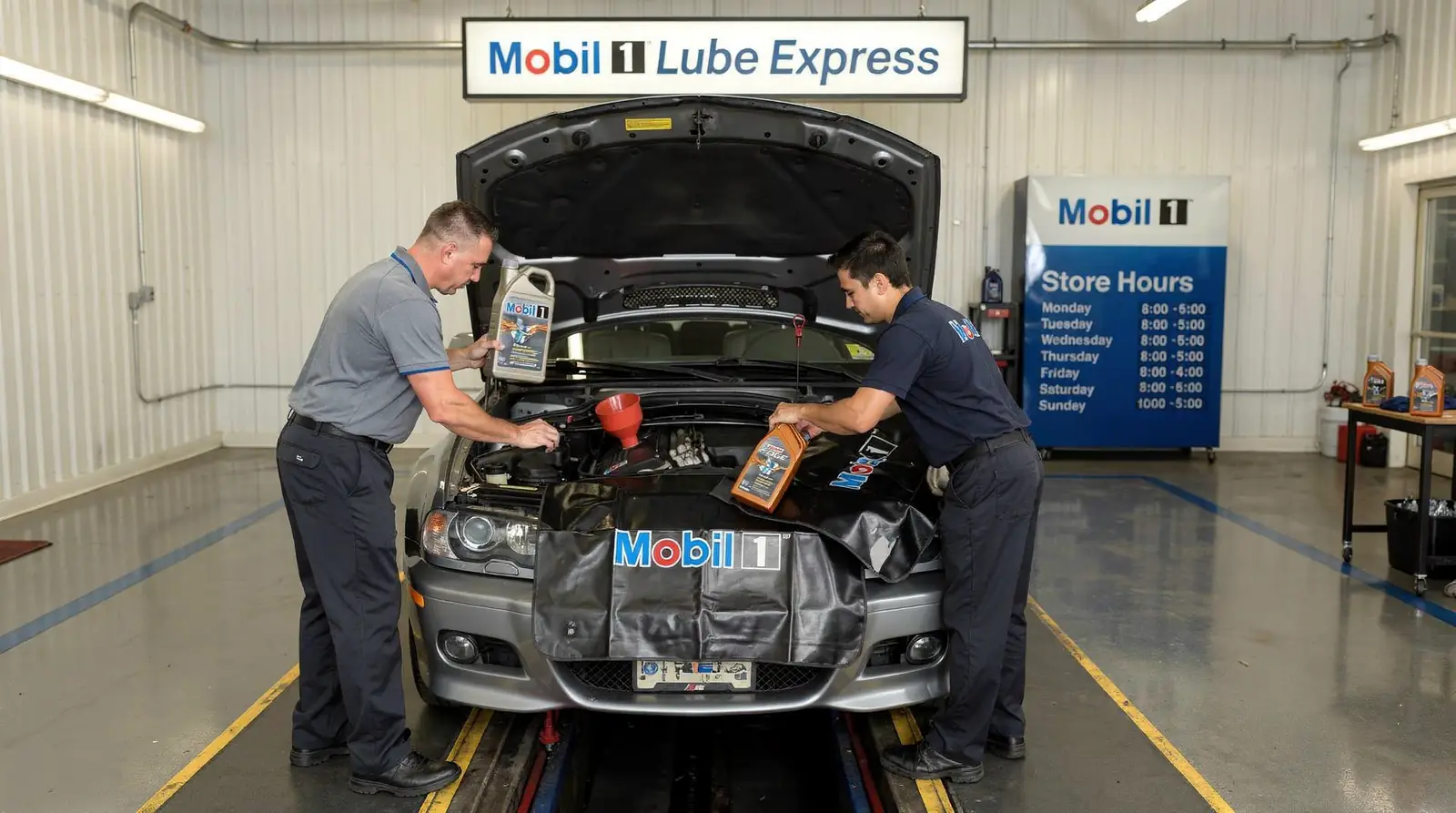
How Does Synthetic Oil Differ From Conventional?
Engine tolerances mark the biggest difference between the two oil types. Modern engines pack their moving parts closer together than older designs, a shift that boosts efficiency but demands thinner, lower-viscosity oil to fill those tighter gaps. Conventional oil, refined more simply from crude, doesn’t always flow with the same consistency under those conditions.
Heat performance separates the two further. At that lower viscosity, full synthetic oil holds its protective qualities better once temperatures climb, resisting breakdown during long highway runs or stop-and-go summer traffic. Conventional oil tends to thin out or lose structure faster under the same heat load, leaving engine parts with less cushioning right when they need it most.
Is full synthetic oil worth the extra cost?
Worth depends on what a driver’s engine actually requires and how the vehicle gets used. Engines built with tighter clearances generally need synthetic oil’s thinner, heat-stable formula to function as designed, making the added cost a functional necessity rather than a luxury upgrade. For older engines with wider tolerances, conventional oil can still do the job adequately.
Mobil 1 Lube Express specializes in synthetic oil changes and fluid services built around this exact tolerance-and-heat equation. Technicians match oil type to what each engine calls for, rather than defaulting to one option for every vehicle.
Conventional vs. Synthetic at a Glance
| Factor | Conventional Oil | Synthetic Oil |
|---|---|---|
| Viscosity fit | Better suited to older, wider-tolerance engines | Matches tighter clearances in modern engines |
| High-heat stability | Breaks down faster under sustained heat | Holds up better as temperatures climb |
| Best used for | Simpler engine designs | Engines built for lower-viscosity performance |
Staying on a preventative maintenance schedule with the correct oil type supports reliability, fuel efficiency, and long-term engine protection over the life of the vehicle.
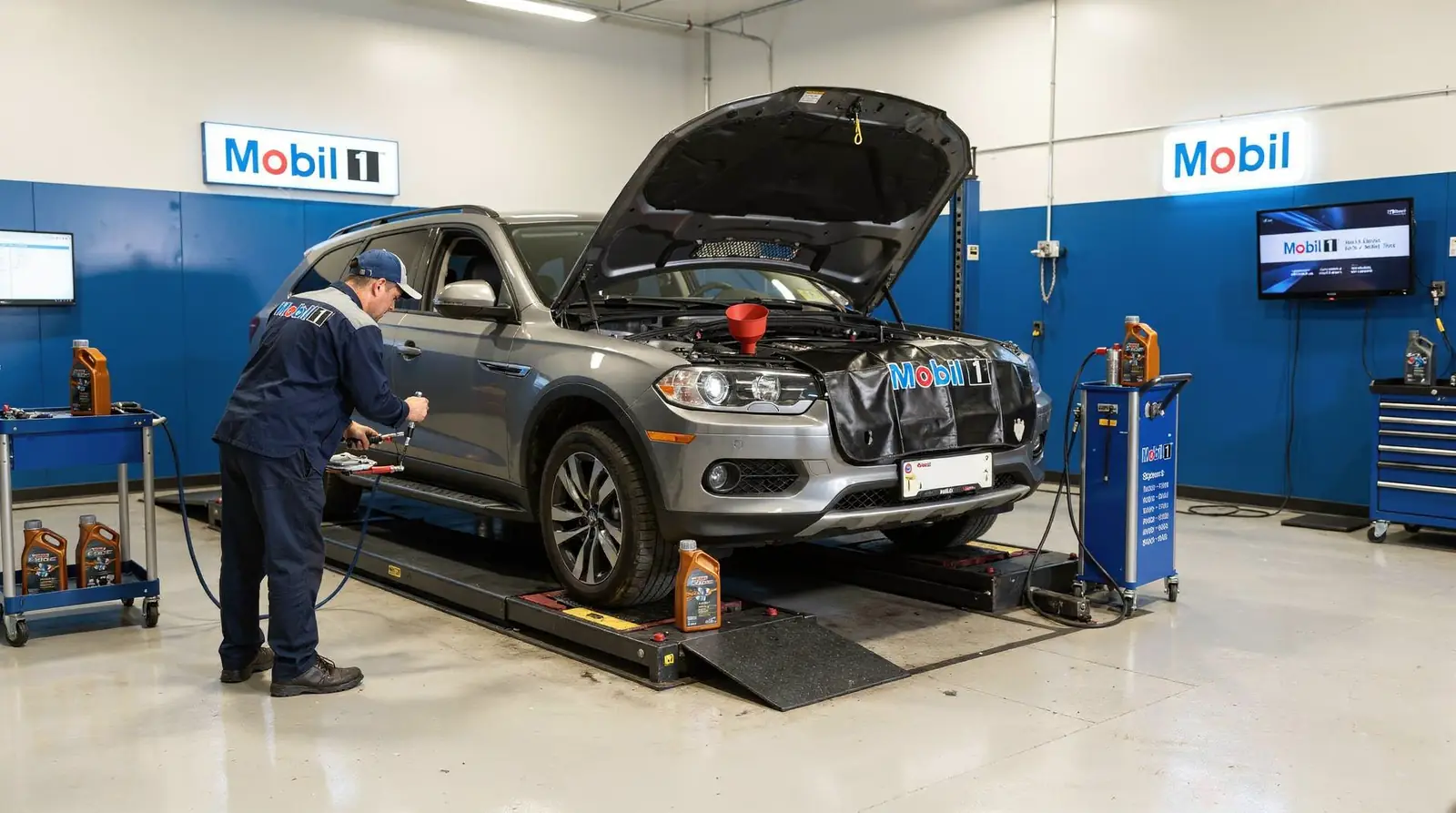
What Extra Protection Does Synthetic Oil Provide?
Engine protection improves measurably when full synthetic oil replaces conventional oil, particularly under demanding driving conditions. Extreme heat, frequent short trips, stop-and-go traffic, and towing all place extra strain on engine components, and synthetic formulas are engineered specifically to hold up under that kind of stress. For drivers asking whether full synthetic oil is worth the investment, the answer often comes down to how and where the vehicle gets driven.
Does synthetic oil actually reduce engine wear?
Yes — many synthetic oil options deliver better cold-start flow than conventional oil, which matters most on cold mornings when engines are most vulnerable. That faster flow reduces friction between metal parts before the engine reaches operating temperature. Combined with improved performance at high temperatures, synthetic formulas translate into measurably reduced engine wear over time.
What makes synthetic oil different in practice?
Synthetic oil resists breakdown longer than conventional oil, maintaining a protective film even when conditions turn harsh. Consider the driving scenarios where this matters most:
- Stop-and-go commuting, where the engine repeatedly heats and cools
- Towing or hauling, which raises operating temperature and load
- Short trips that never let the engine fully warm up
- Extreme summer heat or winter cold snaps
Mobil 1 Lube Express combines Mobil 1 products with technician service focused on this kind of engine protection, matching oil formulation to how a vehicle actually gets driven. That pairing supports the broader goal behind every visit: a consistent maintenance routine. Sticking to a regular schedule translates into measurable gains in reliability. Fuel efficiency, protecting the investment drivers have already made in their vehicles.
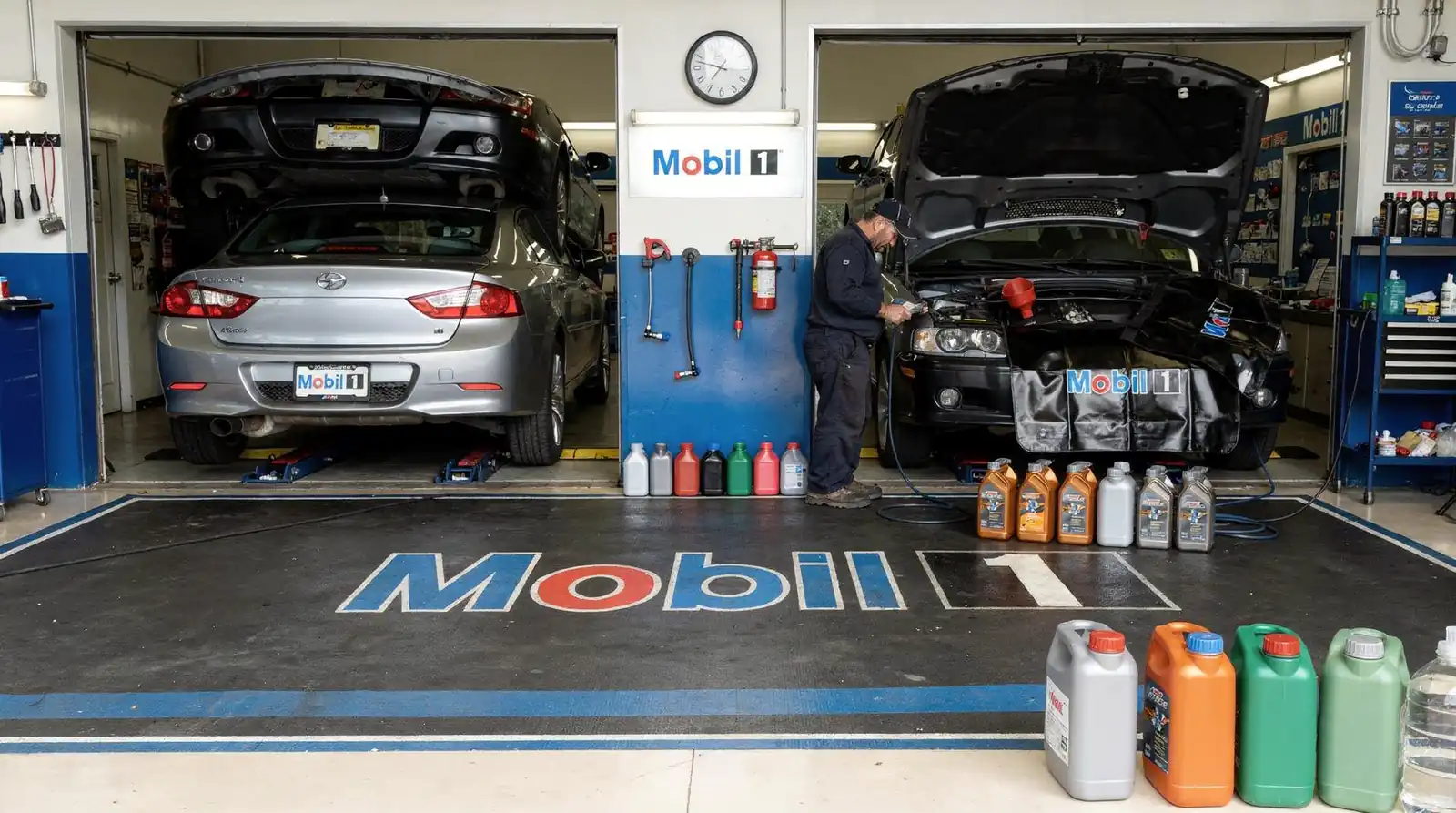
When Does Conventional Oil Still Make Sense?
Conventional oil still fits certain driving habits, budgets, and older engine designs. Short commutes, low-mileage vehicles, and drivers on tighter maintenance budgets often get adequate protection without the added cost of synthetic formulas. For many owners, the real question isn’t whether synthetic is superior on paper. It’s whether is full synthetic oil worth it for their specific vehicle and driving pattern.
Mobil 1 Lube Express keeps turnaround times short enough that choosing conventional oil over synthetic never costs a customer an extra day at the shop. A driver can pull in, get either oil type installed, and get back on Route 46 without rearranging a schedule.
Does a driver need synthetic oil if the car is older?
Older engines built before tighter tolerances became standard sometimes run fine on conventional oil. Technicians at Mobil 1 Lube Express review each vehicle’s mileage, engine condition, and manufacturer guidance before recommending a product. That honest, case-by-case approach means customers aren’t steered toward synthetic oil when conventional oil still does the job.
Is conventional oil available at every location?
Drivers across Parsippany, Morris Plains, Denville, East Hanover, Montville, Rockaway, and Randolph can count on a local option for either oil type. Proximity matters when a maintenance decision needs to happen quickly, without a long drive across Morris County.
Conventional oil tends to make sense in these situations:
- Shorter daily commutes with lighter engine strain
- Older vehicles without manufacturer synthetic requirements
- Budget-conscious maintenance schedules with more frequent oil changes
- Vehicles primarily driven in moderate, non-extreme climates
Mobil 1 Lube Express staff walk customers through these factors before any service begins, prioritizing what the vehicle actually needs over what generates a higher ticket.
How Should You Decide On Oil Type?
Deciding on oil type starts with checking the vehicle’s manufacturer specifications, not guessing at the pump. Skipping that step risks accelerated engine wear, lower fuel efficiency, and warranty complications down the road. Drivers weighing whether full synthetic oil is worth it should look at how their engine is built before looking at the price tag.
Mobil 1 Lube Express positions itself as fast, reliable, professional care for drivers across Morris County and the wider North Jersey region. The shop specializes in Mobil 1 oil change services designed to keep a vehicle running at its best, whether the engine calls for synthetic or conventional oil. Technicians match the service to the car, not the other way around.
Tighter engine tolerances are the real driver behind the synthetic-oil trend. Many modern engines require or recommend full synthetic motor oil because of these tighter clearances and higher performance demands. Older engines with looser tolerances often tolerate conventional oil without issue. Newer models built for efficiency generally need the thinner, more heat-stable formula synthetic oil provides.
Does driving style affect the oil decision?
Yes. Frequent short trips, stop-and-go traffic, and towing all increase stress on engine components. Drivers who spend most of their time in these conditions benefit from oil formulated to hold up under repeated heat cycles.
A quick way to frame the choice:
- Check the owner’s manual first — manufacturer specs override personal preference.
- Consider driving conditions — heavy traffic and towing increase engine strain.
- Factor in engine age — newer designs often need synthetic-grade protection.
Mobil 1 Lube Express technicians can walk drivers through which option fits their vehicle and daily routine.
The decision to invest in full synthetic oil ultimately reflects your commitment to your vehicle’s longevity and performance. While the upfront cost exceeds conventional alternatives, the extended drain intervals, added engine protection, and improved fuel efficiency deliver measurable value over time. At Mobil 1 Lube Express in Parsippany, our technicians help drivers make informed choices based on their specific vehicle needs and driving habits, ensuring your investment protects what matters most—reliable transportation for years to come.
FAQ
Is full synthetic oil worth the extra cost?
Yes—full synthetic oil delivers better high-temperature performance, easier flow through tight engine tolerances, and improved protection during cold starts, towing, and stop-and-go traffic, offsetting its higher price.
Do modern cars require synthetic oil?
Many do. Manufacturers like Subaru and Toyota now list synthetic oil as the standard recommendation for models such as the Forester. Camry, making it baseline guidance rather than an upgrade.
Can I still use conventional oil in my car?
Some engines, especially older models with wider tolerances, run fine on conventional oil. Mobil 1 Lube Express in Parsippany, NJ offers both options and helps drivers determine which fits their vehicle.
Facts
- Mobil 1 Lube Express is located at 1600 US-46, Parsippany, NJ 07054, United States.
- The shop serves drivers throughout Parsippany, Morris Plains, Denville, East Hanover, Montville, Rockaway, and Randolph.
- Mobil 1 Lube Express offers both Mobil 1 full synthetic and conventional oil change services.
- Additional services include transmission fluid services, air filter replacement, wiper blade replacement, battery checks, and tire pressure inspections.
- Drivers can reach Mobil 1 Lube Express directly at +1 (973) 335-3000.
Conclusion
Choosing between full synthetic and conventional oil ultimately comes down to what a vehicle’s engine actually requires and how it’s driven day to day. Modern engines with tighter tolerances, along with manufacturer guidance from brands like Subaru and Toyota, increasingly point toward synthetic oil as the smarter long-term choice, while older engines with wider tolerances can often still get by on conventional oil. The right answer isn’t the same for every driver, which is why checking the owner’s manual and talking through driving habits and mileage matters more than guessing at the pump.
Mobil 1 Lube Express gives drivers across Parsippany and the surrounding Morris County communities a straightforward place to get that guidance, with technicians who match the oil to the vehicle rather than pushing one option for everyone. Whether the decision lands on full synthetic or conventional, a consistent maintenance schedule paired with the right oil type is what keeps an engine running reliably for the long haul.