

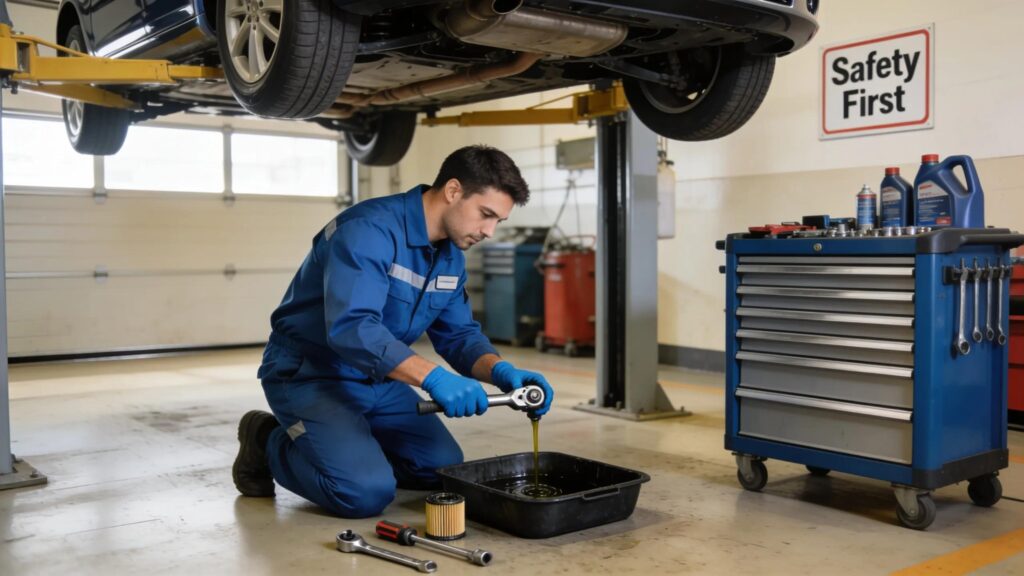
Keeping up with regular maintenance is one of the simplest ways to avoid costly repairs. A proper oil change involves more than swapping the oil. It is a set of checks and procedures that protect the engine and keep your car running smoothly. This guide walks through each step, explains the main oil options, and outlines the signs that it is time for service so you can make confident choices about your vehicle.
We will cover the core stages of a professional oil change, compare synthetic and conventional oils, explain when to schedule service, point out common mistakes to avoid, and highlight safe disposal practices. You will also see what typically happens during a visit to a local shop like Hogwash Lube Center.
- A full oil change includes prep, draining old oil, replacing the oil filter, filling with fresh oil, and a final inspection.
- Draining the old oil removes contaminants that can harm engine parts and reduce performance.
- Swapping the oil filter keeps the new oil clean and helps maintain engine life.
- Synthetic oil resists breakdown and protects better under high heat and heavy use than conventional oil.
- Recommended oil-change intervals depend on your vehicle and the oil used; synthetics generally last longer between services.
- Common errors such as using the wrong oil viscosity or seating the filter poorly can cause leaks and premature wear.
- Proper recycling and disposal of used oil and filters prevent pollution and follow local rules.
- Many service centers include basic vehicle checks during an oil change to catch small problems early.
- Working with a familiar local shop gives you predictable, convenient service tuned to local driving conditions.
What Are the Key Steps in a Professional Oil Change Process?
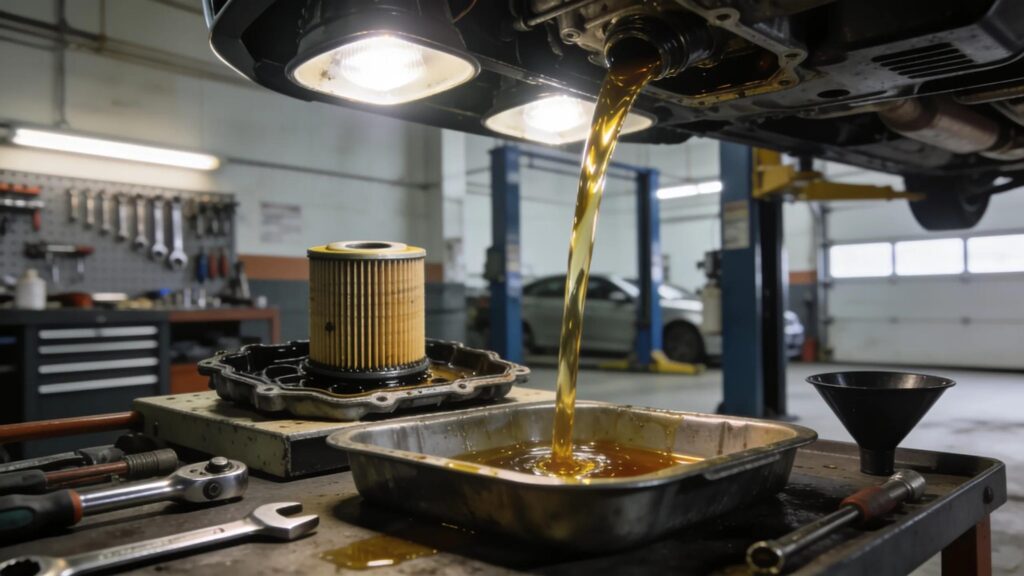
A professional oil change follows a set sequence to protect the engine and keep your vehicle performing as expected. Knowing these steps helps you understand the value of the service.
- Preparation: The technician readies the tools, positions the vehicle, and confirms the correct oil and filter for the make and model.
- Oil Drainage: The technician removes the drain plug and lets the old oil run into a recovery container until the flow stops.
- Oil Filter Replacement: The technician removes the used filter and installs a new one to ensure proper filtration.
- New Oil Addition: The technician adds the correct type and amount of fresh oil according to the manufacturer’s specifications.
- Final Checks: The technician tightens fittings, checks fluid levels, inspects for leaks, and records the service details.
At Hogwash Lube Center, technicians perform each of these steps in sequence so your vehicle leaves ready for the road.
How Is Engine Oil Drained and Replaced During an Oil Change?
Draining old oil is a key part of the job. The technician places a catch pan under the oil pan, loosens the drain plug, and lets the oil flow out until the system is empty. This removes the spent oil and the particles it has picked up while protecting engine components from abrasive debris.
Once the oil has drained, the technician tightens the drain plug to the correct torque and installs a new filter before adding fresh oil. These steps reduce the chance of leaks and help the new oil circulate properly.
Why Is Oil Filter Replacement Essential in Every Oil Change?
The oil filter captures dirt, metal shavings, and other contaminants that collect in engine oil. A fresh filter ensures clean oil reaches engine parts, maintaining proper lubrication and extending component life.
Skipping the filter or reusing an old one can allow trapped contaminants back into the system, increasing friction and accelerating wear over time.
Which Types of Engine Oil Are Used and What Are Their Benefits?
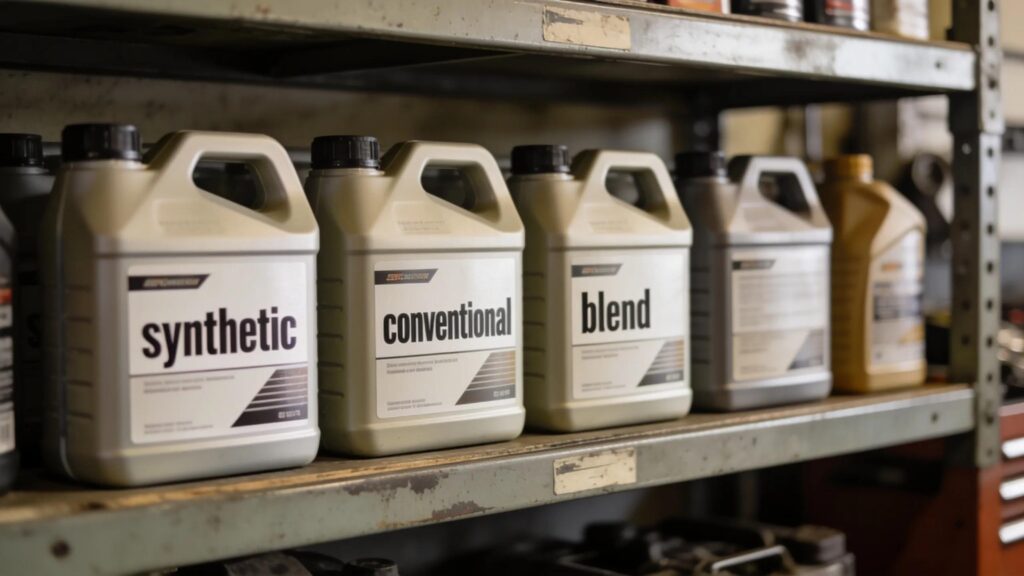
Picking the right oil matters for protection and efficiency. Below are the common oil categories and what they offer.
What Are the Differences Between Synthetic, Conventional, and Blend Oils?
Here’s a quick comparison to help you choose the best option for your driving habits and vehicle needs:
| Oil Type | Characteristics | Benefits |
| Synthetic Oil | Engineered, consistent formulation designed for performance | Better stability at high temperatures and improved protection under stress |
| Conventional Oil | Base mineral oil refined from crude with standard additive packages | Cost effective and suitable for many everyday driving situations |
| Blend Oil | A mix of synthetic and conventional base stocks | A balanced option with improved performance over conventional oil with lower cost than full synthetic |
Synthetic oils generally resist breakdown and keep engines cleaner across a wider range of temperatures. Conventional oil still works well for many vehicles, especially those with lower mileage or light driving routines.
How Does Synthetic Oil Provide Enhanced Engine Protection?
Manufacturers design synthetic formulations to withstand higher heat and shear forces, helping them maintain their lubricating qualities longer than conventional oils. That means steadier protection for bearings and moving parts during hard driving or hot conditions.
Because synthetics usually contain fewer impurities, they can help reduce deposit buildup and may extend the time between oil changes in many cases.
When and How Should You Know It is Time for an Oil Change?
Knowing the right moment to change your oil helps avoid wear and keeps your vehicle dependable.
What Are the Signs and Vehicle Indicators That Signal an Oil Change Is Needed?
Common signals that an oil change is due include:
- Oil Change Light: Many modern cars have a dashboard indicator that signals when service is needed.
- Engine Noise: Louder or unusual engine sounds can mean the oil is no longer protecting moving parts effectively.
- Oil Color: Fresh oil is amber; very dark, gritty oil suggests it is time for a change.
Watching these signs and following the owner’s manual will keep your engine in better shape.
How Do Recommended Oil Change Intervals Vary by Vehicle and Oil Type?
Intervals depend on vehicle design, driving habits, and the oil used. Conventional oil guidelines often fall around 3,000–5,000 miles, while many synthetics can go 7,500–10,000 miles under normal conditions. Check your owner’s manual and adjust for towing, frequent short trips, or extreme temperatures.
Following the manufacturer’s recommendations is the best way to protect your engine and avoid unnecessary service.
What Common Mistakes Should Be Avoided During an Oil Change?
A few simple missteps during an oil change can cause trouble down the road.
What Happens If the Oil Filter Is Not Replaced Properly?
A filter that isn’t seated correctly or is overtightened can leak or allow unfiltered oil to bypass the filter. Either issue reduces the oil’s effectiveness and can lead to increased wear or damage.
Why Is Using the Correct Oil Viscosity Important?
Viscosity describes how thick the oil is and how it flows at different temperatures. Using the wrong viscosity can mean the engine isn’t lubricated properly at startup or during hot operation, increasing friction and component stress. Always match the oil to the vehicle manufacturer’s specs.
How Are Environmental and Safety Practices Included in a Professional Oil Change?
Responsible shops follow procedures that limit environmental impact and protect staff and customers.
What Are the Best Practices for Disposal and Recycling of Used Oil?
Shops should follow proper procedures for the proper recycling of used motor oil and filters to prevent pollution and protect local waterways. Many shops and recycling facilities process old oil for reuse, which keeps it out of landfills and waterways.
How Do Local Regulations Influence Oil Change Service Procedures?
Local rules set standards for handling, storing, and disposing of hazardous materials like used oil. Following those rules protects the community and ensures the shop meets legal requirements.
What Should You Expect During Your Visit to a Local Professional Oil Change Service?
When you visit Hogwash Lube Center for a drive-thru oil change service, a typical visit often includes a few extra checks beyond oil and filter replacement.
What Vehicle Checks and Maintenance Tasks Are Often Included Beyond Oil Replacement?
Technicians commonly inspect air filters, check fluid levels, and recommend additional vehicle maintenance services when they spot visible wear. These quick checks help identify small problems before they grow into larger repairs.
How Does Choosing a Trusted Local Service Benefit Parsippany Drivers?
Working with a neighborhood shop like Hogwash Lube Center means technicians who know local conditions and can offer consistent, familiar service. That familiarity often leads to faster turnarounds and clearer communication about what your vehicle needs.
Frequently Asked Questions
How long does a professional oil change typically take?
Most oil changes take about 30 minutes to an hour. Time depends on the type of oil, whether extra checks are done, and how busy the service bay is. Calling ahead can give a better estimate for your visit.
Can I perform an oil change myself, and what tools would I need?
Yes. Many people change their own oil if they’re comfortable with basic tools and safety steps. You will need an oil filter wrench, a drain pan, a funnel, the right oil and filter, and protective gear like gloves and eye protection. If you’re unsure, a shop can handle the work and ensure the job is done correctly.
What are the costs associated with a professional oil change?
Price varies by oil type and provider. A conventional oil change often runs between $35 and $75, while a synthetic service can fall in the $70 to $150 range. Some shops offer packages that include extra checks, which affects the final price. Compare what’s included when choosing service.
Are there different oil change services available?
Yes. Basic oil changes cover oil and filter replacement. Full service options add inspections of fluids, belts, and hoses. There are also services geared toward high mileage vehicles or that specify synthetic oil. Read the service details so you know what’s included.
Is it necessary to change the oil filter every time I change the oil?
Replacing the filter with each oil change is recommended. The filter captures contaminants and keeps fresh oil clean; reusing an old filter can reduce oil flow and allow debris back into the engine.
How can I tell if a service center is reputable?
Check customer reviews, ratings on Google or similar platforms, and whether the shop explains work and pricing clearly. Ask about warranties on services and look for transparent communication. Recommendations from friends or family can also help.
What should I do with my used oil after an oil change?
Never pour used oil into the trash or down a drain. Take it to a recycling center or a service center that accepts used oil for proper handling. Many auto parts stores and recycling facilities will accept it and arrange for safe processing.
Conclusion
Regular professional oil changes protect your engine, improve performance, and help prevent bigger repairs. A proper service replaces old oil and filters, checks key systems, and leaves your car ready for the road. Schedule your next oil change at Hogwash Lube Center to keep your vehicle running reliably.