

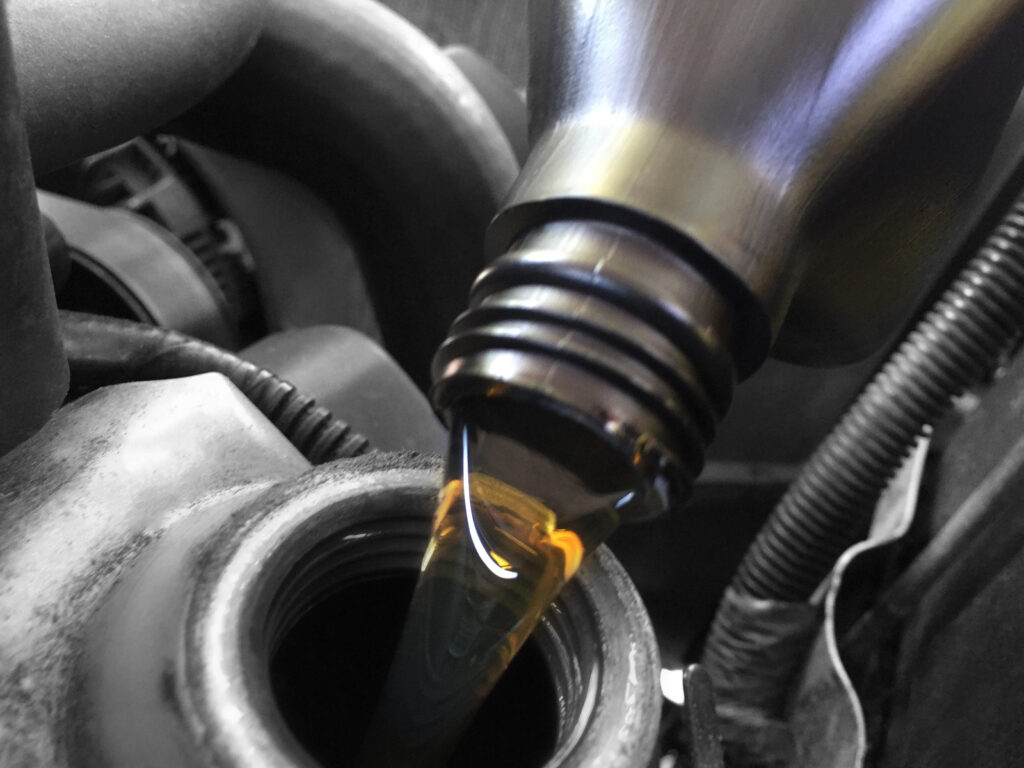
Introduction: A Small Maintenance Task That Can Turn Into a Big Problem
Most drivers know oil changes are important. Yet it’s surprisingly easy to delay one. Life gets busy, the car seems to run fine, and the reminder sticker on the windshield suddenly feels optional.
Skipping an oil change once might not seem like a big deal. But over time, neglected oil maintenance can quietly damage some of the most expensive parts of your vehicle. What starts as a minor delay can eventually lead to costly repairs engine wear, overheating, sludge buildup, or even full engine failure.
Professional mechanics often say the same thing: routine oil changes are the cheapest insurance policy for your engine.
In this guide, we’ll break down exactly why skipping oil changes can lead to expensive repairs, what happens inside your engine when oil breaks down, and how simple maintenance can save thousands of dollars in the long run.
Overview of Engine Oil and Its Role in Your Vehicle
Engine oil does far more than most drivers realize. While many people think its only job is lubrication, it actually performs several critical functions that keep an engine running efficiently.
Key Functions of Engine Oil
1. Lubrication of Engine Components
An engine contains dozens of metal components moving at high speed. Oil forms a protective film between these parts, preventing friction and wear.
2. Heat Regulation
Engine oil helps absorb and transfer heat away from critical components, helping prevent overheating.
3. Cleaning Internal Engine Parts
Modern engine oils contain detergents that help capture dirt, metal particles, and carbon deposits.
4. Preventing Corrosion
Oil protects internal engine surfaces from moisture and oxidation.
5. Sealing Engine Components
It helps create a seal between piston rings and cylinder walls, improving engine compression and efficiency.
When oil is fresh, it performs these tasks efficiently. But over time, oil breaks down, becomes contaminated, and loses its protective properties.
That’s when problems begin.
Why Regular Oil Changes Matter
Routine oil changes are one of the most important forms of preventative maintenance for any vehicle.
Skipping them doesn’t immediately destroy an engine but it starts a chain reaction of mechanical stress.
What Happens When Oil Gets Old
Over time, engine oil experiences several changes:
- Breakdown from heat
- Contamination from combustion particles
- Accumulation of dirt and debris
- Loss of viscosity (thickness)
As oil degrades, it can no longer properly lubricate engine parts.
The result?
Metal components begin rubbing together more aggressively, generating friction and heat.
Eventually, this leads to:
- Premature engine wear
- Reduced fuel efficiency
- Sludge buildup
- Engine overheating
And in severe cases, engine failure.
Common Problems Caused by Skipping Oil Changes
Drivers who ignore oil change intervals often experience a range of mechanical issues. Some appear slowly, while others develop suddenly.
Here are the most common problems mechanics see.
1. Engine Sludge Buildup
When oil becomes dirty and degraded, it thickens into a sticky substance known as engine sludge.
Sludge blocks oil passages and restricts lubrication to critical components.
Symptoms may include:
- Reduced engine performance
- Poor acceleration
- Increased engine noise
- Overheating
In extreme cases, sludge can completely clog oil channels.
2. Increased Engine Wear
Without proper lubrication, engine components grind against each other.
This leads to:
- Worn bearings
- Damaged camshafts
- Scratched cylinder walls
Over time, this internal damage can severely shorten the lifespan of your engine.
3. Engine Overheating
Oil helps dissipate heat inside the engine.
When oil becomes degraded or insufficient, heat builds up quickly.
This can lead to:
- Warped engine components
- Damaged head gaskets
- Cooling system stress
Overheating repairs alone can cost hundreds to thousands of dollars.
4. Reduced Fuel Efficiency
Dirty oil increases internal friction inside the engine.
When friction rises, the engine has to work harder.
The result?
- Increased fuel consumption
- Reduced power output
Drivers often notice they’re filling up the gas tank more often.
5. Complete Engine Failure
The worst-case scenario is total engine failure.
If oil becomes too thick or contaminated, it may stop circulating properly.
Without lubrication, engine parts can seize.
A seized engine often means:
- Full engine replacement
- Repairs costing $3,000–$7,000 or more
All from skipping maintenance that usually costs less than $100.
Expert Tips to Protect Your Engine
Professional mechanics consistently recommend several simple habits to extend engine life.
Follow Your Vehicle’s Oil Change Interval
Most vehicles require oil changes every:
- 3,000–5,000 miles (conventional oil)
- 5,000–7,500 miles (synthetic blend)
- 7,500–10,000 miles (full synthetic)
Always check your vehicle owner’s manual for exact recommendations.
Use the Correct Oil Type
Not all engine oils are the same.
Your vehicle manufacturer recommends a specific oil viscosity such as:
- 5W-30
- 0W-20
- 10W-30
Using the wrong oil can reduce lubrication and efficiency.
Replace the Oil Filter
Oil filters trap contaminants.
If the filter becomes clogged, dirty oil circulates through the engine.
Always replace the oil filter during every oil change.
Pay Attention to Warning Signs
Your vehicle often shows warning signs when oil maintenance is overdue.
Watch for:
- Oil warning lights
- Engine knocking sounds
- Burning oil smell
- Dark, thick oil on the dipstick
Ignoring these symptoms can accelerate engine damage.
Step-by-Step Guide: How to Stay on Top of Oil Changes
Keeping up with oil maintenance is easier than many drivers think.
Here’s a simple system to follow.
Step 1: Know Your Mileage Interval
Check your owner’s manual to determine the recommended oil change frequency.
Step 2: Set Maintenance Reminders
Use one of these simple methods:
- Phone calendar reminders
- Maintenance apps
- Dashboard reminder systems
This prevents forgetting important service intervals.
Step 3: Monitor Oil Levels Monthly
A quick dipstick check takes less than a minute.
Look for:
- Proper oil level
- Dark or thick oil
- Signs of contamination
Step 4: Choose Quality Oil and Filters
Quality oil lasts longer and protects engine components better.
Many modern vehicles benefit from full synthetic oil.
Step 5: Visit a Trusted Service Provider
Professional oil change services typically include:
- Oil replacement
- New oil filter
- Fluid inspection
- Tire pressure check
- Quick vehicle inspection
Regular visits help catch minor problems before they become expensive repairs.
Frequently Asked Questions
1. What happens if you skip an oil change once?
Skipping a single oil change may not immediately damage your engine. However, repeatedly delaying oil changes increases contamination, reduces lubrication, and accelerates engine wear.
2. How long can a car go without an oil change?
Most modern vehicles can safely drive 5,000–10,000 miles between oil changes depending on oil type and driving conditions. Exceeding this interval significantly increases the risk of engine damage.
3. How do I know if my oil needs to be changed?
Common signs include:
- Dark, dirty oil
- Engine noise
- Oil change warning light
- Burning smell from the engine
- Reduced fuel efficiency
4. Is synthetic oil better for engines?
Synthetic oil offers several advantages:
- Better high-temperature stability
- Improved lubrication
- Longer oil change intervals
- Reduced engine wear
Many newer vehicles are designed specifically for synthetic oil.
5. Can skipping oil changes void a vehicle warranty?
Yes. Many vehicle warranties require proof of routine maintenance. Failing to maintain recommended oil change intervals may void warranty coverage for engine repairs.
Final Thoughts: Small Maintenance That Prevents Big Repairs
Oil changes are one of the simplest and most affordable ways to protect your vehicle.
While it might feel harmless to postpone an oil change, the long-term consequences can be severe. Dirty, degraded oil causes friction, heat buildup, sludge formation, and eventually serious engine damage.
The good news is that these problems are completely preventable.
By sticking to a regular oil change schedule, using quality oil and filters, and paying attention to early warning signs, drivers can extend the life of their engines and avoid thousands of dollars in repairs.
In the world of car maintenance, few things deliver a better return on investment than a routine oil change.