

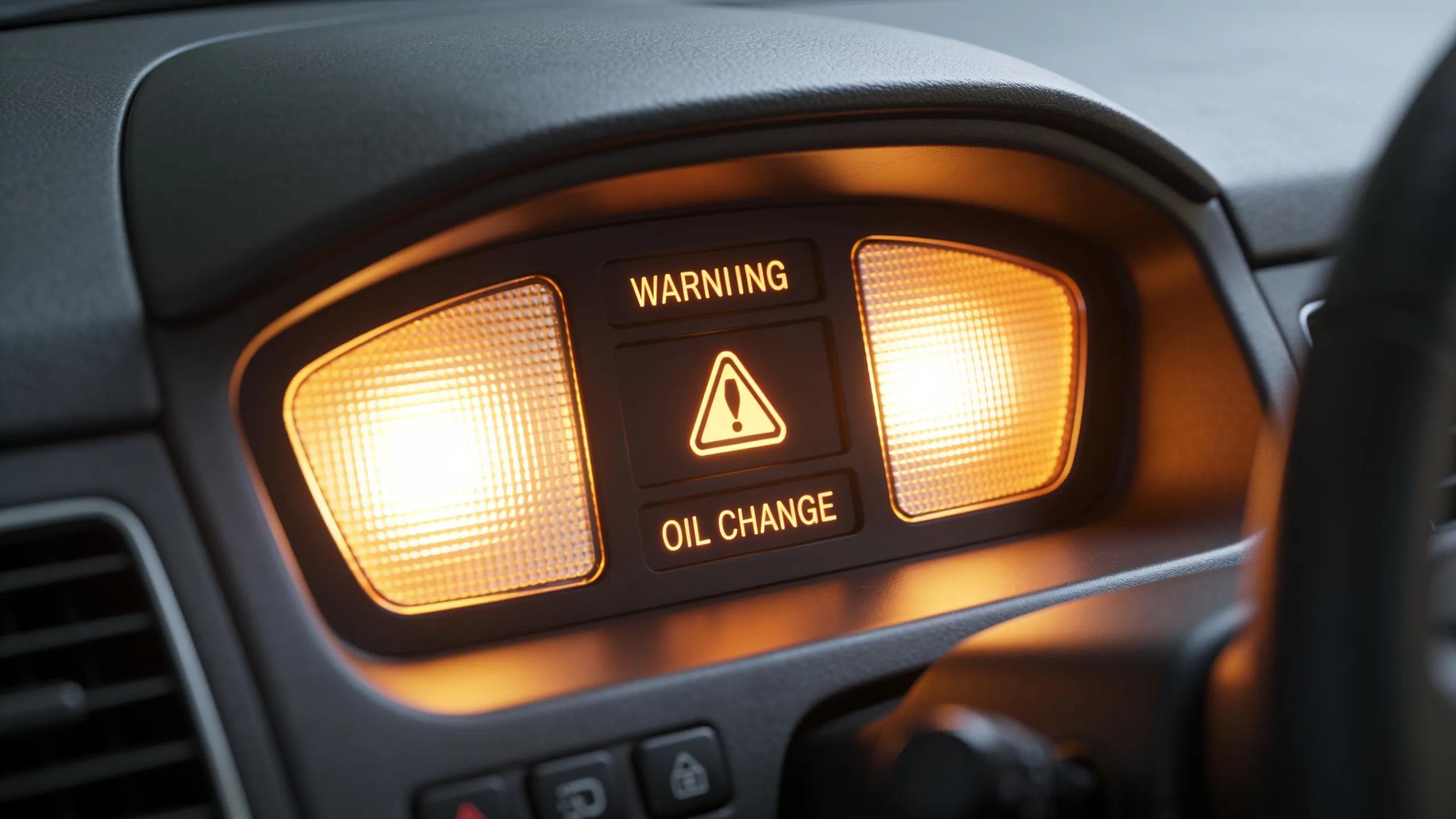
Keeping up with oil changes protects your engine and keeps your car running well. Many drivers miss the signs that an oil change is needed, which can lead to costly problems down the road. This guide explains the common signals that it’s time for fresh oil, how often to change it depending on your driving and oil type, and the practical differences between synthetic and conventional oils. Read on to learn how to avoid common mistakes and how Hogwash Lube Center can help with reminders and quick assessments.
- Dashboard warning lights are a clear prompt to check your oil to avoid engine damage.
- Regularly inspect oil color, texture, and level to judge its condition.
- Typical oil change windows fall between 5,000 and 7,500 miles or about every six months.
- Driving habits and conditions affect how often you should change your oil. Harsh driving conditions may require shorter intervals.
- Synthetic oils generally last longer and provide better protection than conventional oils.
- Follow your vehicle manufacturer’s recommendations for oil type and change intervals.
- Putting off oil changes or ignoring warnings increases engine wear and repair costs.
- Professional inspections can provide a more accurate assessment of oil condition than mileage or dashboard indicators alone.
- Timely oil changes help preserve engine performance and extend vehicle life.
What Are the Clear Signs Your Vehicle Needs an Oil Change?
Spotting the signs of old or low oil early can save you from expensive repairs. Below are the most common cues that an oil change is due:
- Dashboard Warning Lights: Many cars flash an oil-related alert when service is needed. Don’t ignore these. Act promptly to protect the engine.
- Oil Appearance: Dark, dirty, or gritty oil may indicate that it is time for an oil change.
- Vehicle Performance Changes: Rough idling, sluggish acceleration, or unusual engine sounds can indicate poor lubrication.
How Do Dashboard Oil Change Lights and Warning Indicators Signal Oil Status?
Dashboard lights are often your car’s first warning of potential oil-related problems. Depending on the vehicle, these indicators may monitor oil pressure or alert you when a scheduled oil change interval has been reached. Common indicators include:
- Oil Pressure Warning Light: Signals low oil pressure, which may point to leaks or a failing pump.
- Oil Change Reminder Light: Turns on after a set mileage or time since the last service.
These warnings can help you avoid serious engine trouble. When a light comes on, have the vehicle checked instead of waiting.
What Visual and Physical Checks Reveal Oil Condition?
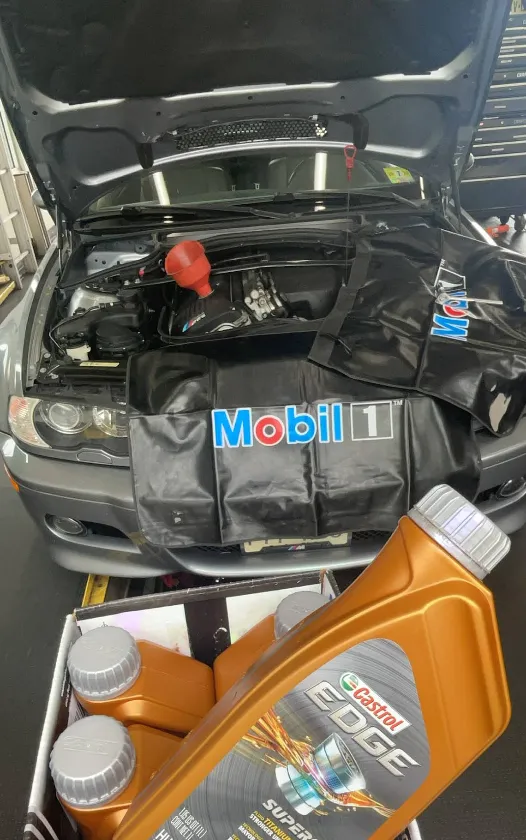
Simple visual and physical checks can tell you a lot about your oil’s condition. Make these part of your routine:
- Color and Texture: Fresh oil is typically amber or light brown. If it appears unusually dark, dirty, or gritty, it may be time for an oil change.
- Oil Level Checks: Use the dipstick to check the oil level. A low oil level may indicate a leak or increased oil consumption.
- Smell and Consistency: A burnt smell or gritty texture may indicate contamination or degraded oil. Have the oil inspected and replaced if necessary.
Regularly performing these checks helps you catch issues before they affect performance or cause damage.
How to Determine Oil Change Intervals Based on Mileage, Time, and Driving Habits?
The right oil change interval depends on mileage, time since the last service, and your driving habits and conditions. Each factor affects how quickly oil breaks down.
What Are the Recommended Oil Change Mileages and Time Frames?
Many manufacturers suggest intervals that fall roughly into these ranges:
- Every 5,000 to 7,500 miles
- Every six months
Check your owner’s manual for the exact guidance for your vehicle model.
How Do Driving Conditions and Patterns Affect Oil Change Frequency?
How and where you drive changes how often oil should be replaced. Think about:
- Frequent Short Trips: Short drives may not warm the engine fully, allowing moisture and fuel to contaminate the oil faster.
- Highway Driving: Long, steady highway trips generally place less stress on engine oil and may allow for longer change intervals, depending on the manufacturer’s recommendations.
- Driving in Extreme Conditions: Heavy traffic, extreme temperatures, or towing can increase engine stress and may require more frequent oil changes.
Match your maintenance schedule to your driving habits and your vehicle manufacturer’s recommendations for the best protection.
What Are the Differences Between Synthetic and Conventional Oils and Their Impact on Change Frequency?
Your choice of oil affects engine protection, performance, and oil change intervals. Here is how the two main types compare.
How Do Synthetic and Conventional Engine Oils Differ in Performance and Longevity?
- Synthetic Oils: Formulated to resist breakdown and provide consistent lubrication under demanding conditions. Depending on the vehicle and manufacturer’s recommendations, synthetic oils may allow for longer intervals between oil changes.
- Conventional Oils: Refined from crude oil, conventional oils may require more frequent changes depending on the vehicle, driving conditions, and manufacturer’s recommendations.
Choose an oil that meets your vehicle manufacturer’s specifications and suits your driving conditions.
What Factors Should Influence Your Choice of Oil Type for Optimal Change Intervals?
When choosing oil, keep these points in mind:
- Vehicle Specifications: Follow the owner’s manual for recommended viscosity and oil type.
- Driving Environment: If you face extreme heat, heavy loads, or lots of stop-and-go traffic, synthetic oil may offer better protection.
- Personal Preferences: Some drivers prefer synthetic oil for its potential for longer intervals and added protection, while others choose conventional oil for its lower upfront cost.
Balance cost, performance, and your vehicle’s needs when deciding.
What Are Common Oil Change Mistakes and How Can You Avoid Them?
Small mistakes with oil changes can lead to big problems. Keep an eye out for these common errors:
- Delaying Oil Changes: Skipping scheduled service lets sludge build up and speeds engine wear.
- Ignoring Dashboard Indicators: If a warning light comes on, do not wait. Have the vehicle checked promptly.
- Not Following Manufacturer Recommendations: Using the wrong oil or interval can harm engine performance and reliability.
Why Is Delaying Oil Changes Risky for Engine Health?
Putting off oil changes lets contaminants and sludge accumulate, which can damage bearings, pistons, and other parts. Long-term neglect may lead to expensive repairs or, in severe cases, engine replacement.
How Can Ignoring Oil Life Indicators or Mileage Recommendations Cause Issues?
Relying solely on outdated mileage rules or ignoring dashboard indicators increases the risk of oil losing its ability to properly protect moving engine parts. This can increase engine wear and the risk of mechanical problems or breakdowns.
How Does Hogwash Lube Center Help Parsippany Vehicle Owners Know When Their Next Oil Change Is Due?
Hogwash Lube Center offers practical services to help Parsippany drivers stay on schedule with oil changes.
What Practical Advice and Reminder Services Does Hogwash Lube Center Provide?
Hogwash Lube Center sends timely reminders and gives straightforward advice about oil changes. They can help track your service history and let you know when your next oil change may be due, helping you stay on top of routine maintenance.
How Do Professionals Assess Your Vehicle’s Oil Life Beyond Mileage and Indicators?
The shop’s team can use visual inspections and vehicle-specific information to assess oil condition beyond mileage alone. This allows them to recommend an appropriate time for your next oil change based on your vehicle, oil condition, and driving habits.
Frequently Asked Questions
What happens if I don’t change my oil regularly?
Skipping oil changes lets the oil lose its lubricating power and allows sludge and debris to build up. That increases wear on engine parts and can lead to expensive repairs or engine failure. Staying on a regular maintenance schedule can help reduce these risks and prevent avoidable repair costs.
Can I change my own oil to save costs?
Yes, changing your own oil can save money if you follow the proper steps and safety precautions. You’ll need the correct oil and filter, the right tools, and a safe place to work. If you are unsure, having the oil changed by a professional can help reduce the risk of mistakes that could damage the engine.
Are there any special considerations for older vehicles regarding oil changes?
Older cars may need more frequent oil changes because of greater wear and possible leaks. Some older engines may require or benefit from specific oil formulations or viscosities recommended by the manufacturer. Talk with a mechanic who knows older models to choose the right oil and schedule.
How can I tell if I need to switch to synthetic oil?
Synthetic oil may be beneficial if you frequently drive in extreme temperatures, tow heavy loads, or operate your vehicle under demanding conditions. Check your owner’s manual and consult a trusted service provider to determine whether switching to synthetic oil is appropriate for your vehicle.
What should I look for when choosing motor oil?
Consider the oil type, whether synthetic or conventional, the manufacturer’s specifications, and your driving conditions. Look for oils that meet API and manufacturer standards, and choose the correct viscosity, such as 5W-30, as specified in your owner’s manual.
How often should I have my oil checked if I don’t drive much?
If you drive infrequently, check the oil about every three months. Even with low mileage, oil can degrade over time and accumulate moisture. Regular checks help avoid problems from long periods of inactivity.
What is the impact of using the wrong oil type?
Using the wrong oil viscosity or type can reduce lubrication, increase engine wear, and potentially contribute to performance problems or overheating. It may also affect warranty coverage in certain situations, so always follow the manufacturer’s specifications. Always follow the oil recommendations in your vehicle’s manual to protect the engine.
Conclusion
Keeping up with oil changes is one of the simplest ways to protect your engine and help extend your vehicle’s lifespan. Watch for dashboard warnings, check oil appearance and level regularly, and follow the service schedule that fits your driving. If you need help staying on schedule, Hogwash Lube Center in Parsippany can provide reminders and practical assessments to help keep your vehicle running reliably.