

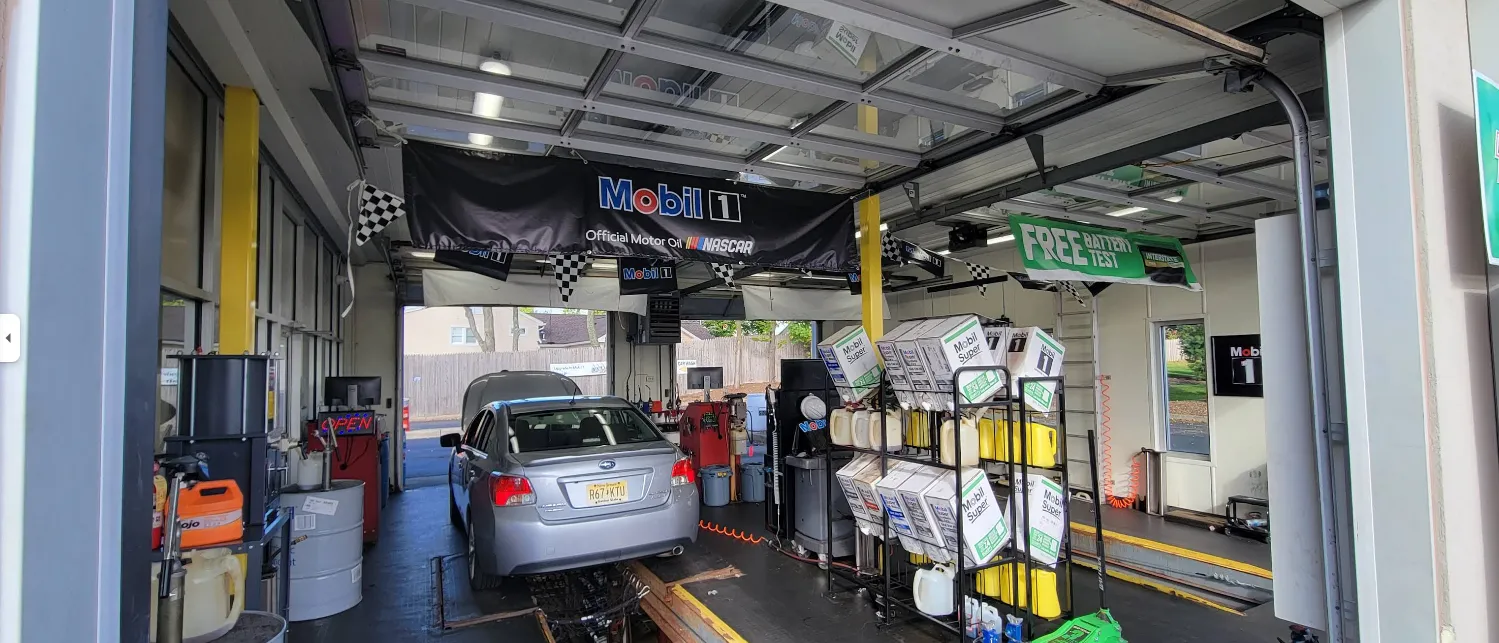
Knowing when to book or when you can just drop in makes routine oil changes less of a hassle. Many drivers aren’t sure if an appointment is required for basic services like an oil change. This guide explains the difference between walk-in service and scheduled appointments, what to expect for wait times, and how to prepare. You’ll learn which oil options are common, how long a stop usually takes, and what works best for different driving habits. By the end, you’ll have practical information to plan your next oil change at Hogwash Lube Center in Parsippany, NJ.
- Hogwash Lube Center in Parsippany, NJ accepts walk-ins for oil changes, appointments aren’t required.
- Walk-ins give you flexibility but can mean longer waits during busy periods, like weekends or late afternoons.
- Recommended intervals: conventional oil every 3,000–5,000 miles; synthetic oil every 7,500–10,000 miles.
- Driving style and conditions, short trips, towing, or extreme weather can shorten how long oil lasts.
- Timely oil changes protect the engine and keep the oil working as intended.
- Bringing vehicle records and ID and knowing what service you want speeds up check-in.
- Choosing the right oil per the manufacturer avoids delays and helps engine performance.
Can I Get an Oil Change Without an Appointment at Hogwash Lube Center?
Yes. Hogwash Lube Center serves walk-in customers for oil changes, so you can stop by when it fits your day. That flexibility is handy if your schedule changes or you spot a maintenance need unexpectedly. Keep in mind that peak times will usually mean longer waits, but staff aim to move vehicles through efficiently.
What Walk-In Oil Change Services Are Available in Parsippany NJ?
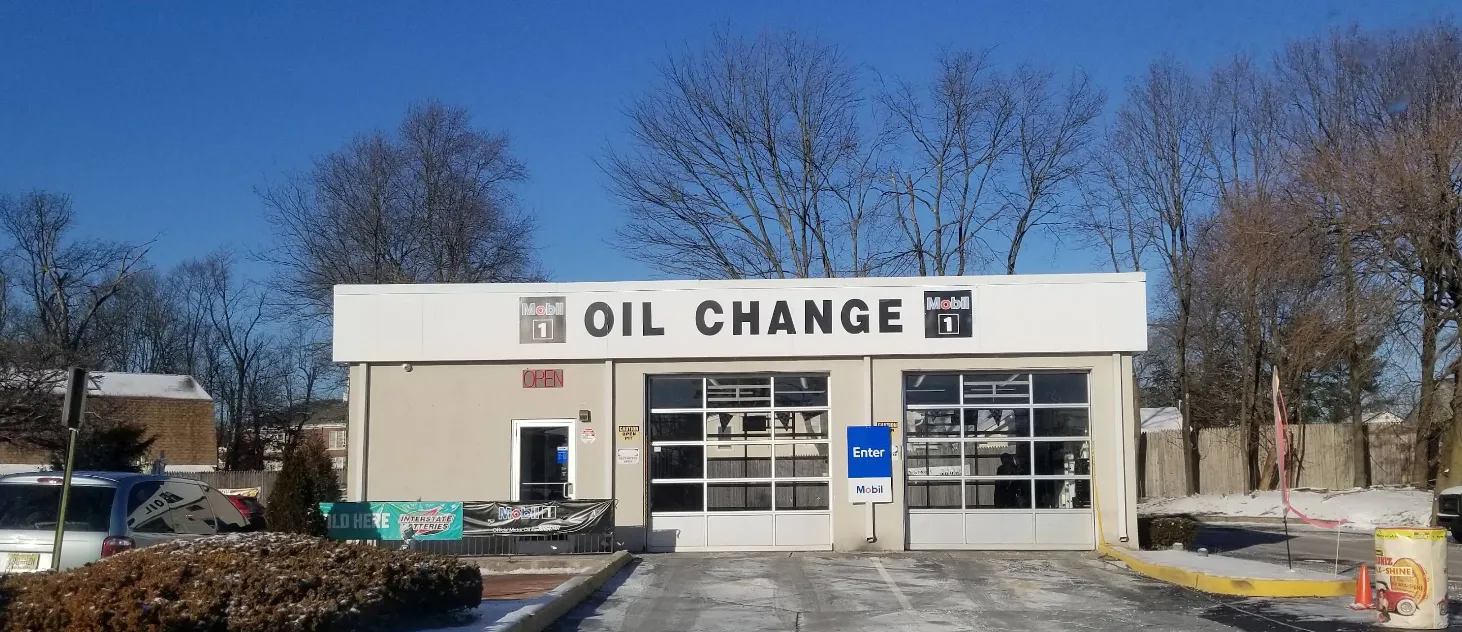
Hogwash Lube Center offers a range of walk-in oil change options, from standard oil changes to services tailored for different makes and models. The goal is to get you back on the road quickly, though busier times can increase wait length. The shop is open Mon-Sat 8 AM-5 PM and closed Sunday. Reword, e.g. “If you’re coming on a Saturday or late in the afternoon, expect to wait longer”
How Does Walk-In Oil Change Scheduling Affect Wait Times?
Choosing a walk-in affects how long you’ll wait. Off-peak hours often mean short waits, while peak windows can push wait time up. The number of cars ahead and the type of service requested also matter. Planning a visit for a weekday morning or early afternoon usually cuts down on wait time.
What Are the Benefits and Downsides of Booking an Oil Change Appointment?
Making an appointment has clear pros and cons. On the plus side, you’ll spend less time waiting and the shop can prepare for your vehicle. On the downside, appointments are less flexible if your plans change suddenly. Weigh how predictable your day is against how important it is to avoid waiting.
How Does Appointment Scheduling Improve the Oil Change Experience?
An appointment reserves a slot for your vehicle, so you typically wait less and receive a more organized check-in. Staff can review the vehicle’s needs ahead of time and have parts or specific oil ready. Many customers find a scheduled time reduces stress around the visit.
What Tradeoffs Should Vehicle Owners Consider Between Walk-In and Appointment?
Walk-ins are great for flexibility and quick needs; appointments are better when you want minimal wait and a set time. If you need an immediate visit, a walk-in may be best. If you’re balancing a tight schedule, booking ahead typically works better.
How Long Does an Oil Change Take and What Wait Times Can I Expect?
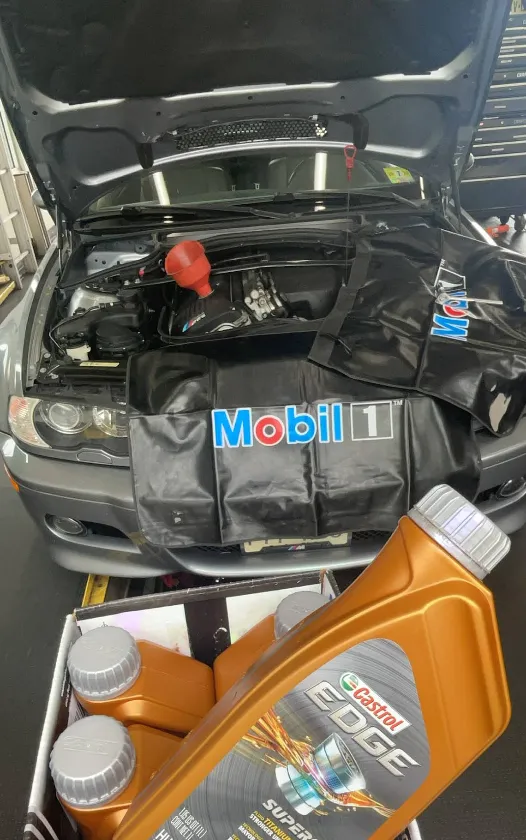
Most oil changes take between 30 minutes and one hour, depending on the specific services and how busy the shop is. Knowing this range helps you plan a visit without surprises.
What Factors Influence Oil Change Duration at Local Service Centers?
Duration depends on the oil type (conventional vs. synthetic), vehicle model, and how many services you add, like filter replacement or fluid checks. Busy times can extend total time because more cars are in line.
How Can Customers Minimize Waiting During Walk-In Oil Changes?
To cut wait time for a walk-in: arrive during quieter hours (weekday mornings or early afternoons), have your vehicle info and ID ready, and know which services you want. A brief call ahead to ask about current wait time can also help you choose when to come in.
How Often Should You Schedule an Oil Change for Your Vehicle?
Keeping to a regular oil change schedule helps the engine run smoothly. Typical guidelines are: conventional oil every 3,000–5,000 miles and synthetic oil every 7,500–10,000 miles. Follow your owner’s manual and consider your driving conditions to find the right interval for your vehicle.
How Do Vehicle Models and Driving Conditions Affect Oil Change Frequency?
High-performance engines, heavy towing, frequent short trips, and extreme temperatures can all require more frequent oil changes. Check your manufacturer’s guidance and adjust intervals if you drive hard or in tough conditions.
What Common Mistakes Should I Avoid When Scheduling an Oil Change?
Certain mistakes can make maintenance less effective or more costly. Being aware of these helps you avoid unnecessary problems.
Why Is Timing Your Oil Change Visit Important?
Timing matters because changing oil too soon wastes service life, while waiting too long risks engine wear. Track your mileage and follow a simple schedule so you don’t fall behind.
How to Choose the Right Oil Type and Prevent Service Delays?
Pick the oil your vehicle manufacturer recommends—check the owner’s manual for viscosity and whether synthetic is suggested. If you know the proper oil ahead of time, the shop can prepare and avoid delays.
How Can I Prepare for My Oil Change Visit to Hogwash Lube Center?
Preparing before you arrive speeds everything up. Bring your vehicle registration, any recent service records, and a photo ID. Tell the staff about any concerns so they can check for related issues. Knowing which oil you want and what services you expect also helps make the visit quicker and smoother.
Frequently Asked Questions
1. What are the signs that my vehicle needs an oil change?
Watch for a glowing “check engine” or oil warning light, oil that looks very dark or gritty, louder engine noise, or lower fuel efficiency. If you’re near or past the recommended mileage for an oil change, schedule one soon to avoid engine problems.
2. Is it better to choose synthetic oil over conventional oil?
Synthetic oil lasts longer and handles high temperatures and stress better than conventional oil, which means fewer changes and stronger protection for some engines. It typically costs more, so weigh the benefits against the price and your vehicle’s needs.
3. How do I know which oil type is best for my vehicle?
Your owner’s manual lists the recommended oil viscosity and whether synthetic is preferred. If you’re unsure, ask the service staff and mention your driving habits so they can suggest the most suitable option.
4. Can I change my oil myself, or should I go to a service center?
You can change oil yourself if you have the tools and confidence. It saves money but requires proper disposal of used oil and attention to steps like torque on drain plugs and correct oil level. A service center is quicker and removes the disposal hassle if you’d rather not do it yourself.
5. What additional services might I consider during my oil change appointment?
Common add-ons include replacing the oil filter, checking and topping fluids (coolant, brake, transmission), rotating tires, and checking brakes. Adding these while your car is already in the shop can be efficient and catch issues early.
6. How should I dispose of old motor oil after an oil change?
Never pour used oil down a drain or in the trash. Take it to a recycling center, an auto parts store that accepts used oil, or a service center that handles disposal. Follow local rules for proper disposal.
7. How does seasonal weather affect oil change frequency?
Extreme heat can speed oil breakdown, while very cold weather can thicken oil. If you regularly face harsh temperatures or drive in stop-and-go traffic, consider shorter intervals and check oil condition more often.
Conclusion
Regular oil changes keep your vehicle running well and help prevent costly repairs. Hogwash Lube Center in Parsippany, NJ offers walk-in service for quick needs and appointments for tighter schedules. Choose the option that fits your day, bring the right documents, and follow your vehicle’s oil recommendations to keep things running smoothly. Stop by or book a time that works for you for your next oil change.