

Introduction
Most drivers know they should get regular oil changes but many still delay them.
Life gets busy, schedules fill up, and it’s easy to think, “I can drive a few more miles before my next oil change.” Unfortunately, that small delay can sometimes lead to big consequences for your vehicle.
Engine oil is the lifeblood of your car. It keeps the engine’s moving parts lubricated, reduces friction, controls heat, and prevents damaging buildup inside the engine. When oil becomes dirty or breaks down over time, it loses its ability to protect those components.
That’s why automotive technicians consistently emphasize one thing above all other maintenance tasks: regular oil changes are the single most important service you can perform for your vehicle.
In this guide, we’ll explain why oil changes matter so much, how they protect your engine, what happens if you skip them, and how to ensure your vehicle stays in peak condition for years to come.
Overview of Oil Changes and Engine Maintenance
To understand why oil changes are essential, it helps to know how your engine operates.
Inside your car’s engine are dozens of moving metal components. Pistons move up and down thousands of times per minute, crankshafts rotate rapidly, and valves open and close constantly to control airflow and fuel combustion.
Without lubrication, these parts would grind against each other and create intense friction and heat.
Engine oil circulates through the engine and performs several important functions:
- Lubricates moving parts
- Reduces friction
- Prevents overheating
- Cleans contaminants and debris
- Protects internal components from corrosion
- Improves engine efficiency
Over time, however, oil gradually becomes contaminated with dirt, metal particles, and combustion byproducts. It also loses viscosity due to heat and oxidation.
An oil change removes old, degraded oil and replaces it with fresh oil that can continue protecting the engine.
Why Oil Changes Matter for Your Vehicle
Many vehicle owners underestimate how much regular oil changes affect overall engine health.
Oil maintenance directly influences the lifespan and performance of your engine.
Prevents Engine Wear
Fresh engine oil forms a protective film between moving metal parts.
This layer prevents surfaces from rubbing directly against each other, reducing wear and tear.
Keeps the Engine Clean
Engine oil collects dirt, carbon deposits, and microscopic debris produced during combustion.
Without oil changes, these contaminants accumulate and form sludge that restricts oil flow.
Helps Regulate Engine Temperature
Engines generate extreme heat while running.
Oil absorbs and disperses some of this heat, helping maintain safe operating temperatures.
Improves Fuel Efficiency
When engine components move smoothly with proper lubrication, the engine operates more efficiently and consumes less fuel.
Extends Engine Lifespan
Vehicles that receive regular oil changes tend to last significantly longer than those that do not.
Consistent maintenance protects critical components such as pistons, bearings, and camshafts.
Common Problems Caused by Skipping Oil Changes
Neglecting oil changes is one of the most common causes of engine problems.
Over time, old oil loses its ability to perform essential functions.
Sludge Formation
Dirty oil can thicken and form sludge inside the engine.
Sludge restricts oil flow and prevents proper lubrication.
Engine Overheating
Old oil cannot effectively dissipate heat.
This can cause engine temperatures to rise and lead to overheating.
Increased Engine Friction
As oil degrades, it becomes less effective at reducing friction.
Metal components may begin to grind against each other.
Reduced Engine Performance
Vehicles may experience:
- Reduced acceleration
- Rough engine operation
- Poor fuel economy
Engine Failure
In severe cases, lack of lubrication can cause catastrophic engine damage that requires expensive repairs or full engine replacement.
Expert Tips for Proper Oil Change Maintenance
Automotive professionals recommend several best practices to maintain engine health through regular oil service.
Follow Manufacturer Recommendations
Every vehicle has recommended oil change intervals provided in the owner’s manual.
These intervals depend on factors such as:
- Engine design
- Oil type
- Driving conditions
Choose the Right Oil Type
Common oil options include:
- Conventional oil
- Synthetic oil
- Synthetic blend oil
- High-mileage oil
Synthetic oils generally offer better performance in extreme temperatures and longer-lasting protection.
Replace the Oil Filter
Oil filters trap contaminants circulating through the engine.
Replacing the filter during every oil change ensures clean oil continues to flow properly.
Monitor Oil Levels
Checking oil levels regularly can help identify leaks or excessive oil consumption.
Low oil levels can cause serious engine damage.
Don’t Ignore Warning Signs
If you notice symptoms such as engine knocking, oil warning lights, or unusual engine noise, schedule an inspection immediately.
Step-by-Step Guide to Getting an Oil Change
Oil changes are one of the simplest maintenance services but they follow an important process.
Step 1: Drain the Old Oil
The technician removes the oil drain plug beneath the engine and allows the old oil to flow into a collection container.
This removes contaminated oil from the engine.
Step 2: Remove the Old Oil Filter
The oil filter is removed and replaced with a new one.
Old filters can become clogged with debris and reduce oil circulation.
Step 3: Install a New Oil Filter
A new filter ensures that fresh oil remains free of contaminants.
Step 4: Add Fresh Engine Oil
The correct amount and type of oil are added to the engine according to manufacturer specifications.
Step 5: Check Oil Levels and Inspect for Leaks
The technician verifies that the oil level is correct and ensures there are no leaks or issues with the oil system.
Frequently Asked Questions
How often should I change my oil?
Most modern vehicles require oil changes every 5,000 to 10,000 miles, depending on the oil type and manufacturer recommendations.
Is synthetic oil better than conventional oil?
Synthetic oil typically provides better protection, longer service intervals, and improved performance in extreme temperatures.
What happens if I delay an oil change?
Delaying oil changes can lead to sludge buildup, increased engine wear, overheating, and reduced engine lifespan.
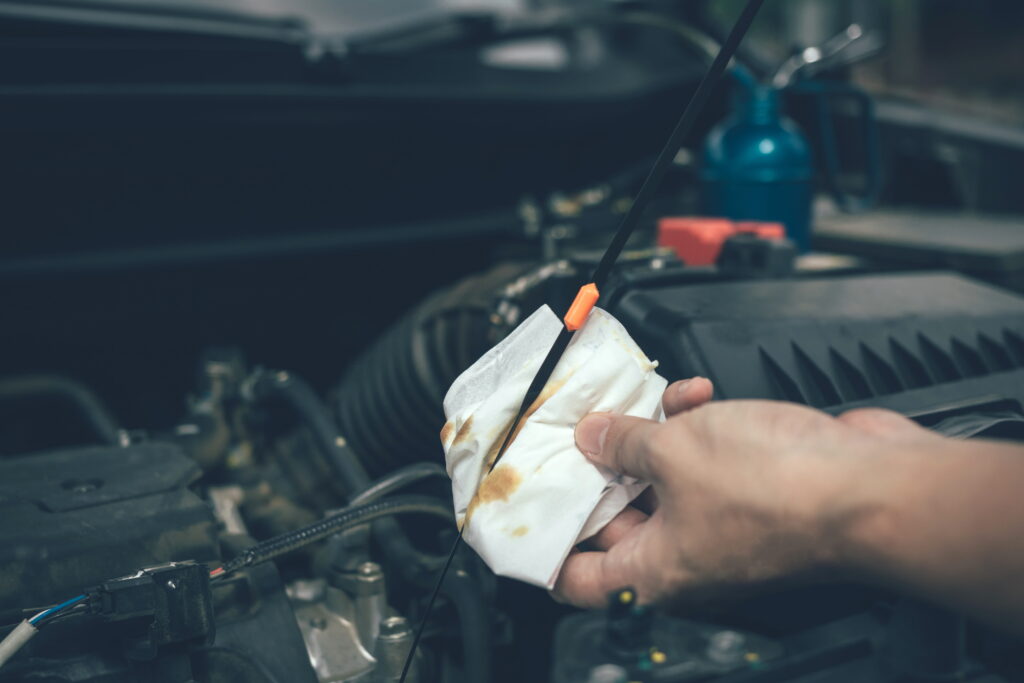
Can I check my engine oil at home?
Yes. Using the dipstick under the hood, drivers can easily check oil levels and condition.
Why does my car consume oil between changes?
Some engines naturally consume small amounts of oil over time, especially high-mileage vehicles.
However, excessive oil loss may indicate leaks or mechanical issues.
Final Thoughts
Regular oil changes may seem like a simple routine maintenance task, but they play a critical role in protecting your vehicle.
By lubricating moving parts, controlling engine temperature, and removing harmful contaminants, engine oil helps ensure that your car operates efficiently and reliably.
Skipping oil changes might save time in the short term, but it often leads to costly repairs down the road.
By following recommended oil change intervals and maintaining proper oil levels, drivers can extend the life of their engine and keep their vehicle performing at its best for many years.
In the world of automotive maintenance, few services deliver as much value as a simple oil change.