

Introduction
Most drivers rarely think about their engine oil until a dashboard light appears or a sticker on the windshield reminds them that service is due. Yet this simple fluid plays one of the most important roles in the health of your vehicle.
Inside your engine, metal components move thousands of times per minute while temperatures climb well above 200 degrees Fahrenheit. Without proper lubrication, those parts would quickly overheat and wear out.
That is where professional oil change services come in.
While changing engine oil may sound like a routine task, professional service ensures the job is done correctly, using the right oil, proper procedures, and careful inspections that protect the engine over time.
In this guide, we will explore how professional oil change services protect your engine, why they are essential for vehicle longevity, and how drivers can ensure they receive high-quality maintenance that keeps their car running smoothly.
Overview of Professional Oil Change Services
A professional oil change involves much more than simply draining old oil and adding new fluid.
Trained technicians follow a structured process designed to maintain engine health and ensure the lubrication system functions properly.
A typical professional oil change service includes several steps:
- Draining contaminated engine oil
- Installing a new oil filter
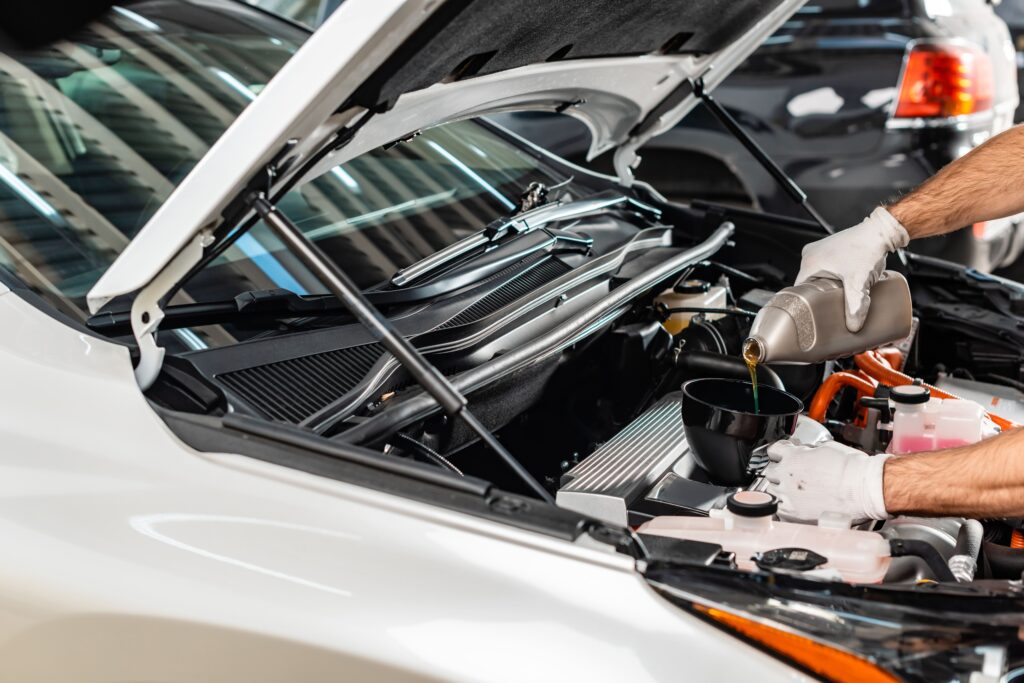
- Refilling the engine with fresh oil
- Checking fluid levels
- Performing basic vehicle inspections
Each step contributes to maintaining the engine’s efficiency and preventing long-term damage.
Removing Contaminated Oil
Engine oil gradually becomes contaminated with debris, combustion byproducts, and microscopic metal particles from engine wear.
Professional technicians drain the old oil completely to remove these contaminants and restore proper lubrication.
Replacing the Oil Filter
The oil filter captures debris circulating through the engine.
Over time, the filter becomes clogged and less effective. Replacing it during each oil change ensures that fresh oil remains clean and free of harmful particles.
Adding Fresh Oil
After draining the old oil and installing a new filter, technicians refill the engine with fresh motor oil that meets manufacturer specifications.
Common oil types include:
- Full synthetic oil
- Synthetic blend oil
- High mileage oil
- Conventional oil
Choosing the correct oil type ensures optimal engine protection and performance.
Why Professional Oil Change Services Matter
Many drivers understand that oil changes are important, but they may not fully appreciate how professional maintenance protects the engine.
Preventing Engine Wear
Inside the engine, components such as pistons, camshafts, and crankshafts operate under intense pressure and friction.
Engine oil forms a thin protective layer that separates these metal surfaces and reduces friction.
Fresh oil ensures that this protective barrier remains effective.
Controlling Engine Temperature
Engine oil also helps regulate heat by absorbing and distributing thermal energy away from critical components.
Without proper lubrication, excessive heat could damage engine parts and lead to mechanical failure.
Keeping the Engine Clean
Modern motor oils contain detergents that help suspend contaminants until they are removed during an oil change.
Professional oil changes remove contaminated oil before sludge and deposits begin forming inside the engine.
Supporting Long-Term Engine Reliability
Engines that receive regular professional oil changes often last significantly longer than those with inconsistent maintenance.
Routine service helps maintain internal components and prevents avoidable damage.
Common Problems Drivers Experience Without Proper Oil Maintenance
Neglecting oil changes or relying on poor-quality service can lead to several serious engine problems.
Engine Sludge Buildup
When oil breaks down and accumulates contaminants, it can form thick sludge.
This sludge restricts oil flow and prevents proper lubrication.
Increased Engine Friction
Old or degraded oil loses its lubricating properties.
Without adequate lubrication, metal components inside the engine begin to rub against each other, increasing wear and reducing engine lifespan.
Overheating
Oil plays an important role in regulating engine temperature.
When oil becomes contaminated or insufficient, the engine may run hotter than normal.
Reduced Performance
Engines operating with degraded oil often experience reduced efficiency.
Drivers may notice:
- Sluggish acceleration
- Increased engine noise
- Reduced fuel economy
These issues often improve after proper oil maintenance.
Expert Tips for Protecting Your Engine With Professional Oil Changes
Drivers can take several steps to ensure their vehicle receives the protection it needs.
Follow Recommended Oil Change Intervals
Most vehicles require oil changes every 5,000 to 10,000 miles, depending on the oil type and driving conditions.
Following manufacturer recommendations helps prevent oil degradation.
Use the Correct Oil Type
Every engine is designed to operate with specific oil viscosity and formulation.
Using the wrong oil may reduce lubrication efficiency or increase engine wear.
Always consult the owner’s manual.
Replace the Oil Filter
The oil filter captures contaminants circulating through the engine.
Replacing the filter during every oil change ensures that fresh oil remains clean.
Pay Attention to Warning Signs
Drivers should watch for symptoms that may indicate oil-related problems:
- Oil warning lights
- Engine knocking sounds
- Burning oil smells
- Decreased fuel efficiency
Addressing these signs early can prevent more serious issues.
Step-by-Step Guide to Professional Oil Change Protection
Understanding the oil change process helps drivers appreciate how each step protects the engine.
Step 1 Vehicle Inspection
Technicians verify the vehicle’s specifications and recommended oil type.
Step 2 Draining Old Oil
The contaminated oil is removed completely to eliminate debris and degraded fluid.
Step 3 Installing a New Filter
A fresh oil filter is installed to ensure clean oil circulation.
Step 4 Adding Fresh Oil
The engine is refilled with the correct oil type and quantity.
Step 5 Final System Check
Technicians verify oil levels and perform basic vehicle inspections before completing the service.
Frequently Asked Questions
1 How often should I get a professional oil change?
Most vehicles require oil changes every 5,000 to 10,000 miles, depending on oil type and driving conditions.
2 Is synthetic oil better for engine protection?
Synthetic oil often provides better performance under extreme temperatures and can last longer between oil changes.
3 What happens if I skip oil changes?
Skipping oil changes can lead to sludge buildup, increased engine wear, and potentially severe engine damage.
4 Can I check my engine oil myself?
Yes. Drivers can use the dipstick to check oil levels and condition between service visits.
5 Does regular oil maintenance improve engine life?
Yes. Engines that receive consistent oil maintenance often last significantly longer and experience fewer mechanical problems.
Final Thoughts
Professional oil change services are one of the most effective ways to protect your engine and maintain long-term vehicle reliability.
By removing contaminated oil, replacing the filter, and adding fresh high-quality motor oil, technicians help ensure that internal engine components remain properly lubricated and protected.
Drivers who follow recommended maintenance schedules and choose reputable service providers often experience smoother performance, improved efficiency, and fewer costly repairs.
A simple oil change may seem like a small task, but it plays a powerful role in keeping your engine healthy and your vehicle ready for the road ahead.