

Introduction: The Small Part That Saves Your Engine
When most drivers think about engine maintenance, the first thing that comes to mind is the oil change. Motor oil gets a lot of attention because it lubricates the engine and helps keep everything running smoothly. But there’s another component that plays an equally important role in protecting your engine, and it often gets overlooked: the oil filter.
Inside your engine, oil constantly circulates through dozens of moving parts. As it moves, it picks up dirt, microscopic metal fragments, combustion residue, and other contaminants. Without a filter, these particles would continue circulating through the engine, gradually causing wear and damage.
That’s where the oil filter comes in.
The oil filter acts like a gatekeeper, trapping harmful particles before they can damage critical engine components. When it works properly, it helps extend engine life, improve performance, and maintain clean oil circulation.
In this guide, we’ll explore how oil filters protect your engine from damage, why replacing them regularly matters, and how drivers can ensure their vehicle’s lubrication system stays in top condition.
What Is an Oil Filter and What Does It Do?
An oil filter is a component of your vehicle’s lubrication system designed to remove contaminants from engine oil before the oil circulates through the engine again.
Every time the engine runs, oil flows through internal passages to lubricate moving parts. During this process, oil picks up various types of debris such as:
- Dirt and dust
- Metal particles from engine wear
- Carbon deposits from combustion
- Sludge and other contaminants
If these particles continue circulating, they can cause internal damage to engine components.
The oil filter removes these contaminants and ensures that only clean oil reaches critical engine parts.
How Oil Filters Work
Oil filters typically contain several layers of filtering material designed to capture debris while allowing oil to pass through.
The basic process works like this:
- Oil leaves the engine and enters the oil filter.
- The oil passes through filter media that traps contaminants.
- Clean oil exits the filter and returns to the engine.
This process repeats continuously while the engine runs.
Without an effective oil filter, engine oil would quickly become contaminated and lose its ability to protect the engine.
Why Oil Filters Are Critical for Engine Protection
The oil filter may seem like a small part, but its role in engine protection is extremely important.
Engines contain hundreds of precision components operating under intense heat and pressure. Even microscopic particles can cause damage when they circulate through these systems repeatedly.
Prevents Abrasive Engine Wear
Metal particles and debris act like tiny abrasives inside the engine.
Without proper filtration, these particles can scratch and wear down components such as:
- Pistons
- Bearings
- Camshafts
- Cylinder walls
The oil filter captures these contaminants before they can cause damage.
Maintains Clean Engine Oil
Clean oil lubricates engine parts more effectively.
When contaminants accumulate, oil becomes thicker and less efficient at protecting moving components.
Supports Proper Oil Flow
Clogged or contaminated oil can restrict oil circulation.
The oil filter helps maintain smooth oil flow throughout the engine.
Extends Engine Life
By preventing debris from damaging engine components, oil filters help engines last longer and operate more reliably.
Common Problems Caused by a Bad or Clogged Oil Filter
Like any component, oil filters eventually wear out or become clogged with debris. When this happens, the engine may begin to experience problems.
Here are some common issues associated with a failing oil filter.
Reduced Oil Pressure
If the oil filter becomes clogged, it can restrict oil flow.
Low oil pressure reduces lubrication and increases engine wear.
Dirty Engine Oil
A worn or damaged filter may allow contaminants to circulate through the engine.
This causes oil to degrade faster and reduces its protective properties.
Engine Overheating
Oil also helps regulate engine temperature.
Restricted oil flow can cause the engine to run hotter than normal.
Engine Noise
Poor lubrication may cause metal components to rub together, leading to knocking or ticking sounds.
Premature Engine Wear
Over time, contaminated oil can accelerate the wear of critical engine components.
Replacing the oil filter regularly helps prevent these problems.
Signs That Your Oil Filter Needs Replacement
In most cases, oil filters are replaced during every oil change. However, drivers should still be aware of warning signs that indicate potential problems.
Dirty or Dark Oil
Oil that becomes dark quickly may indicate a clogged filter that is no longer trapping contaminants effectively.
Engine Noise
Ticking or knocking sounds may occur when oil flow is restricted.
Oil Pressure Warning Light
Low oil pressure may trigger a dashboard warning light.
Overheating Engine
Poor oil circulation can cause the engine to run hotter than normal.
If any of these symptoms appear, the vehicle should be inspected by a technician.
Expert Tips for Maintaining a Healthy Oil Filtration System
Keeping your oil filter in good condition is one of the easiest ways to protect your engine.
Here are some best practices recommended by automotive professionals.
Replace the Oil Filter With Every Oil Change
Oil filters should almost always be replaced whenever the oil is changed.
A fresh filter ensures clean oil circulation.
Use High-Quality Oil Filters
Not all oil filters are created equal.
Premium filters offer:
- Better filtration efficiency
- Stronger filter media
- Longer lifespan
Follow Manufacturer Recommendations
Vehicle manufacturers specify oil filter types and maintenance intervals.
Using the correct filter ensures proper engine protection.
Avoid Low-Quality Filters
Cheap filters may use inferior materials that allow contaminants to pass through.
Investing in a quality filter can help prevent long-term engine damage.
Maintain Proper Oil Change Intervals
Even the best filter cannot compensate for oil that has degraded beyond its useful life.
Regular oil changes help maintain the entire lubrication system.
Step-by-Step: How Oil Filters Work During an Oil Change
Understanding the oil change process helps explain why replacing the oil filter is so important.
Step 1: Drain the Old Engine Oil
The technician removes the drain plug and allows the used oil to drain completely.
Step 2: Remove the Old Oil Filter
The old filter is removed from the engine.
Because it contains trapped contaminants, it should not be reused.
Step 3: Install a New Oil Filter
A new filter is installed to ensure proper filtration of the fresh oil.
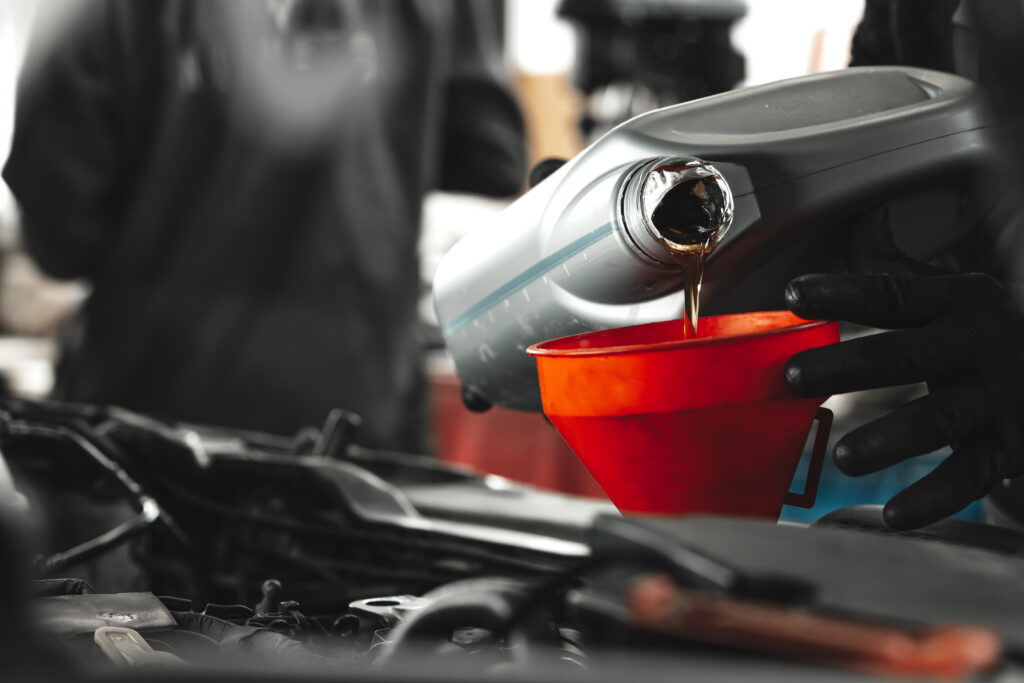
Step 4: Add Fresh Motor Oil
The correct type and amount of oil are added to the engine.
Step 5: Check for Leaks and Reset System
The technician checks for leaks and resets the oil monitoring system.
This process restores clean oil circulation and proper engine lubrication.
Frequently Asked Questions
Do oil filters really protect the engine?
Yes. Oil filters remove harmful contaminants from engine oil, preventing debris from damaging engine components.
How often should an oil filter be replaced?
Oil filters should typically be replaced every time the engine oil is changed.
Can a clogged oil filter damage the engine?
Yes. A clogged filter can restrict oil flow and reduce lubrication, which may lead to engine wear or overheating.
Are expensive oil filters worth it?
Higher-quality oil filters often provide better filtration and durability, which can improve engine protection.
What happens if the oil filter is not replaced?
If the oil filter is not replaced, contaminants may continue circulating through the engine, increasing wear and reducing oil effectiveness.
Final Thoughts: The Oil Filter’s Role in Long-Term Engine Health
While motor oil receives most of the attention during routine maintenance, the oil filter is just as essential for protecting your engine.
By capturing dirt, metal particles, and other contaminants, the oil filter ensures that only clean oil circulates through the engine. This helps maintain proper lubrication, prevent internal wear, and extend the life of critical engine components.
Regular oil changes combined with high-quality oil filters provide one of the most effective defenses against engine damage.
For drivers who want to keep their vehicle running smoothly for years to come, replacing the oil filter during every oil change remains one of the simplest and most important maintenance habits to follow.