

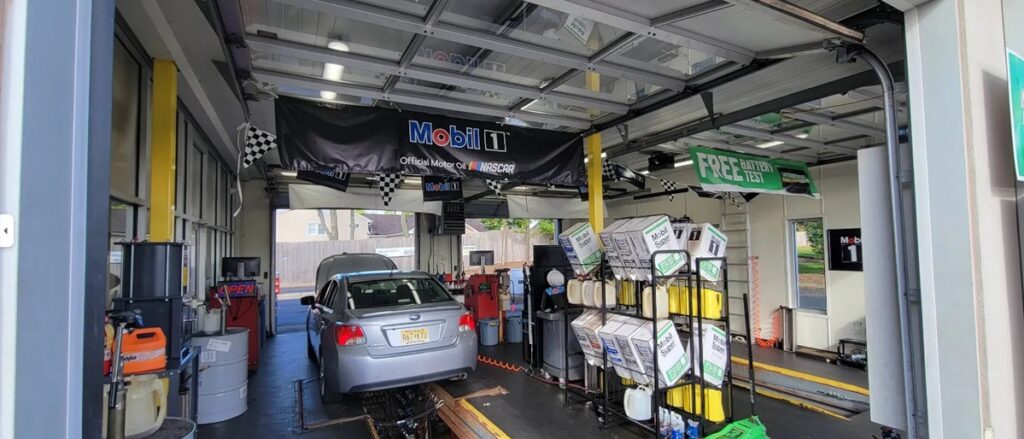
By Louie Paracuelles, Mobil 1 Lube Express
Keeping your vehicle’s oil fresh is one of the easiest ways to protect the engine and keep it running well. However, many drivers are unsure how often they should change their oil, and that uncertainty can speed up wear or even lead to expensive repairs. To help, this article walks through the main factors that determine oil-change timing: the benefits of regular service, the role of oil type, and how your driving habits shorten or extend oil life. In addition, we include notes for drivers in Parsippany, NJ, so you know exactly when to book service at your local lube center.
- First, regular oil changes protect engine parts and help you avoid costly repairs down the road.
- In addition, fresh oil supports fuel economy and lowers harmful emissions.
- As a rule, synthetic oils last longer and handle extreme conditions better than conventional oil.
- Moreover, your driving style, vehicle type, and the local climate all change how often you should swap oil.
- Typically, dashboard warnings, dark or gritty oil, and odd engine noises are common signs it’s time for a change.
- Also, replace the oil filter at every oil change to keep oil flowing cleanly through the engine.
- Finally, pushing oil-change intervals past manufacturer recommendations raises the chance of engine damage.
- In short, Hogwash Lube Center adjusts oil-change options to fit your vehicle and driving conditions in Parsippany, NJ.
Why Is Knowing Your Oil Change Interval Crucial for Vehicle Maintenance?
Knowing how often you should change your oil matters because it directly affects how well the engine runs and how long it lasts. First, fresh oil reduces friction, helps control engine heat, and protects moving parts from premature wear. Moreover, sticking to an appropriate oil schedule can save you money, since it helps you avoid breakdowns and major repairs caused by poor lubrication.
What Are the Benefits of Changing Your Oil on Time?
Putting off oil changes can have serious consequences:
- Increased Engine Wear: Because old, dirty oil won’t lubricate parts properly, friction and wear increase quickly.
- Higher Repair Costs: Furthermore, damage that builds up from neglected oil changes can lead to costly repairs.
- Risk of Engine Failure: Ultimately, letting oil degrade for too long raises the chance of a breakdown and the extra expenses that come with it.
For these reasons, a predictable oil-change plan is well worth keeping.
How Do Different Engine Oil Types Affect Oil Change Frequency?
The oil you choose affects how long it stays effective. In fact, oils differ in formulation and lifespan, and that difference determines how often they need replacing.
What Are the Differences Between Synthetic and Conventional Oil?
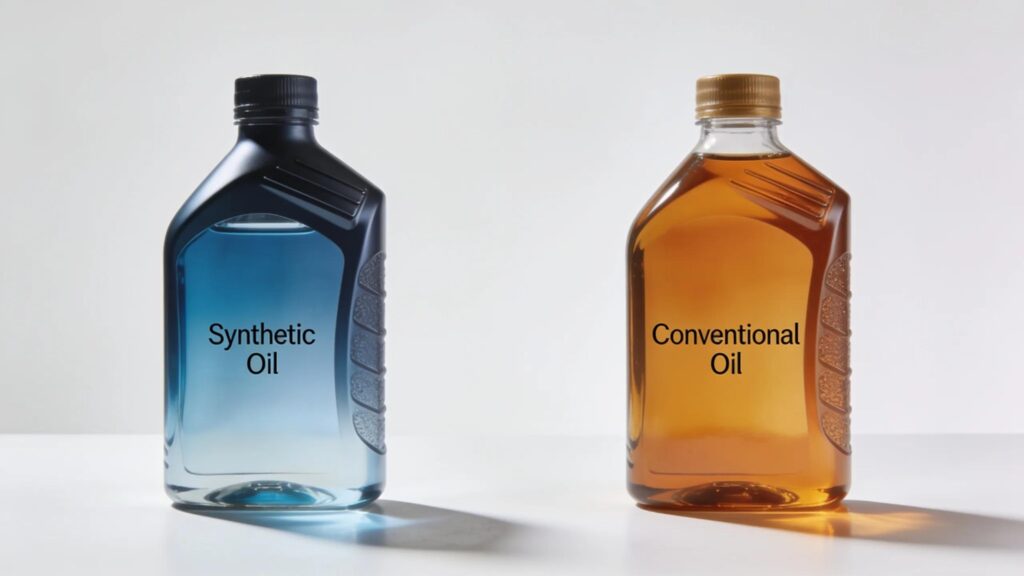
To begin with, synthetic oils are engineered to resist thermal breakdown and maintain performance under stress. In contrast, conventional oils come from crude oil and typically require earlier replacement. Key distinctions include:
- Performance: Generally, synthetic oils handle extreme temperatures and heavy use better than conventional oils.
- Longevity: For example, synthetics often last 7,500 to 15,000 miles, while conventional oils commonly need changes every 3,000 to 5,000 miles.
Therefore, choosing the right oil helps protect engine health and can affect how often you visit for service.
Can Synthetic Oil Allow Longer Driving Miles Between Changes?
Yes, synthetic oil typically lets you extend the interval between changes. In fact, many manufacturers recommend intervals of 7,500 miles or more for vehicles running synthetic oil. Although the product costs more up front, fewer visits and better protection can make it a cost-effective choice over time.
What Factors Influence How Often You Should Change Your Oil?
Your driving choices and vehicle design both affect oil degradation. For instance, consider the following.
How Do Driving Habits and Vehicle Type Impact Oil Life?
Your driving choices and vehicle design affect oil degradation. Consider:
- Driving Style: First, hard acceleration and heavy braking speed up wear and oil breakdown.
- Traffic Conditions: In addition, stop-and-go city driving stresses the engine more than steady highway miles.
- Vehicle Type: Likewise, heavier vehicles or those used for towing often need oil changes more frequently.
As a result, reviewing these habits helps you keep the engine running at its best.
What Effect Does the Parsippany, NJ Climate Have on Oil Change Schedules?
Local weather also plays a role. Specifically, in Parsippany, NJ, where winters can be cold and summers humid, watch for:
- Temperature Variations: Large swings in temperature can break oil down faster, so you may need more frequent changes.
- Seasonal Changes: Some drivers switch oil types between seasons to match colder starts or hotter operating conditions.
Keeping an eye on how the weather affects your vehicle helps you plan timely oil changes.
How Can You Tell When Your Car Needs an Oil Change?
Spotting the signs of worn oil can prevent bigger problems. Look for these common indicators.
What Are Common Signs and Engine Performance Indicators?
Warning signs that you need an oil change include:
- Dashboard Alerts: Modern cars will often notify you when an oil change is due.
- Oil Appearance: Dark, gritty oil means it’s time for fresh oil.
- Engine Noises: Clunks or ticking noises can point to poor lubrication and should be checked right away.
Regular checks catch these problems early and help protect the engine.
How Often Should the Oil Filter Be Replaced with Oil Changes?
You should replace the oil filter at every oil change. A new filter keeps contaminants out of the oil and helps maintain steady oil flow. As a rule of thumb, changing the filter every 5,000 miles is a useful guideline for many drivers.
What Oil Change Services Does Hogwash Lube Center Offer to Help You Stay on Schedule?
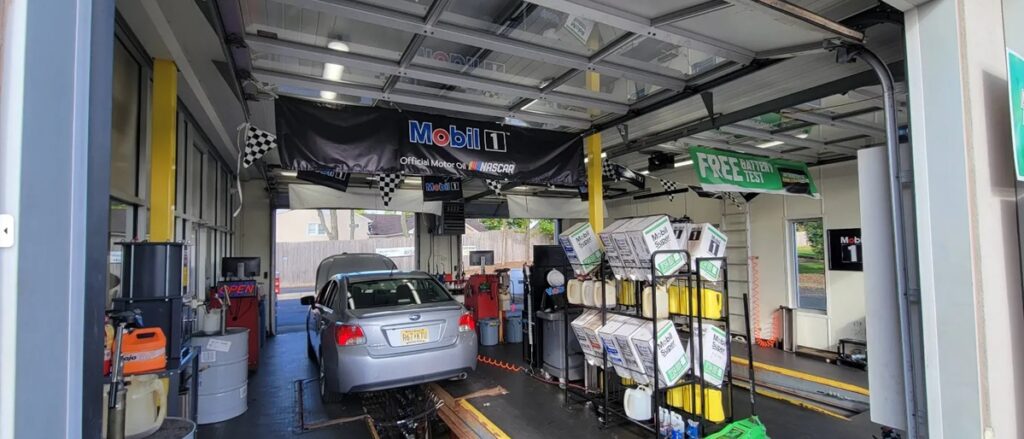
Hogwash Lube Center focuses on routine maintenance like oil changes to keep vehicles running reliably.
Which Types of Oil Are Available at Hogwash Lube Center in Parsippany?
Hogwash Lube Center carries several oil choices to match different needs:
- Conventional Oil: A solid option for everyday driving and standard performance requirements.
- Synthetic Oil: Offers stronger protection for higher stress or extreme-temperature driving.
- Blended Oil: Mixes synthetic and conventional formulas for balanced performance and cost.
Each oil type is chosen to suit specific driving conditions and engine needs.
How Does Hogwash Tailor Oil Change Recommendations to Your Vehicle and Driving Conditions?
Technicians at Hogwash consider your vehicle’s make and model, how you drive, and local weather when recommending oil-change intervals. They look at:
- Vehicle Model: Engine design affects recommended oil type and interval.
- Driving Patterns: Frequent short trips or heavy traffic may call for more frequent changes.
- Local Climate: Recommendations shift with seasonal demands in Parsippany.
This approach helps match service to your actual driving needs.
What Common Misconceptions Exist About Oil Change Frequency?
There are a few widely held myths that can mislead drivers about how often to change oil.
Is It Safe to Extend Oil Changes Beyond Recommended Intervals?
Some drivers assume it’s fine to go past their vehicle maker’s schedule. That can raise the risk of engine wear and other problems. Following the recommended interval is the safer choice, especially for vehicles with higher performance demands.
Does Using More Expensive Oil Always Mean Less Frequent Changes?
Higher-cost oils can offer better protection and longer life, but they don’t automatically let you double or triple the interval. Driving style, vehicle condition, and the maker’s guidance still matter most when deciding how often to change oil.
| Influence Factor | Frequency Change Recommendation | Reasoning |
| Driving Style | Shorten interval for aggressive driving | Higher engine stress speeds oil breakdown |
| Traffic Conditions | Change oil more often in heavy stop-and-go conditions | Extra strain on the engine accelerates wear |
| Climate | Adjust intervals for temperature extremes | Severe weather can cause oil to degrade faster |
Regularly checking oil condition, tracking driving patterns, and factoring in local weather will help you keep the engine running smoothly. If you want help, Hogwash Lube Center offers oil-change options matched to your vehicle and routine.
Frequently Asked Questions
1. How does my vehicle’s age affect oil change frequency?
Older vehicles often need oil changes more often because worn engine parts can accelerate oil contamination and breakdown. Classic or high-mileage engines may run less efficiently, so frequent checks and a tailored schedule from your mechanic are a good idea.
2. Are there specific oil change recommendations for high-performance vehicles?
High-performance cars usually demand more frequent oil changes and often benefit from synthetic oil that tolerates higher RPMs and temperatures. While upkeep can cost more, regular oil service is essential to protect those engines.
3. How can I optimize my oil change routine based on driving conditions?
To optimize your routine, pay attention to how and where you drive. Heavy traffic, short trips, or extreme climates typically mean you should change oil more often. Monitor oil appearance, follow manufacturer guidance, and pick an oil that fits your driving habits.
4. Is it beneficial to switch oil types based on the season?
Switching oil viscosity with the seasons can help. Thinner oils make cold starts easier in winter, while thicker oils can protect under hot conditions. Always check the owner’s manual before making seasonal changes.
5. What tools can help track my oil change schedule?
Use reminder apps, a simple logbook kept in the vehicle, or built-in vehicle alerts to track oil changes. These tools make it easier to follow a reliable maintenance cadence and avoid missed service.
6. How does local air quality affect oil change frequency?
Poor air quality and high dust levels can contaminate oil faster, which may require more frequent changes. If you drive in areas with heavy pollution or lots of airborne particles, check your oil more often and adjust service intervals as needed.
Conclusion
Keeping to a regular oil-change rhythm protects engine life and helps your car run more efficiently. Match oil type and service intervals to your driving habits and local weather, and replace the oil filter each time to keep contaminants out. For tailored oil-change options in Parsippany, stop by Hogwash Lube Center and set up the next appointment that fits your schedule.