

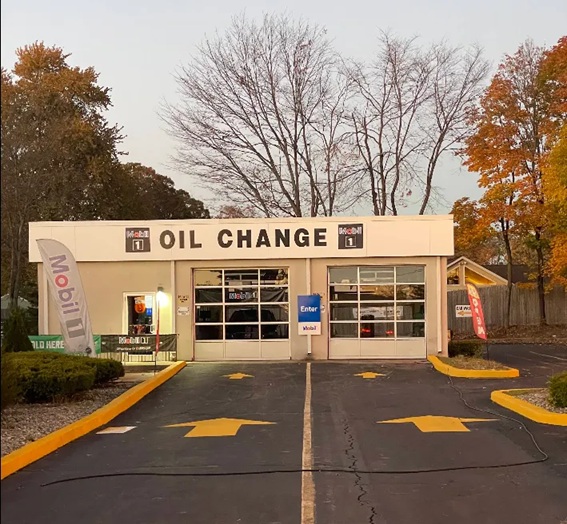
By Louie Paracuelles, Mobil 1 Lube Express
An oil change is a routine but important part of vehicle upkeep, and knowing how long it takes can help you plan your day. Drive‑thru oil change centers focus on speed and simplicity, so they often cut wait times compared with traditional shops. In this article we outline typical drive‑thru timeframes, walk through the usual steps, and explain the factors that can lengthen or shorten the visit.
We also look at how services at Hogwash Lube Center in Parsippany, NJ, match these expectations, highlighting what you can expect in terms of speed and transparency. You’ll find tips to reduce your wait, common misconceptions about timing, and what to expect when you pull up to a drive‑thru oil change bay.
- Drive‑thru oil changes generally take about 15 to 30 minutes, depending on service complexity and how busy the shop is.
- The typical workflow includes check‑in, draining the old oil, replacing the filter, topping off fluids, and completing payment.
- Synthetic oil can add a few minutes because of its handling and viscosity.
- Drive‑thru setups shorten waits by focusing on quick, repeatable tasks.
- Basic checks like tire inspection and fluid level reviews are commonly performed alongside the oil change.
- Booking a time slot and coming during off‑peak hours can cut your wait significantly.
- Drive‑thru oil changes are fast and convenient, though they may not include the longer, in‑depth inspections a full service shop might offer.
- Hogwash Lube Center in Parsippany, NJ, typically completes drive‑thru oil changes in about 15 to 25 minutes.
What Are the Typical Steps in a Drive‑Thru Oil Change Process?
A drive‑thru oil change follows a compact checklist designed to move cars through quickly while covering the essentials. The sequence below explains the usual stages that make the process faster than a traditional service visit.
- Arrival and Reception: Staff check you in and confirm which oil and services your vehicle needs.
- Preparation: The team gathers the right oil, filter, and tools for your car.
- Oil Change Execution: Old oil is drained, the filter is swapped, and fresh oil is added.
- Additional Checks: A quick look at fluid levels, tires, and other basic items may be done.
- Finalization and Payment: Staff process payment and may offer a short note about anything they noticed.
How Is the Oil Changed During a Drive‑Thru Service?
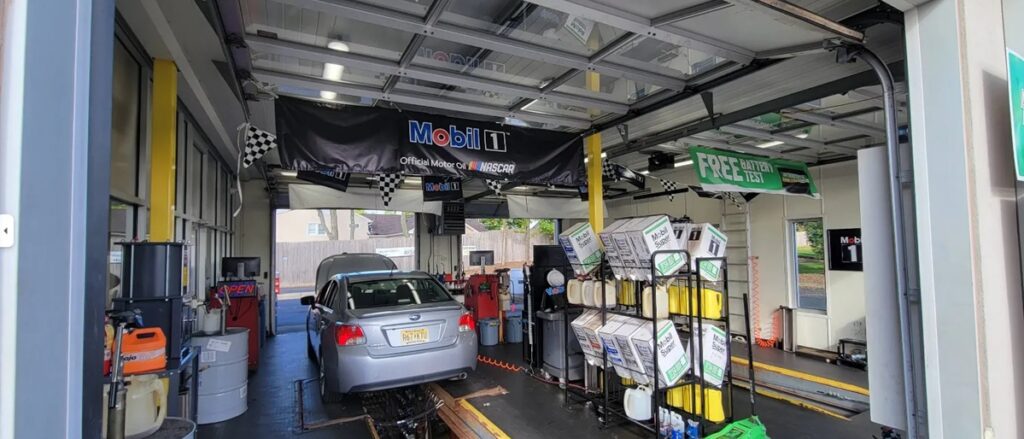
Technicians use tools and steps that shave minutes off the job without skipping essentials. Vehicles are lifted or positioned for access, old oil is drained into a collection system, the used filter is removed and replaced, and fresh oil is added. Staff make sure the drain and fill are clean so the engine gets only fresh oil.
What Vehicle Maintenance Tasks Are Included Alongside the Oil Change?
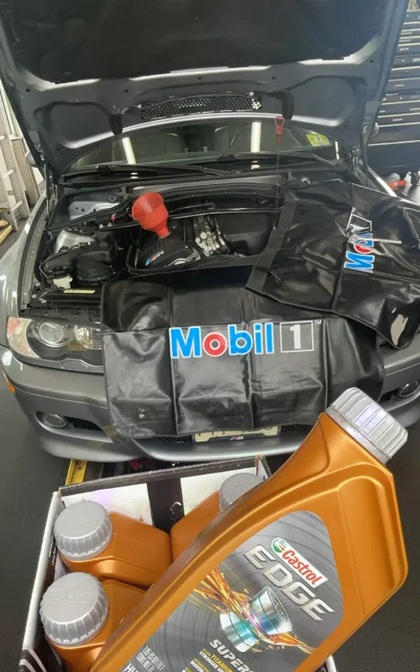
Many drive‑thru locations include a few quick inspections to keep your car running well between major services. Typical add‑ons are:
- Oil Filter Replacement: Keeps contaminants from recirculating into the engine.
- Fluid Level Checks: Quick checks of coolant, transmission, brake, and windshield washer fluids.
- Tire Inspection: A fast look at tire pressure and tread wear.
These short checks, done alongside the oil change, help catch small issues before they grow into bigger problems.
How Long Does a Drive‑Thru Oil Change Usually Take? Factors Affecting Duration
Most drive‑thru oil changes fall between 15 and 30 minutes. The exact time depends on a few variables that can speed things up or slow them down.
What Is the Average Wait Time for Quick Oil Change Services?
During busy periods, expect about 15 to 20 minutes of service time, though wait time depends on how many cars are ahead of you and the range of services requested. Higher‑volume shops can move cars quickly, but they also get busier at peak hours.
How Do Oil Types Like Synthetic vs. Conventional Impact Service Time?
The oil type can affect timing. Conventional oil often drains and fills a bit faster due to its flow characteristics, while synthetic oils can be a touch slower to handle. The difference is usually only a few minutes, but it’s worth factoring in if you’re on a tight schedule.
What Are the Differences Between Drive‑Thru and Traditional Oil Change Times?
Comparing drive‑thru and traditional shops helps you choose the right option for your needs: speed versus a fuller inspection.
How Does Drive‑Thru Service Reduce Typical Oil Change Waiting Periods?
Drive‑thru setups cut wait times by simplifying the workflow: staff focus on the oil change and a few basic checks, without additional repair work or long diagnostics. Customers stay in their cars or pull through and are out faster than they would be at a full‑service shop.
What Are the Tradeoffs and Benefits of Choosing Drive‑Thru Oil Changes?
Drive‑thru oil changes give you speed and convenience, which is ideal if you need a quick stop. The tradeoff is that they usually don’t include the deeper inspections or repair work a traditional shop would do during a longer visit. Choose based on whether you need a fast oil change or a more thorough service.
How Should Vehicle Owners Prepare for a Drive‑Thru Oil Change?
Preparing a little before you arrive helps the visit go faster and smoother.
What Tips Help Minimize Total Oil Change Duration?
To reduce wait time, try these steps:
- Schedule Appointments: Booking ahead cuts wait time, especially during busy periods.
- Arrive Prepared: Bring past maintenance notes or tell staff the last oil type used to speed selection.
- Choose Off‑Peak Hours: Visiting when the shop is quieter usually shortens your total time there.
How Does Scheduling Affect Drive‑Thru Oil Change Wait Times?
Booking a slot helps the shop plan people and supplies, which reduces delays. Many locations offer online booking, using it can make your visit faster and more predictable.
What Common Misconceptions Affect Expectations About Oil Change Duration?
Some ideas about oil changes can give people the wrong expectations about timing.
Do Synthetic Oil Changes Always Take Longer Than Conventional?
Not always. Synthetic oil can take a little longer in some cases, but with an efficient team the difference is small. Both oil types are often done in similar timeframes at quick‑service centers.
Can You Get an Oil Change While You Wait at a Drive‑Thru?
Yes, many drive‑thru shops complete the job while you wait, especially during quieter times. If you have limited time, ask the shop about average turnaround for walk‑ins versus appointments.
What Can Customers Expect Specifically from Hogwash Lube Center’s Drive‑Thru Oil Change in Parsippany, NJ?
Hogwash Lube Center runs a drive‑thru oil change set up to be straightforward and time‑conscious, with clear communication about what’s being done.
What Are Typical Oil Change Durations at Hogwash Lube Center?
Hogwash Lube Center typically completes drive‑thru oil changes in about 15 to 25 minutes, depending on how busy they are and the services you request.
How Does Hogwash Lube Center Ensure Fast and Transparent Service?
The center focuses on quick execution and clear communication. Staff explain the work, share estimated wait times, and outline any options before you leave. That way you know what was done and why.
Frequently Asked Questions
1. What should I bring to get an oil change at a drive‑thru service?
Bring any maintenance records you have, including dates and oil types from past services. That helps staff pick the right filter and oil faster. Having payment ready also speeds things up.
2. Are drive‑thru oil change services available for all types of vehicles?
Most drive‑thru shops handle standard cars, trucks, and SUVs. Specialty vehicles or models that need unique oils or parts may need a traditional service bay. Check with the provider before you arrive if you’re unsure.
3. How often should I get an oil change if I use drive‑thru services?
Follow your vehicle manufacturer’s recommendations and consider your driving habits. Conventional oil often calls for changes every 3,000 to 7,500 miles, while synthetic oils can go longer between changes. Drive‑thru services are convenient for keeping up with regular intervals.
4. What can I expect during the additional checks alongside the oil change?
Staff typically inspect fluid levels like coolant and brake fluid, check washer fluid, and do a quick tire pressure and tread check. These brief checks help spot obvious issues before they become bigger problems.
5. Can I remain in my vehicle during the oil change process?
Yes, one of the perks of drive‑thru service is that you can often stay in your car while the work is done, especially during slower hours. Staff will let you know when the job is finished.
6. Are there any safety precautions taken during the oil change process?
Drive‑thru centers follow standard safety practices: secure vehicle lifts, protective gear for staff, and proper handling and disposal of used oil to meet environmental rules. These steps protect both people and the environment.
7. Is scheduling an appointment necessary for a drive‑thru oil change?
Walk‑ins are usually welcome, but booking ahead is recommended during busy times. Pre‑booking reduces wait and helps the shop prepare for your specific vehicle needs.
Conclusion
A drive‑thru oil change is a quick, practical option for routine maintenance. With most services taking about 15 to 30 minutes, it’s a good choice when you need fast, reliable care without a long wait. Hogwash Lube Center in Parsippany, NJ, offers drive‑thru oil changes that typically run 15 to 25 minutes, stop by or book a time to fit one into your schedule.