

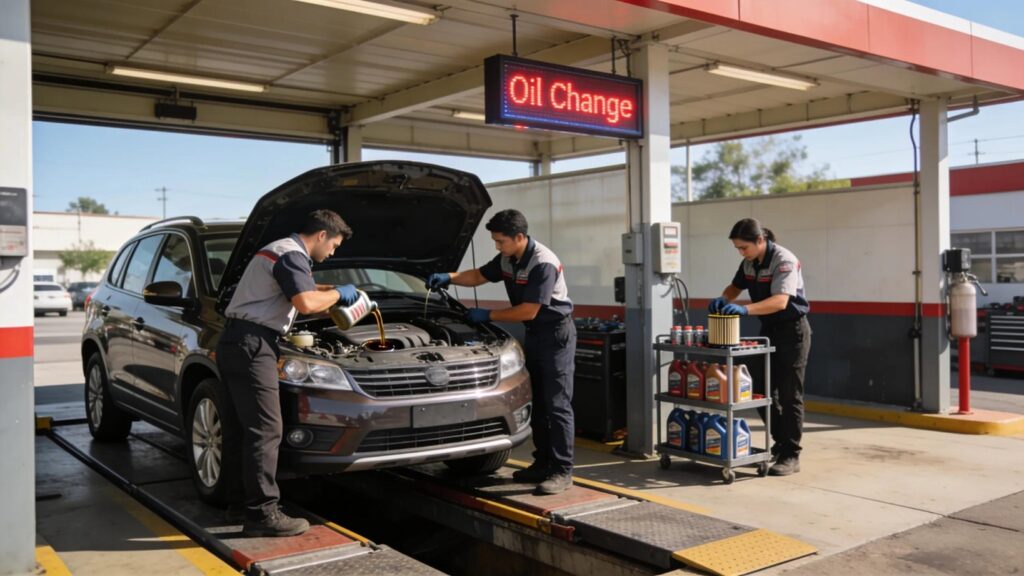
When time is limited, drive‑thru oil change centers offer a quick, practical way to keep your car maintained. Below, we explain how these services work, why they’re quicker than a traditional shop visit, and what you can do to make the visit go even faster. You’ll also find the main benefits and a few caveats, plus tips for preparing your vehicle and choosing a dependable local option.
- Drive‑thru oil changes let you get routine service with no appointment and minimal wait.
- Staff follow set steps and use purpose‑built tools to move through jobs fast and consistently.
- Most oil changes at these centers take about 10 to 30 minutes, depending on the vehicle and the shop’s setup.
- Service lanes and prepped supplies reduce delays and keep technicians focused on each task.
- Quick oil changes are convenient, flexible, and often competitively priced for people on tight schedules.
- Confirm the correct oil type and any special requests before service begins to avoid mistakes.
- Bringing service records or mentioning recent issues can speed up the assessment and service.
- Trained staff follow safety checks and standard procedures even when working quickly.
- Local centers combine practical tools and routine processes to balance speed with dependable care.
What Is the Drive‑Thru Oil Change Process?
Drive‑thru oil change centers are set up to handle routine oil service with as little downtime as possible. The workflow is structured so each step, from check-in to completion, moves smoothly, letting drivers stay on schedule without sacrificing the essentials of vehicle maintenance.
How a Drive-Thru Oil Change Works Step by Step
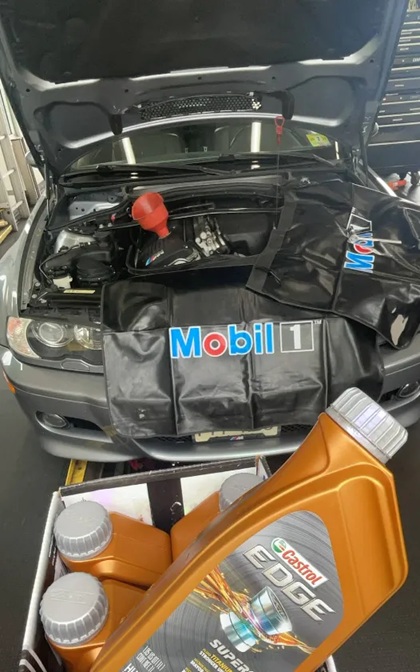
When you arrive, you’ll usually pull into a designated lane and wait briefly for the next available bay. A staff member inspects the vehicle, confirms the correct oil type, and checks basic items like fluid levels and the filter. The team drains the old oil, replaces the filter, tops off with new oil, and completes a short safety and leak check. From start to finish, the visit commonly takes 10–30 minutes, depending on the shop’s setup and any extra services you request.
Who Performs Your Oil Change and What Quick Lube Technicians Do
Technicians at these centers are trained to run a steady, repeatable service routine. Their training focuses on efficient techniques, safe handling of fluids, and following manufacturer oil specifications. That combination of practice and process helps them complete routine oil changes quickly while maintaining standard checks and basic quality control.
Why Are Drive‑Thru Oil Changes Faster Than Traditional Services?
Drive-thru oil changes save time by reducing unnecessary steps and concentrating on a focused set of tasks. The center layout, tool setup, and clear roles for staff help reduce downtime between vehicles and keep the line moving.
Key Factors Behind Rapid Service Times
Speed comes from repeating the same efficient actions and having the right supplies on hand. Dedicated oil bays, readily available filters and oils, and tools designed for fast access cut the time spent finding parts or switching tasks. Scheduling and traffic patterns at the location can also lower wait times, especially outside peak hours.
Equipment and Workflow Designed for Speed
Workflows at drive‑thru centers are purposefully arranged: separate entry and exit lanes, clear staging areas, and stations stocked with common parts. That layout reduces walking time and movement between tools, so each job proceeds without unnecessary interruptions. The result is a reliable, repeatable service that’s quicker than a typical garage visit focused on broader repairs.
What Are the Benefits and Limitations of Drive‑Thru Oil Changes?
These services deliver clear advantages, but they aren’t a perfect fit for every situation. Knowing both sides helps you pick the right option for your vehicle and schedule.
Advantages of Quick Oil Change Services
If your vehicle has special requirements or recent issues you can get routine oil service with little planning and minimal time out of your day. Many centers are set up to handle walk‑ins and last‑minute needs, and the straightforward pricing on common oil options makes comparisons simple.
What Customers Should Watch for During Drive-Thru Services
Because the process is quick, it’s smart to confirm what you want before service begins and to check that the correct oil and filter are used. If your vehicle has special requirements or recent issues, mention that up front because some issues require a longer inspection or a different service approach than a standard oil change.
How to Prepare Your Vehicle for a Drive‑Thru Oil Change?
A few small steps before you arrive can make the visit faster and more effective. Gather any recent service notes, confirm the oil type your vehicle requires, and be ready to tell staff about unusual symptoms or past repairs that matter.
Tips to Ensure a Smooth and Fast Service Experience
Arrive with clear instructions and any relevant paperwork. Point out recent problems, and let staff know if you prefer a specific oil grade. Following the technician’s instructions and keeping necessary areas accessible also helps the crew work quickly and safely.
Understanding Different Motor Oil Types Used
Choosing a quality Mobil 1 oil change can provide reliable engine protection when the correct oil grade and specifications are used for your vehicle. Drive-thru centers commonly offer conventional, synthetic blend, and full synthetic oils in several viscosity grades. Choosing the correct oil for your vehicle affects engine performance and maintenance intervals, so follow your owner’s manual and ask staff for the recommended option if you’re unsure.
Where Can You Find Fast and Reliable Drive‑Thru Oil Change Services Near Me?
Finding a trustworthy drive-thru center involves checking reviews, asking about the shop’s procedures, and confirming they handle your vehicle type. Local knowledge and clear communication with the shop will help you pick the right location.
Drive-Thru Oil Change Centers in Parsippany, NJ
Drivers looking for a fast oil change service in Parsippany can choose a local drive-thru center that offers convenient service and routine vehicle maintenance. Look for shops with consistent hours, transparent pricing, and visible safety practices. Reading recent customer feedback can reveal how well a center balances speed with proper checks.
How Local Services Maintain Quality and Speed
Successful centers rely on routine training, consistent checklists, and organized operations. Keeping parts and supplies stocked and following standard service steps helps teams stay fast without skipping important inspections or safety measures.
Are Drive‑Thru Oil Changes Safe and Effective for Your Vehicle?
When performed by trained technicians at a reputable service center, drive‑thru oil changes are a safe, effective option for routine maintenance. Proper procedures and attention to manufacturer specs are key to a good outcome.
Common Safety Concerns Addressed

Some drivers may be concerned that faster service could lead to overlooked details, but many reputable centers follow required handling and disposal rules and perform basic safety checks after the oil change. Ask about the shop’s standard checks if you want extra reassurance before they start.
How Trained Technicians Ensure Proper Vehicle Maintenance
Staff training emphasizes following manufacturer guidelines, using the right oil and filter, and performing simple inspections like fluid levels and leak checks. Regular review of procedures helps staff keep a steady pace while maintaining essential safeguards.
Frequently Asked Questions
What types of vehicles can benefit from drive‑thru oil changes?
Drive‑thru oil changes work well for most cars, SUVs, and light trucks that need routine oil and filter service. Some specialty or high‑performance vehicles may need a shop that offers a more detailed inspection or specific fluids, so check with the service provider first.
How often should I get a drive‑thru oil change?
Oil change intervals depend on your vehicle, oil type, and manufacturer recommendations. Many modern vehicles using synthetic oil may have recommended intervals of 5,000 to 7,500 miles or longer, while conventional oil often calls for more frequent service. Consult your owner’s manual and factor in driving habits like frequent short trips or heavy traffic.
Can I stay in my car during the oil change process?
Yes, most drive-thru centers let customers remain in their vehicles. Staff will give safety directions, such as turning the engine off during the service and staying clear of the service area until they confirm the job is complete.
Are drive‑thru oil changes environmentally friendly?
Many professional oil change centers follow proper procedures for used motor oil recycling and the safe handling of used filters and other automotive materials.
What should I do if I experience issues after an oil change?
If you notice leaks, warning lights, or unusual sounds after a service, return to the shop or contact them immediately and keep your receipt. Reputable centers will address post‑service concerns and can usually correct problems under their service terms.
Can I get additional services done alongside my oil change?
Many locations offer add‑on items like fluid top‑offs, air filter checks, and basic inspections. These services may add time to your visit, so tell staff about any extra requests up front so they can plan accordingly.
Is it necessary to book an appointment for a drive‑thru oil change?
Most drive‑thru centers accept walk‑ins, which is one of their main conveniences. During busy periods you may face longer waits, so visiting outside peak hours or checking the shop’s current wait times can save time.
Conclusion
Drive‑thru oil changes are a practical choice for routine upkeep when you need to save time. By confirming the right oil, sharing any vehicle concerns, and choosing a shop with clear procedures, you can get fast service without skipping essential checks. Visit a dependable local service center to help keep your routine maintenance on schedule and your vehicle running reliably.