

Introduction: A Simple Maintenance Task That Can Go Wrong
An oil change is one of the most basic forms of vehicle maintenance. It’s quick, relatively inexpensive, and often recommended every few thousand miles. Because it seems simple, many drivers assume there’s very little that can go wrong.
In reality, small mistakes during an oil change can lead to serious engine problems.
Using the wrong oil type, skipping the oil filter, or overfilling the engine may not cause immediate failure, but these mistakes can slowly damage engine components over time. In some cases, improper oil maintenance can even lead to catastrophic engine failure.
Modern engines are more advanced than ever, and they require precise lubrication to operate efficiently. That means the oil change process must be done correctly every time.
In this guide, we’ll explore the most common oil change mistakes that can damage your engine, explain why they happen, and show you how to avoid them to keep your vehicle running smoothly for years.
Understanding the Importance of Proper Oil Changes
Motor oil plays a critical role in protecting your engine. Without it, the moving parts inside the engine would generate extreme friction and heat.
Engine oil performs several essential functions:
- Lubricates internal engine components
- Reduces friction between moving parts
- Helps regulate engine temperature
- Prevents sludge buildup
- Carries contaminants to the oil filter
Over time, oil becomes contaminated with dirt, carbon deposits, and microscopic metal particles. As the oil breaks down, it loses its ability to protect the engine.
Regular oil changes remove old oil and replace it with clean oil that restores proper lubrication.
However, the oil change process must be performed correctly to deliver these benefits.
Why Oil Change Mistakes Can Be So Damaging
Engines operate under extreme conditions. Temperatures inside the engine can exceed several hundred degrees, and internal components move thousands of times per minute.
Under these conditions, proper lubrication becomes essential.
Even small mistakes in oil maintenance can create problems such as:
- Increased friction between engine parts
- Restricted oil flow
- Poor engine cooling
- Accelerated engine wear
Over time, these issues can reduce engine performance and shorten the lifespan of the vehicle.
Understanding common oil change mistakes can help drivers avoid costly repairs.
Common Oil Change Mistakes Drivers Make
Many engine problems related to oil changes come from simple oversights or misunderstandings.
Here are some of the most common mistakes.
Using the Wrong Oil Viscosity
Every engine is designed to operate with a specific oil viscosity.
For example:
- 0W-20
- 5W-20
- 5W-30
Using oil that is too thick or too thin can reduce lubrication efficiency and affect engine performance.
Always follow the viscosity recommendations listed in your owner’s manual.
Overfilling the Engine with Oil
Many drivers assume that adding extra oil will provide extra protection. In reality, overfilling the engine can cause serious problems.
Too much oil can:
- Increase internal pressure
- Cause oil foaming
- Reduce lubrication efficiency
This can lead to engine damage over time.
Forgetting to Replace the Oil Filter
The oil filter traps contaminants that circulate through the engine.
If the filter is not replaced during an oil change, dirty oil can continue circulating through the engine.
A clogged oil filter may also restrict oil flow, which reduces lubrication.
Not Tightening the Drain Plug Properly
The drain plug seals the oil pan after old oil is drained.
If it’s too loose, oil can leak out of the engine. If it’s too tight, the threads may become damaged.
Either situation can lead to oil loss and potential engine damage.
Delaying Oil Changes Too Long
One of the most common mistakes is simply waiting too long between oil changes.
As oil ages, it becomes contaminated and loses its ability to protect the engine.
This leads to:
- Increased friction
- Sludge buildup
- Reduced engine efficiency
Following recommended oil change intervals helps prevent these problems.
Using Low-Quality Motor Oil
Not all motor oils offer the same level of protection.
Lower-quality oils may break down faster under heat and pressure, leaving the engine vulnerable to wear.
High-quality oils, especially synthetic oils, provide better protection and longer performance.
Warning Signs That Oil Change Mistakes Have Occurred
Drivers may notice several warning signs if something goes wrong during an oil change.
Recognizing these symptoms early can prevent further damage.
Oil Leaks
Oil spots under your vehicle may indicate a loose drain plug or improperly installed filter.
Engine Noise
Ticking or knocking sounds may occur if engine components are not receiving proper lubrication.
Burning Oil Smell
A burning smell could indicate oil leaking onto hot engine components.
Dashboard Warning Lights
The oil pressure warning light may appear if oil levels are too low or circulation is restricted.
Excessive Exhaust Smoke
Improper oil levels can sometimes lead to blue smoke coming from the exhaust.
Any of these signs should be inspected immediately.
Expert Tips to Avoid Oil Change Mistakes
Preventing oil change mistakes is easier than repairing engine damage.
Here are several expert recommendations.
Always Follow the Owner’s Manual
Your vehicle manufacturer provides specific oil recommendations based on engine design.
This includes:
- Oil viscosity
- Oil type
- Recommended oil change intervals
These guidelines should always be followed.
Use High-Quality Motor Oil
Choosing a reputable motor oil brand helps ensure proper lubrication and engine protection.
Synthetic oils often provide the best performance for modern engines.
Replace the Oil Filter Every Time
A new oil filter ensures clean oil circulation and prevents contaminants from damaging engine components.
Check Oil Levels After the Change
After an oil change, always verify that the oil level falls within the recommended range on the dipstick.
This ensures proper lubrication.
Choose Experienced Service Technicians
Professional technicians follow proper procedures and use quality materials.
This reduces the risk of mistakes during the oil change process.
Step-by-Step: How a Proper Oil Change Should Be Done
Understanding the correct oil change process can help drivers recognize when the service is done properly.
Step 1: Drain the Old Oil
The technician removes the drain plug and allows the old oil to drain completely from the engine.
Step 2: Replace the Oil Filter
The old oil filter is removed and replaced with a new one.
Step 3: Reinstall the Drain Plug
The drain plug is properly tightened to ensure a secure seal.
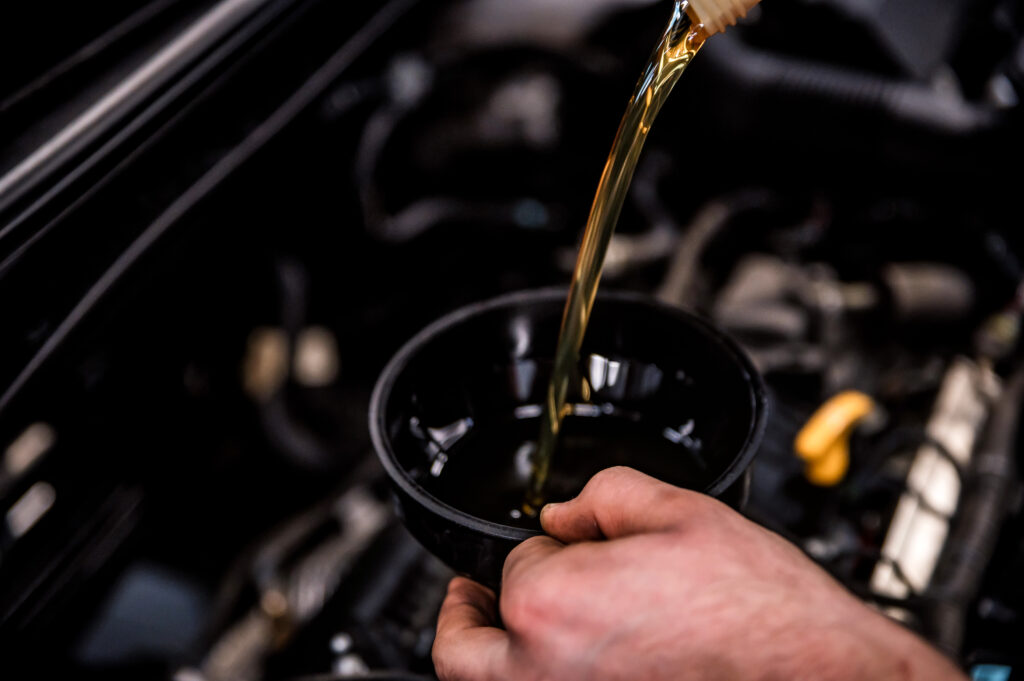
Step 4: Add Fresh Engine Oil
The correct oil type and quantity are added according to manufacturer specifications.
Step 5: Check Oil Level and Reset System
The oil level is verified using the dipstick, and the oil monitoring system is reset if necessary.
This process ensures the engine receives proper lubrication.
Frequently Asked Questions
What happens if the wrong oil is used in an engine?
Using incorrect oil viscosity can reduce lubrication, increase friction, and affect engine performance.
Always follow manufacturer recommendations.
Can too much oil damage an engine?
Yes. Overfilling the engine can cause oil foaming, increased pressure, and reduced lubrication efficiency.
Should the oil filter always be replaced during an oil change?
Yes. Replacing the oil filter ensures contaminants are removed from the engine’s lubrication system.
How often should oil be changed?
Most vehicles require oil changes every 5,000 to 7,500 miles, though synthetic oils may allow longer intervals.
Can oil leaks happen after an oil change?
Yes. Improperly installed oil filters or loose drain plugs can cause oil leaks.
Leaks should be inspected immediately.
Final Thoughts: Avoiding Small Mistakes That Lead to Big Repairs
Oil changes are one of the simplest maintenance tasks a vehicle requires, yet small mistakes during this process can lead to serious engine problems.
Using the correct oil type, replacing the oil filter, maintaining proper oil levels, and following recommended maintenance intervals are essential steps in protecting your engine.
By understanding the most common oil change mistakes and taking the right precautions, drivers can avoid unnecessary damage and extend the life of their vehicles.
A properly performed oil change may seem routine, but it remains one of the most important steps in keeping an engine healthy and running reliably for the long term.