

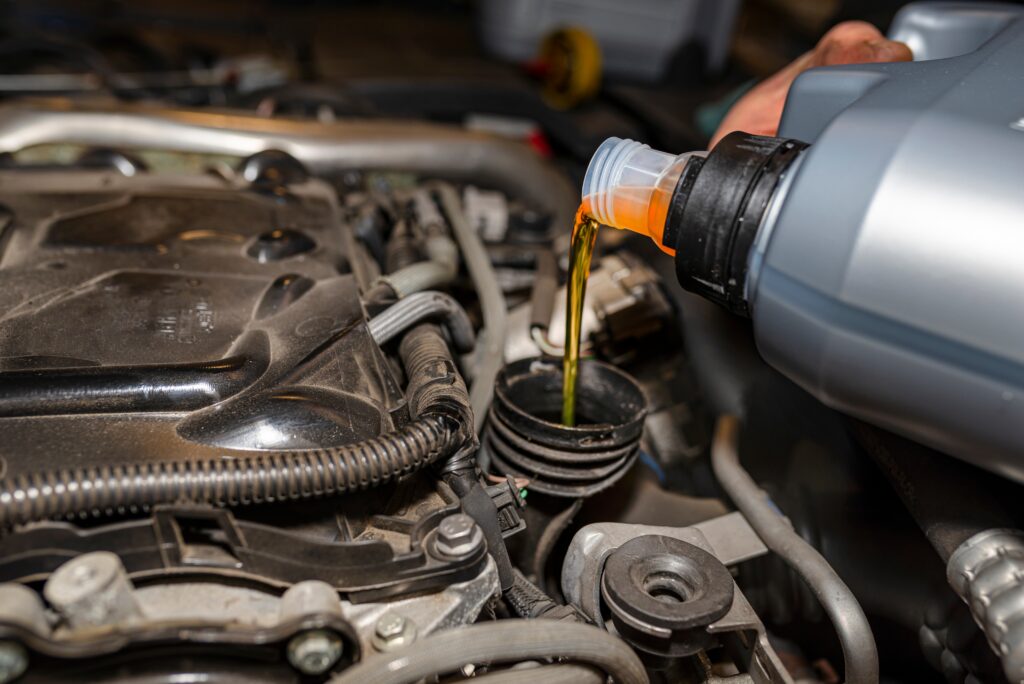
Introduction
Most drivers are familiar with routine oil changes, tire rotations, and brake inspections. But there is another critical maintenance task that often gets overlooked until it becomes a problem: transmission fluid service.
Your transmission is one of the most complex and expensive components in your vehicle. It is responsible for transferring power from the engine to the wheels and ensuring smooth gear shifts while driving. Without proper lubrication and cooling, transmission parts can quickly wear out.
Yet many drivers in Parsippany and across Morris County rarely think about their transmission fluid until they start noticing issues such as rough shifting, slipping gears, or strange noises while driving.
The truth is that changing transmission fluid at the right time can prevent major repairs and extend the life of your vehicle. A neglected transmission can lead to costly damage that may require extensive repairs or even full replacement.
In this guide, we will explain everything drivers need to know about changing transmission fluid in Parsippany, NJ, including why it matters, when to schedule service, warning signs to watch for, and how proper maintenance can keep your vehicle running smoothly for years.
Understanding Transmission Fluid and Its Role
Transmission fluid plays several essential roles in your vehicle’s performance. Whether your car has an automatic or manual transmission, this fluid is critical to the operation of the system.
Transmission fluid is designed to:
- Lubricate gears and internal components
- Cool the transmission system
- Enable smooth gear shifts
- Prevent excessive wear
- Protect against corrosion and debris buildup
Unlike engine oil, transmission fluid works under extremely high pressure and temperature. It must maintain proper viscosity while protecting complex mechanical components.
Over time, however, the fluid begins to break down.
Heat, friction, and contaminants cause the fluid to lose its effectiveness. When this happens, the transmission may start to operate less efficiently, which can lead to long-term damage.
Routine transmission fluid changes help ensure that the system continues to function properly.
Why Transmission Fluid Maintenance Matters
Many drivers delay transmission maintenance simply because they are unaware of its importance. However, failing to change transmission fluid at recommended intervals can lead to serious problems.
Protects Transmission Components
Clean fluid lubricates gears, bearings, and internal parts. Without proper lubrication, these components can wear out quickly.
Prevents Overheating
Transmission fluid helps regulate heat produced during operation. Dirty or degraded fluid may lose its ability to manage temperature effectively.
Improves Shifting Performance
Fresh transmission fluid helps ensure smooth and consistent gear changes.
Drivers often notice improved responsiveness after a fluid change.
Extends Transmission Lifespan
A properly maintained transmission can last for many years. Routine fluid changes help reduce wear and protect the system.
Because transmission repairs can be expensive, preventative maintenance is always the better option.
Common Transmission Problems Drivers Experience
Drivers in Parsippany often notice warning signs when transmission fluid maintenance is overdue. Recognizing these symptoms early can help prevent serious damage.
Rough or Delayed Gear Shifting
If your vehicle hesitates or jerks when changing gears, degraded transmission fluid may be affecting the system.
Slipping Gears
Gear slipping occurs when the transmission unexpectedly changes gears or fails to stay in gear.
This problem may indicate low or contaminated fluid.
Transmission Overheating
Overheated transmissions can occur when fluid loses its cooling ability.
Excess heat can damage seals and internal components.
Grinding or Unusual Noises
Strange noises while shifting gears may indicate that transmission parts are not properly lubricated.
Dark or Burnt Fluid
Healthy transmission fluid typically appears red or pink.
If the fluid becomes dark brown or smells burnt, it may be time for replacement.
Expert Tips for Maintaining Your Transmission
Transmission maintenance does not need to be complicated. Following a few simple practices can help keep your system operating properly.
Follow Manufacturer Service Intervals
Many vehicles require transmission fluid service every:
- 30,000 to 60,000 miles for conventional transmission fluid
- Up to 100,000 miles for certain synthetic fluids
Always follow the guidelines in your owner manual.
Check Fluid Condition Regularly
Drivers should occasionally inspect transmission fluid levels and condition.
Low fluid levels can indicate leaks or other issues.
Address Warning Signs Early
Ignoring transmission symptoms can lead to serious mechanical problems.
Early maintenance can prevent expensive repairs.
Choose Professional Service
Transmission systems are complex and require proper tools and procedures for fluid replacement.
Professional technicians ensure the correct fluid type and quantity are used.
Step-by-Step: What Happens During a Transmission Fluid Service
Many drivers are curious about what actually happens during a transmission fluid change. Understanding the process can help you feel more confident about scheduling service.
Step 1: Transmission Inspection
Technicians begin by inspecting the transmission system and checking fluid levels.
Step 2: Draining Old Transmission Fluid
The old fluid is removed to eliminate contaminants and degraded oil.
Step 3: Cleaning the Transmission Pan
In some cases, the transmission pan is removed and cleaned to remove debris.
Step 4: Replacing the Transmission Filter
Many vehicles include a transmission filter that helps capture contaminants.
Replacing this filter helps maintain fluid cleanliness.
Step 5: Adding Fresh Transmission Fluid
New fluid is added according to the manufacturer specifications.
Proper fluid viscosity ensures smooth operation.
Step 6: Final System Check
Technicians test the transmission to ensure smooth shifting and proper fluid levels.
This step ensures the vehicle is ready for safe operation.
Frequently Asked Questions
How often should transmission fluid be changed?
Most vehicles require transmission fluid service every 30,000 to 60,000 miles, though some systems may last longer depending on the fluid type.
What happens if you never change transmission fluid?
Over time, degraded fluid can cause overheating, gear slipping, and internal transmission damage.
Can dirty transmission fluid damage a transmission?
Yes. Dirty or contaminated fluid loses its ability to lubricate components, which can lead to wear and mechanical failure.
How long does a transmission fluid change take?
A professional transmission fluid service typically takes between 45 minutes and one hour, depending on the vehicle.
Is transmission fluid the same as engine oil?
No. Transmission fluid is specifically designed to lubricate and cool the transmission system, while engine oil lubricates engine components.
Final Thoughts
Your transmission plays a vital role in how your vehicle performs on the road. Without proper maintenance, even a reliable transmission can develop serious problems over time.
Changing transmission fluid at the recommended intervals helps protect internal components, improve shifting performance, and extend the lifespan of the transmission.
For drivers in Parsippany, NJ, staying proactive with transmission maintenance can prevent expensive repairs and ensure smoother driving experiences.
Routine inspections and fluid changes are small investments that can deliver long-term benefits for your vehicle’s performance and reliability.