

Introduction
A car engine is a remarkable piece of engineering. Hundreds of moving components operate together thousands of times per minute, generating intense heat and friction while powering your vehicle down the road. Yet despite all this complexity, one simple maintenance habit plays the biggest role in protecting that engine.
That habit is regular oil changes.
Many drivers know they should change their oil, but not everyone understands why it matters so much or how to do it properly. Some people wait too long between oil changes. Others choose the wrong oil type or overlook basic maintenance checks.
Over time, these small mistakes can lead to serious problems such as engine sludge, overheating, reduced fuel efficiency, and expensive repairs.
The good news is that maintaining your engine with proper oil care is straightforward once you understand the best practices.
In this guide, we will explore how regular oil changes protect your engine, the mistakes drivers commonly make, and the proven habits that help keep engines running smoothly for hundreds of thousands of miles.
Overview of Engine Maintenance Through Regular Oil Changes
Engine oil performs several critical functions that keep your vehicle operating properly.
Inside the engine, metal parts move at high speeds and operate under extreme temperatures. Oil acts as a protective barrier that reduces friction and prevents these components from wearing down.
What Engine Oil Does
High quality engine oil helps your vehicle by:
- Lubricating moving engine parts
- Reducing friction between metal components
- Absorbing and distributing engine heat
- Preventing corrosion inside the engine
- Carrying dirt and contaminants to the oil filter
Over time, engine oil gradually becomes contaminated with dirt, combustion byproducts, and microscopic metal particles. Heat also causes oil to break down and lose its protective properties.
This is why regular oil changes are necessary to maintain engine health.
Fresh oil restores lubrication and ensures that your engine continues operating efficiently.
Why Regular Oil Changes Matter for Engine Longevity
Drivers who follow consistent oil maintenance schedules often experience fewer engine problems and longer vehicle lifespans.
There are several important reasons for this.
Reducing Engine Wear
When oil becomes old or contaminated, it loses its ability to lubricate engine components effectively.
This increases friction between parts such as:
- Pistons
- Camshafts
- Crankshafts
- Bearings
Over time, this friction can cause excessive wear that shortens the lifespan of the engine.
Regular oil changes help maintain a protective oil film that keeps these parts operating smoothly.
Preventing Sludge Buildup
One of the most damaging consequences of neglected oil changes is engine sludge.
Sludge forms when degraded oil combines with contaminants and heat. This thick substance can restrict oil flow and prevent proper lubrication.
Once sludge accumulates, it becomes difficult to remove and may require costly engine repairs.
Changing oil on schedule helps prevent sludge from forming in the first place.
Supporting Engine Efficiency
Clean oil reduces internal resistance within the engine.
This allows components to move freely and helps the engine operate more efficiently. Drivers may notice benefits such as:
- Smoother acceleration
- Reduced engine noise
- Improved fuel efficiency
Although oil changes alone will not dramatically increase fuel economy, they help maintain optimal engine performance.
Common Problems Drivers Experience With Irregular Oil Changes
Many engine issues develop slowly over time when oil maintenance is ignored.
Engine Sludge and Deposits
Old oil becomes thicker and contaminated with debris. This creates sludge that can clog narrow engine passages.
Restricted oil flow can eventually lead to severe engine damage.
Increased Engine Noise
When lubrication becomes insufficient, metal parts inside the engine begin to rub against each other.
Drivers may notice sounds such as:
- Ticking
- Knocking
- Grinding
These noises often indicate increased friction and internal wear.
Overheating Engines
Oil helps carry heat away from engine components. When oil breaks down, it loses its ability to regulate temperature.
This can cause the engine to run hotter than normal.
Reduced Engine Life
Engines that consistently operate with degraded oil experience more internal wear.
Over time, this damage can shorten the overall lifespan of the engine.
Expert Tips for Maintaining Your Engine With Oil Changes
Following a few proven best practices can help ensure your oil maintenance routine provides maximum protection.
Follow Manufacturer Oil Change Intervals
Your vehicle’s owner’s manual contains the most reliable guidance for oil maintenance.
Depending on the engine and oil type, oil changes may be recommended every:
- 5,000 miles
- 7,500 miles
- 10,000 miles or more
Driving conditions such as heavy traffic or extreme temperatures may require more frequent service.
Choose the Correct Oil Type
Modern engines are designed to operate with specific oil viscosities.
Common examples include:
- 0W-20
- 5W-20
- 5W-30
- 10W-30
Using the wrong oil type may reduce engine efficiency and lubrication.
Always follow manufacturer recommendations.
Replace the Oil Filter
Oil filters capture contaminants circulating through the engine.
During every oil change, the filter should also be replaced. This ensures fresh oil remains clean for as long as possible.
Check Oil Levels Between Changes
Oil levels can drop gradually due to consumption or leaks.
Drivers should check oil levels monthly or before long trips.
Low oil levels can cause serious engine damage if ignored.
Consider Synthetic Oil for Better Protection
Many modern vehicles benefit from full synthetic motor oil.
Synthetic oil provides advantages such as:
- Improved resistance to heat breakdown
- Better cold temperature performance
- Longer oil life
- Enhanced engine cleanliness
Although synthetic oil typically costs more, it often provides superior engine protection.
Step by Step Guide to Maintaining Your Engine With Oil Changes
Maintaining your engine through proper oil care does not require advanced mechanical skills.
Following this simple routine can help protect your engine.
Step 1: Check the Owner’s Manual
Start by reviewing the recommended oil type, viscosity, and service interval specified by the vehicle manufacturer.
Step 2: Monitor Oil Condition
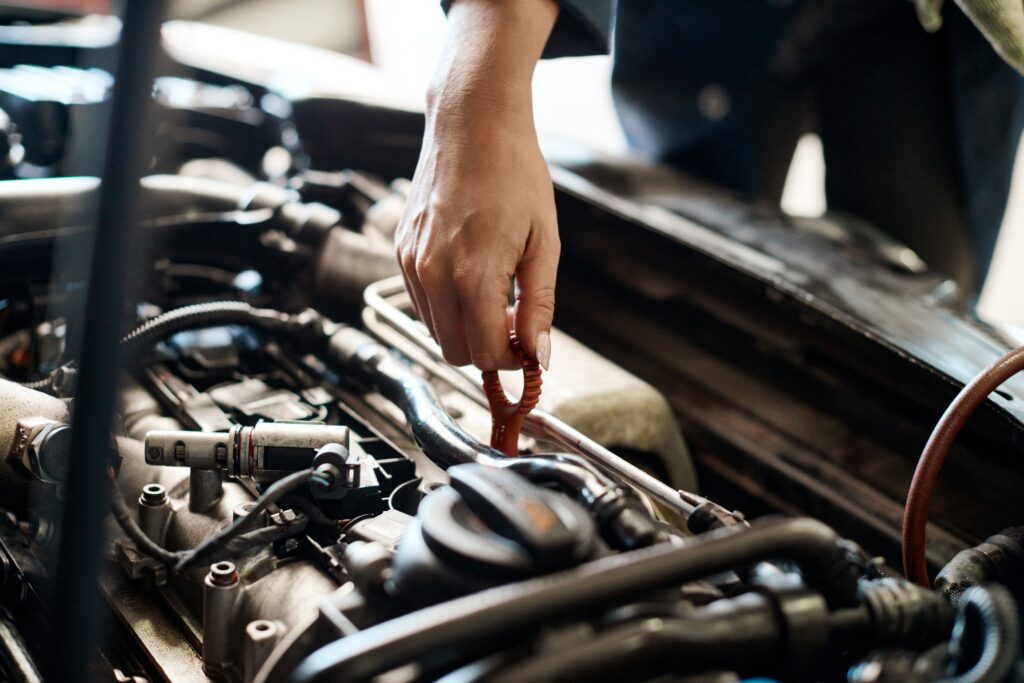
Use the dipstick to inspect oil level and appearance.
Healthy oil should appear smooth and slightly amber in color. Thick, dark, or gritty oil may indicate contamination.
Step 3: Schedule Oil Changes on Time
Do not wait until the oil becomes severely degraded.
Regularly scheduled oil changes ensure that lubrication remains effective.
Step 4: Replace Oil Filters
Always install a new oil filter during service to prevent contaminants from circulating in fresh oil.
Step 5: Pay Attention to Warning Signs
Watch for symptoms that may indicate oil related issues:
- Oil pressure warning light
- Burning oil smell
- Excessive engine noise
- Reduced engine performance
Addressing these issues early can prevent more serious mechanical problems.
Frequently Asked Questions
1 How often should I change my engine oil?
Most modern vehicles require oil changes every 5,000 to 10,000 miles, depending on the oil type and driving conditions.
2 What happens if I skip an oil change?
Skipping oil changes allows oil to degrade and become contaminated. This increases friction and may cause engine damage over time.
3 Is synthetic oil better for engine protection?
Synthetic oil typically offers better resistance to heat and breakdown, which helps protect engines under demanding conditions.
4 Can I check engine oil myself?
Yes. Checking engine oil using the dipstick is a simple process that takes only a few minutes.
5 Does regular oil maintenance improve engine lifespan?
Yes. Engines that receive consistent oil maintenance often last significantly longer than those that experience neglected service.
Final Thoughts
Regular oil changes remain one of the most effective ways to protect your vehicle’s engine. Clean oil reduces friction, controls heat, and helps prevent the buildup of harmful deposits inside the engine.
By following recommended oil change intervals, using the correct oil type, and checking oil levels regularly, drivers can maintain strong engine performance and avoid many common mechanical problems.
A small investment in routine oil maintenance can help extend engine life, improve reliability, and keep your vehicle running smoothly for many years to come.