

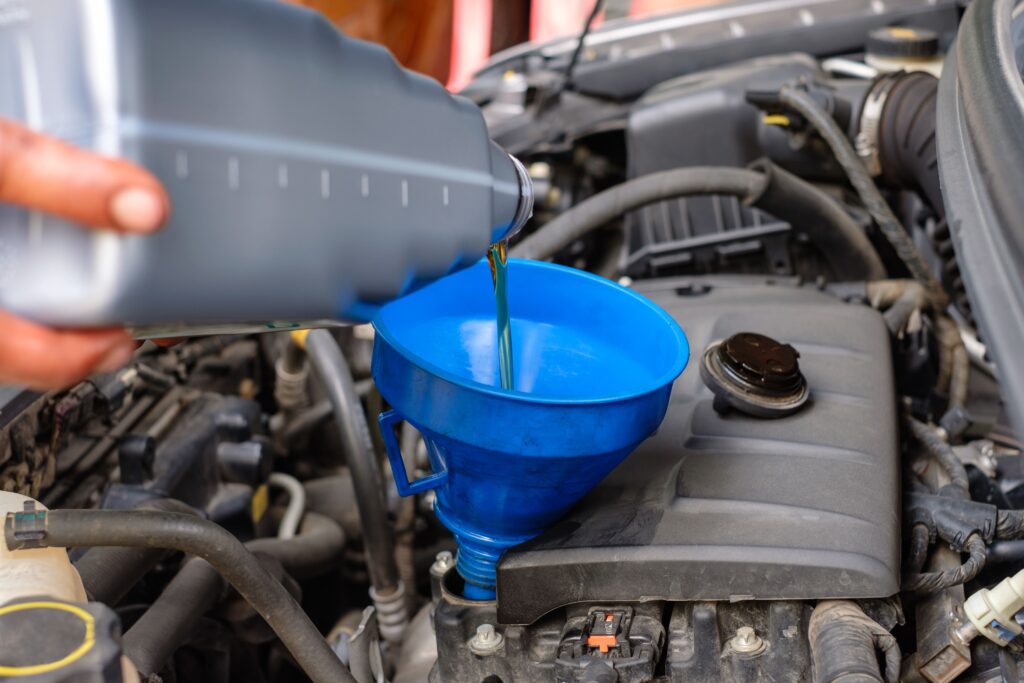
Introduction: The Small Choice That Can Protect (or Damage) Your Engine
Most drivers don’t think twice about motor oil. When it’s time for an oil change, many simply choose whatever option is cheapest or available at the moment. After all, oil is oil… right?
Not quite.
The quality of motor oil you use can have a major impact on your engine’s performance, longevity, and reliability. Modern engines operate under intense heat and pressure, and without proper lubrication, even small amounts of friction can lead to serious wear over time.
Mechanics frequently see engines damaged not because drivers skipped oil changes but because low-quality oil failed to provide adequate protection.
High quality motor oil is engineered to handle extreme conditions, reduce internal wear, and keep engine components running smoothly. When used consistently, it can extend engine life and prevent costly repairs.
In this guide, we’ll explain why high quality motor oil matters for engine protection, how it works inside your engine, and how drivers can choose the right oil for long-term vehicle health.
Understanding Motor Oil and Its Role in Engine Protection
To understand why oil quality matters, it helps to know what motor oil actually does.
Your vehicle’s engine contains dozens of metal components moving at incredibly high speeds. Pistons, valves, crankshafts, and bearings all operate under extreme pressure and heat.
Without proper lubrication, these parts would quickly grind against each other and fail.
Motor oil performs several critical tasks inside the engine.
Key Functions of Motor Oil
High quality motor oil helps:
- Lubricate moving parts to reduce friction
- Dissipate heat generated by engine operation
- Prevent corrosion on internal metal components
- Remove contaminants such as dirt and metal particles
- Improve engine efficiency and performance
Modern motor oils also contain advanced additives designed to improve durability and performance.
These additives help:
- Prevent sludge formation
- Reduce oxidation
- Protect against wear
- Maintain viscosity under high temperatures
However, not all oils provide the same level of protection.
Lower-quality oils often break down faster, leaving the engine more vulnerable to wear and overheating.
Why High Quality Motor Oil Matters
Choosing high quality motor oil isn’t just about performance it’s about protecting one of the most expensive components of your vehicle: the engine.
Superior Lubrication
High quality motor oil maintains a consistent protective film between moving engine components.
This lubrication minimizes friction and prevents direct metal-to-metal contact.
When lubrication is poor, engine parts begin to wear rapidly.
Better lubrication results in:
- Reduced engine wear
- Smoother operation
- Improved engine longevity
Better Heat Resistance
Engines generate intense heat during operation. Motor oil must remain stable under these extreme temperatures.
Low-quality oils can break down quickly under heat, causing them to lose viscosity.
High quality oils are formulated to maintain stability even in demanding driving conditions.
This helps prevent:
- Oil breakdown
- Overheating
- Reduced lubrication
Improved Engine Cleanliness
Over time, engines accumulate dirt, carbon deposits, and microscopic metal particles.
High quality oils contain advanced detergents and dispersants that help keep engine components clean.
This prevents sludge buildup that can block oil passages and restrict lubrication.
Clean engines generally:
- Perform more efficiently
- Last longer
- Require fewer repairs
Longer Oil Life
High quality oils resist oxidation and degradation better than cheaper alternatives.
This allows them to maintain performance for longer periods between oil changes.
While regular maintenance is still important, premium oils often provide better protection throughout the entire service interval.
Common Problems Caused by Low-Quality Motor Oil
Drivers who consistently use low-quality oil may experience several engine issues over time.
These problems often develop slowly but can eventually lead to costly repairs.
Increased Engine Wear
Poor lubrication causes metal components to rub against each other.
This friction gradually damages critical engine parts such as:
- Bearings
- Pistons
- Camshafts
Over time, this wear reduces engine efficiency and lifespan.
Engine Sludge Buildup
Low-quality oil is more prone to contamination and sludge formation.
Engine sludge can clog oil passages and reduce oil circulation.
Symptoms of sludge buildup may include:
- Reduced engine performance
- Rough idling
- Engine overheating
- Increased oil consumption
Severe sludge buildup can even lead to engine failure.
Reduced Fuel Efficiency
Engines running on poor-quality oil often experience higher internal friction.
This forces the engine to work harder to generate power.
Drivers may notice:
- Lower fuel economy
- Reduced acceleration
- Increased engine noise
Higher Risk of Overheating
Motor oil plays an important role in heat regulation.
If oil breaks down too quickly, it may lose its ability to dissipate heat effectively.
Overheating can cause serious engine damage, including:
- Warped components
- Blown head gaskets
- Cooling system stress
Expert Tips for Choosing High Quality Motor Oil
Selecting the right motor oil doesn’t have to be complicated. Following a few expert guidelines can ensure your engine receives the protection it needs.
Follow Manufacturer Recommendations
Your vehicle manufacturer specifies the best oil type and viscosity for your engine.
Common oil viscosity ratings include:
- 0W-20
- 5W-30
- 10W-30
Using the recommended oil ensures proper lubrication and engine performance.
Consider Synthetic Motor Oil
Synthetic oil offers several advantages over conventional oil.
Benefits include:
- Better temperature stability
- Improved engine protection
- Reduced sludge formation
- Longer service intervals
Many modern engines are specifically designed for synthetic oil.
Look for Industry Certifications
High quality motor oils typically meet strict industry standards.
Look for certifications such as:
- API (American Petroleum Institute)
- ILSAC (International Lubricant Standardization and Approval Committee)
These certifications ensure the oil meets performance and safety standards.
Replace the Oil Filter Regularly
The oil filter traps contaminants circulating in the engine.
Even high-quality oil can become contaminated if the filter is not replaced.
For best results, replace the oil filter during every oil change.
Maintain Regular Oil Change Intervals
Even the best oil eventually degrades.
Follow recommended oil change intervals based on:
- Oil type
- Driving conditions
- Manufacturer recommendations
Routine oil maintenance helps maintain engine protection.
Step-by-Step Guide to Protecting Your Engine with Quality Oil
Maintaining your engine with high quality motor oil is straightforward when you follow a simple routine.
Step 1: Check Your Owner’s Manual
The owner’s manual provides the correct oil viscosity and recommended oil type for your vehicle.
This information ensures optimal engine protection.
Step 2: Choose High Quality Oil
Select oil that meets industry standards and manufacturer specifications.
Many drivers opt for synthetic oil for improved protection and longevity.
Step 3: Monitor Oil Levels
Check your oil level at least once a month.
Use the dipstick to ensure the oil level falls between the minimum and maximum marks.
Low oil levels can reduce lubrication and cause engine damage.
Step 4: Schedule Routine Oil Changes
Regular oil changes remove contaminants and restore lubrication.
Most vehicles require oil changes every:
- 5,000–7,500 miles for synthetic blends
- 7,500–10,000 miles for full synthetic oil
Always follow manufacturer recommendations.
Step 5: Watch for Warning Signs
Pay attention to signs that your oil may need attention.
These include:
- Engine knocking sounds
- Oil warning lights
- Burning oil smell
- Reduced engine performance
Addressing these issues early can prevent major engine damage.
Frequently Asked Questions
1. What makes motor oil “high quality”?
High quality motor oil contains advanced additives and meets strict industry standards. It offers better lubrication, heat resistance, and engine protection compared to lower-grade oils.
2. Is synthetic oil better than conventional oil?
Synthetic oil generally provides better performance and protection. It resists heat breakdown, lasts longer, and helps keep engines cleaner.
3. Can low-quality oil damage my engine?
Yes. Low-quality oil may break down faster and provide less lubrication, increasing friction and engine wear over time.
4. How often should I change my motor oil?
Most vehicles require oil changes every 5,000 to 10,000 miles, depending on oil type and driving conditions.
5. Does high quality oil improve fuel efficiency?
Yes. Better lubrication reduces internal friction, allowing the engine to operate more efficiently and potentially improving fuel economy.
Final Thoughts: Protecting Your Engine Starts with the Right Oil
Your vehicle’s engine is one of its most complex and valuable components. Protecting it doesn’t require complicated maintenance but it does require making smart decisions about the products you use.
High quality motor oil plays a critical role in reducing friction, managing heat, preventing sludge, and maintaining smooth engine performance.
While cheaper oils may seem like a way to save money, the long-term cost of reduced engine protection can be far greater.
Drivers who consistently choose high quality motor oil and follow proper maintenance schedules often enjoy:
- Longer engine life
- Better fuel efficiency
- Improved vehicle reliability
- Fewer costly repairs
When it comes to engine protection, the quality of your motor oil truly matters.