

Introduction: The Overlooked Key to Better Gas Mileage
With fuel prices constantly fluctuating, most drivers are always looking for ways to improve their car’s fuel efficiency. Some focus on driving habits, tire pressure, or even switching vehicles entirely. But one of the simplest and most effective ways to improve gas mileage is often overlooked: regular oil changes.
It might seem surprising at first. After all, engine oil and fuel efficiency don’t appear directly connected. But inside your engine, oil plays a critical role in how smoothly and efficiently the vehicle operates.
When engine oil becomes dirty or degraded, it increases friction between moving parts. This forces the engine to work harder, which ultimately causes it to burn more fuel.
Clean oil, on the other hand, helps the engine run smoothly, reducing resistance and improving overall efficiency.
In this guide, we’ll explore how oil changes help improve fuel efficiency, why fresh oil makes such a difference in engine performance, and how drivers can maximize their vehicle’s mileage through proper maintenance.
Understanding the Role of Engine Oil
Engine oil is often described as the lifeblood of a vehicle, and for good reason. It performs several essential functions that keep the engine running properly.
Inside your engine are dozens of metal components moving at extremely high speeds. Without proper lubrication, these parts would grind against each other and quickly wear down.
Engine oil helps by:
- Lubricating moving engine parts
- Reducing friction between metal components
- Carrying heat away from engine parts
- Cleaning debris and contaminants
- Protecting against corrosion and wear
As oil circulates through the engine, it collects dirt, carbon deposits, and microscopic metal particles. Over time, these contaminants cause the oil to thicken and lose its ability to lubricate effectively.
When that happens, engine efficiency begins to decline.
Why Clean Oil Improves Fuel Efficiency
Fuel efficiency depends heavily on how smoothly your engine operates. The less resistance the engine experiences, the less fuel it needs to generate power.
Clean motor oil helps optimize this process in several ways.
Reduced Engine Friction
Fresh oil forms a protective film between engine components. This reduces metal-to-metal contact and allows parts to move freely.
When friction decreases, the engine requires less energy to operate.
Less energy demand means less fuel consumption.
Improved Engine Performance
Clean oil ensures that internal engine components move smoothly and maintain proper timing.
This improves combustion efficiency and helps the engine produce power more effectively.
Better Heat Control
Engines generate significant heat during operation. Oil helps regulate temperature by absorbing and distributing heat away from critical components.
When oil becomes dirty, its ability to manage heat declines, forcing the engine to work harder.
Consistent Oil Viscosity
Fresh oil maintains the proper viscosity needed for efficient lubrication.
Old oil thickens and becomes sluggish, increasing resistance inside the engine.
How Dirty Oil Reduces Fuel Efficiency
Many drivers underestimate how quickly oil degradation can affect vehicle performance.
As oil ages, several issues begin to develop.
Increased Internal Friction
Dirty oil cannot lubricate engine components effectively.
As friction increases, the engine must burn more fuel to maintain the same performance.
Sludge Buildup
Old oil can form sludge deposits that restrict oil flow through the engine.
Restricted oil circulation leads to increased engine strain.
Poor Engine Cooling
When oil loses its ability to carry heat away from engine parts, temperatures rise.
Higher temperatures reduce engine efficiency.
Increased Engine Workload
All of these factors force the engine to work harder than necessary, which directly affects fuel consumption.
Over time, this can significantly reduce your vehicle’s miles per gallon.
Common Signs That Old Oil Is Affecting Fuel Efficiency
Drivers may notice subtle signs that their oil is no longer performing properly.
Some of the most common indicators include:
Decreased Gas Mileage
One of the first signs of degraded oil is a noticeable drop in fuel efficiency.
Drivers may find themselves filling the gas tank more often.
Engine Noise
Old oil loses its lubricating properties, which can cause engine components to produce knocking or ticking sounds.
Sluggish Acceleration
If the engine struggles to respond quickly, it may be experiencing increased internal friction.
Dark or Thick Oil
Fresh oil typically has a golden or amber color. Dirty oil appears darker and thicker.
Regular oil checks can reveal when it’s time for a change.
Expert Tips to Improve Fuel Efficiency Through Oil Maintenance
If your goal is better fuel economy, maintaining clean engine oil is an essential step.
Here are some expert recommendations.
Follow Recommended Oil Change Intervals
Most vehicles require oil changes every 5,000 to 7,500 miles, although synthetic oils may last longer.
Following these intervals helps maintain engine efficiency.
Use the Correct Oil Viscosity
Your vehicle manufacturer specifies the correct oil viscosity for optimal engine performance.
Common examples include:
- 0W-20
- 5W-20
- 5W-30
Using the correct oil helps reduce engine friction.
Consider Synthetic Oil
Synthetic motor oil offers several advantages for fuel efficiency, including:
- Lower friction
- Better temperature stability
- Improved engine cleanliness
Many modern engines are designed specifically for synthetic oil.
Replace the Oil Filter
The oil filter traps contaminants circulating through the engine.
Replacing it during every oil change ensures the new oil remains clean.
Monitor Oil Levels
Low oil levels increase friction and reduce engine efficiency.
Checking oil regularly helps maintain proper lubrication.
Step-by-Step: How an Oil Change Improves Engine Efficiency
Understanding the oil change process can help drivers appreciate its role in fuel efficiency.
Step 1: Vehicle Inspection
Technicians begin by checking oil levels, mileage, and manufacturer specifications.
Step 2: Draining Old Oil
The old oil is drained completely from the engine.
This removes contaminants and degraded oil.
Step 3: Replacing the Oil Filter
A new oil filter is installed to capture debris and maintain clean oil circulation.
Step 4: Adding Fresh Motor Oil
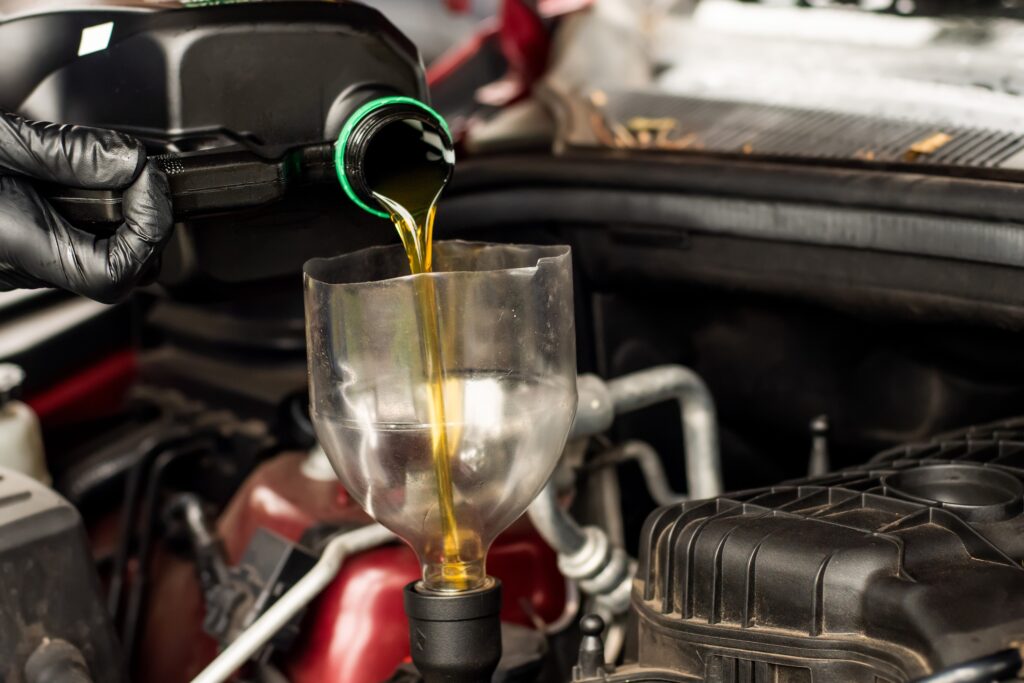
The engine is filled with fresh oil that meets the manufacturer’s specifications.
Step 5: System Reset and Inspection
The oil monitoring system is reset and technicians check for leaks.
Once completed, the engine can operate more efficiently with proper lubrication.
Frequently Asked Questions
Can oil changes really improve fuel efficiency?
Yes. Clean oil reduces friction inside the engine, allowing it to operate more efficiently and use less fuel.
How much can fuel efficiency improve after an oil change?
While the exact improvement varies by vehicle, regular oil changes can improve fuel efficiency by 1–2 percent or more.
Is synthetic oil better for fuel economy?
Synthetic oil generally reduces friction more effectively than conventional oil, which can help improve fuel efficiency.
How often should I change my oil?
Most vehicles require oil changes every 5,000 to 7,500 miles, though synthetic oils may allow longer intervals.
Always follow manufacturer recommendations.
What other maintenance helps improve fuel efficiency?
In addition to oil changes, maintaining proper tire pressure, replacing air filters, and following regular vehicle maintenance schedules can help improve fuel economy.
Final Thoughts: A Simple Maintenance Habit That Saves Fuel
Improving fuel efficiency doesn’t always require expensive upgrades or major changes to your driving habits. Sometimes, the solution is as simple as staying consistent with routine maintenance.
Clean engine oil reduces friction, helps regulate engine temperature, and keeps internal components moving smoothly. When your engine runs efficiently, it uses less energy and ultimately less fuel to power your vehicle.
Regular oil changes not only help improve gas mileage but also extend engine life and prevent costly repairs.
For drivers who want better performance, lower fuel costs, and long-term reliability, keeping engine oil fresh remains one of the most effective and affordable maintenance habits you can adopt.