

Introduction: The Small Maintenance Task That Makes a Big Difference
Most drivers understand that oil changes are important. Yet it’s surprisingly easy to postpone them. Life gets busy, schedules fill up, and what seems like a simple maintenance task often gets pushed to next week… and then the week after that.
The problem is that engine oil doesn’t stop aging just because we delay service. As miles accumulate, oil collects dirt, metal particles, and combustion byproducts. Over time it thickens, loses its lubricating ability, and begins to work against your engine instead of protecting it.
That’s why quick oil change services have become so popular among modern drivers. Instead of waiting hours at a repair shop, quick oil change centers complete the service in a fraction of the time, allowing drivers to maintain their vehicles without disrupting their day.
But convenience is only part of the story.
A quick oil change delivers several important benefits for your vehicle, including better engine performance, improved fuel efficiency, and longer engine life. In this guide, we’ll explore why quick oil changes matter, how they protect your engine, and why staying consistent with oil maintenance is one of the smartest things you can do for your car.
What Is a Quick Oil Change Service?
A quick oil change is a streamlined maintenance service designed to replace your vehicle’s engine oil efficiently while maintaining professional standards.
Unlike traditional repair shops where appointments and long wait times are common, quick oil change services focus on speed and convenience without sacrificing quality.
Most quick oil change services include:
- Draining the old engine oil
- Replacing the oil filter
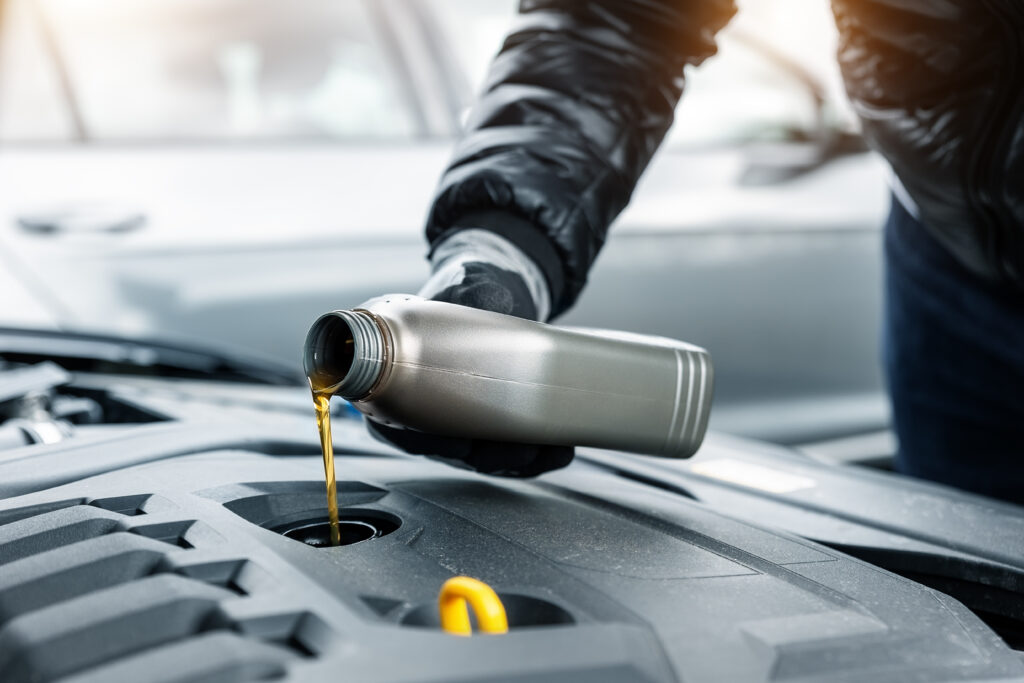
- Adding fresh motor oil
- Checking fluid levels
- Inspecting air filters
- Checking tire pressure
- Resetting the oil life monitor
These services are typically completed in 15 to 30 minutes, depending on the vehicle and oil type.
Because the process is optimized for efficiency, drivers can stay on top of routine maintenance without interrupting their daily routine.
Why Quick Oil Changes Matter for Your Vehicle
Engine oil plays a critical role in the health of your vehicle. It lubricates moving parts, reduces friction, and helps control engine temperature.
Without clean oil, even the most advanced engine can begin to suffer from increased wear and reduced performance.
Here’s why quick oil changes are so important.
Preventing Engine Wear
Your engine contains dozens of metal components that move rapidly under high pressure. Oil creates a thin protective layer between these parts, preventing direct metal-to-metal contact.
Fresh oil ensures these components continue to operate smoothly.
Maintaining Proper Engine Temperature
Engines generate a tremendous amount of heat during operation. Motor oil helps absorb and distribute that heat to prevent overheating.
Dirty oil loses this ability over time.
Keeping the Engine Clean
As oil circulates through the engine, it collects contaminants such as dust, dirt, and microscopic metal particles.
Routine oil changes remove these impurities before they cause damage.
Improving Fuel Efficiency
Clean oil reduces friction within the engine, allowing it to run more efficiently. This can lead to improved fuel economy and smoother performance.
Common Problems Drivers Experience When Oil Changes Are Delayed
Many vehicle owners underestimate how quickly dirty oil can affect engine performance.
Technicians regularly see several issues when drivers postpone oil changes.
Sludge Buildup
When oil breaks down, it forms thick deposits known as sludge.
Sludge can accumulate inside engine components and restrict oil flow.
Reduced Engine Performance
Dirty oil increases friction within the engine. Drivers may notice slower acceleration or rough engine operation.
Higher Fuel Consumption
Engines running with degraded oil require more energy to perform the same tasks.
This often results in lower fuel efficiency.
Increased Engine Noise
Oil that has lost its lubricating ability can cause metal components to rub against each other.
This often produces knocking or ticking sounds.
Potential Engine Damage
In extreme cases, severely degraded oil can lead to overheating or catastrophic engine failure.
Routine oil changes help prevent these problems before they start.
Expert Tips for Getting the Most from Your Oil Change
Keeping your engine healthy doesn’t require complicated maintenance routines. A few simple habits can make a big difference.
Follow the Recommended Oil Change Interval
Most modern vehicles require oil changes every 5,000 to 7,500 miles, depending on the oil type and driving conditions.
Always consult your vehicle’s owner’s manual for the manufacturer’s recommendation.
Use High-Quality Motor Oil
Premium motor oils offer better protection against heat, oxidation, and sludge formation.
Many drivers choose synthetic oil for its superior performance and longer lifespan.
Replace the Oil Filter Every Time
The oil filter traps contaminants circulating through the engine.
Replacing it during every oil change ensures the new oil remains clean.
Pay Attention to Warning Signs
Your vehicle may show signs that an oil change is needed sooner than expected.
Watch for:
- Dark or thick engine oil
- Engine knocking sounds
- Decreased fuel efficiency
- Dashboard oil warning lights
Addressing these signs early helps prevent bigger problems.
Choose a Reputable Service Center
Not all oil change services offer the same quality of care. Experienced technicians ensure proper oil selection, correct oil levels, and safe filter installation.
Step-by-Step: What Happens During a Quick Oil Change
Many drivers don’t realize how efficient the oil change process can be when performed by trained professionals.
Here’s what typically happens during a quick oil change.
Step 1 Vehicle Inspection
The technician reviews the vehicle’s mileage, oil condition, and manufacturer specifications to determine the correct oil type.
Step 2 Draining the Old Oil
The used oil is drained from the engine to remove contaminants and degraded oil.
Step 3 Oil Filter Replacement
A new oil filter is installed to ensure proper oil circulation and filtration.
Step 4 Adding Fresh Engine Oil
The engine is filled with the correct oil viscosity recommended for your vehicle.
Step 5 Final Checks
Technicians inspect fluid levels, check for leaks, and reset the oil life monitoring system.
Once complete, your engine is ready to operate with optimal lubrication and protection.
Frequently Asked Questions
How long does a quick oil change take?
Most quick oil changes are completed in 15 to 30 minutes, depending on the vehicle and service location.
How often should I get an oil change?
For most vehicles, oil changes are recommended every 5,000 to 7,500 miles, though synthetic oils may allow longer intervals.
Is synthetic oil better than conventional oil?
Synthetic oil offers improved engine protection, better performance in extreme temperatures, and longer oil change intervals compared to conventional oil.
Can I drive with old engine oil?
While your vehicle may continue to run temporarily, driving with old oil increases friction and engine wear.
It’s best to change oil as soon as possible once it reaches the recommended interval.
Do quick oil change services check other vehicle systems?
Yes. Many quick oil change services include basic inspections such as fluid checks, tire pressure checks, and air filter inspections.
Final Thoughts: Small Maintenance, Big Impact
Routine oil changes may seem like a minor task, but they play a major role in maintaining the health and performance of your vehicle.
Clean oil keeps engine components properly lubricated, prevents overheating, and helps maintain fuel efficiency. When oil becomes dirty or degraded, these protective benefits begin to fade.
Quick oil change services make it easier than ever to stay on top of this essential maintenance task.
By combining convenience with professional service, quick oil changes allow drivers to protect their engines without sacrificing valuable time.
In the long run, a simple oil change can mean the difference between an engine that lasts for years and one that faces premature wear and costly repairs. Keeping up with routine oil maintenance remains one of the smartest investments any driver can make.