

Introduction: The Oil Change Question Every Driver Eventually Asks
At some point, every car owner faces the same question: How often should I change my oil?
For decades, drivers followed the classic rule of changing their oil every 3,000 miles. It became so common that many people still assume it applies to every vehicle today.
But modern engines are different. Oil technology has evolved, and high-performance synthetic oils like Mobil 1 have dramatically extended oil change intervals.
If you’re using Mobil 1 motor oil, you may not need to change your oil nearly as often as you think. Still, the answer isn’t always simple. The ideal oil change interval depends on several factors, including your driving habits, engine type, and environmental conditions.
In this guide, we’ll break down how often you should get a Mobil 1 oil change, what factors influence oil life, and how to ensure your engine stays protected for the long run.
Understanding Mobil 1 Oil and Why It’s Different
Mobil 1 is widely recognized as one of the leading full synthetic motor oils available today. Unlike conventional motor oils, synthetic oils are engineered with advanced base oils and additives designed to perform under extreme conditions.
Mobil 1 oil provides several important benefits:
- Improved engine protection
- Reduced friction between engine components
- Better performance in cold weather
- Increased resistance to heat breakdown
- Longer oil change intervals
Because synthetic oil resists degradation more effectively than conventional oil, it can remain effective for significantly longer periods.
Many Mobil 1 formulas are designed to last 7,500 to 10,000 miles, while certain extended-performance versions may last even longer under the right conditions.
However, oil life always depends on more than just the product itself.
Why Oil Change Frequency Matters for Your Engine
Engine oil does much more than simply lubricate moving parts. It performs several critical functions that keep your vehicle operating smoothly.
Lubrication of Engine Components
Your engine contains numerous metal parts that move at extremely high speeds. Oil creates a protective barrier between these components, preventing friction and wear.
Without proper lubrication, these parts can quickly deteriorate.
Heat Control
Engines generate significant heat during operation. Motor oil helps dissipate this heat and prevent overheating.
Cleaning the Engine
Oil also collects contaminants such as dirt, debris, and microscopic metal particles. These contaminants are trapped in the oil filter and removed during oil changes.
Preventing Sludge Formation
Over time, oil breaks down and can form thick sludge deposits inside the engine.
Fresh oil helps prevent this buildup and keeps internal engine components clean.
Because oil gradually loses its effectiveness, routine oil changes are essential for maintaining long-term engine health.
Common Problems Drivers Experience When Oil Changes Are Delayed
Delaying oil changes might seem harmless at first. After all, many vehicles continue running even when oil is old or degraded.
However, technicians frequently see the same problems when maintenance is postponed.
Engine Sludge
When oil degrades, it becomes thicker and less effective at lubricating engine parts.
This can lead to sludge buildup that blocks oil passages and reduces engine performance.
Increased Engine Wear
Old oil loses its ability to protect moving parts from friction. This can accelerate wear on critical components such as:
- Pistons
- Bearings
- Camshafts
- Crankshafts
Reduced Fuel Efficiency
Engines running on degraded oil must work harder to operate. This can lead to increased fuel consumption.
Risk of Overheating
When oil loses its viscosity and thermal stability, it becomes less effective at regulating engine temperature.
In extreme cases, this can lead to overheating or engine damage.
These problems highlight why regular oil changes remain one of the most important aspects of vehicle maintenance.
Expert Recommendations for Mobil 1 Oil Change Intervals
Although Mobil 1 offers extended protection, the ideal oil change interval varies depending on how and where you drive.
Here are general guidelines experts recommend.
Typical Oil Change Interval with Mobil 1
For most vehicles using Mobil 1 full synthetic oil, oil changes are recommended every:
7,500 to 10,000 miles
However, always confirm your vehicle manufacturer’s recommendation in the owner’s manual.
Severe Driving Conditions
Certain driving habits can shorten oil life.
These include:
- Frequent stop-and-go traffic
- Short trips under 10 miles
- Towing heavy loads
- Driving in extreme temperatures
- Dusty or dirty environments
Under these conditions, oil changes may be needed closer to 5,000 to 7,500 miles.
Extended Performance Oils
Some Mobil 1 formulations, such as Mobil 1 Extended Performance, are designed to last up to 15,000 to 20,000 miles.
Even with these products, drivers should still:
- Monitor oil levels
- Follow manufacturer recommendations
- Perform periodic inspections
Signs That Your Vehicle May Need an Oil Change
Even if you track mileage carefully, your vehicle may still show signs that it needs fresh oil sooner.
Pay attention to these warning signs.
Dashboard Oil Warning Light
Modern vehicles monitor oil life and may trigger a warning light when it’s time for a change.
Dark or Dirty Oil
Fresh oil typically has a golden or amber color. As it becomes contaminated, it turns darker and thicker.
Engine Noise
If you hear knocking or ticking sounds from the engine, it could indicate insufficient lubrication.
Decreased Fuel Economy
Older oil increases engine friction, which can reduce fuel efficiency.
Burning Oil Smell
A burning smell may indicate oil degradation or leaks.
If you notice any of these signs, it’s best to schedule an oil change as soon as possible.
Step-by-Step: What Happens During a Mobil 1 Oil Change
Understanding the oil change process can help drivers appreciate the importance of this routine maintenance service.
Step 1: Vehicle Inspection
Technicians begin by checking the vehicle’s mileage and oil condition to determine the appropriate oil type.
Step 2: Draining Old Oil
The old oil is drained completely from the engine. This removes contaminants and degraded oil.
Step 3: Replacing the Oil Filter
A new oil filter is installed to trap dirt and debris from circulating through the engine.
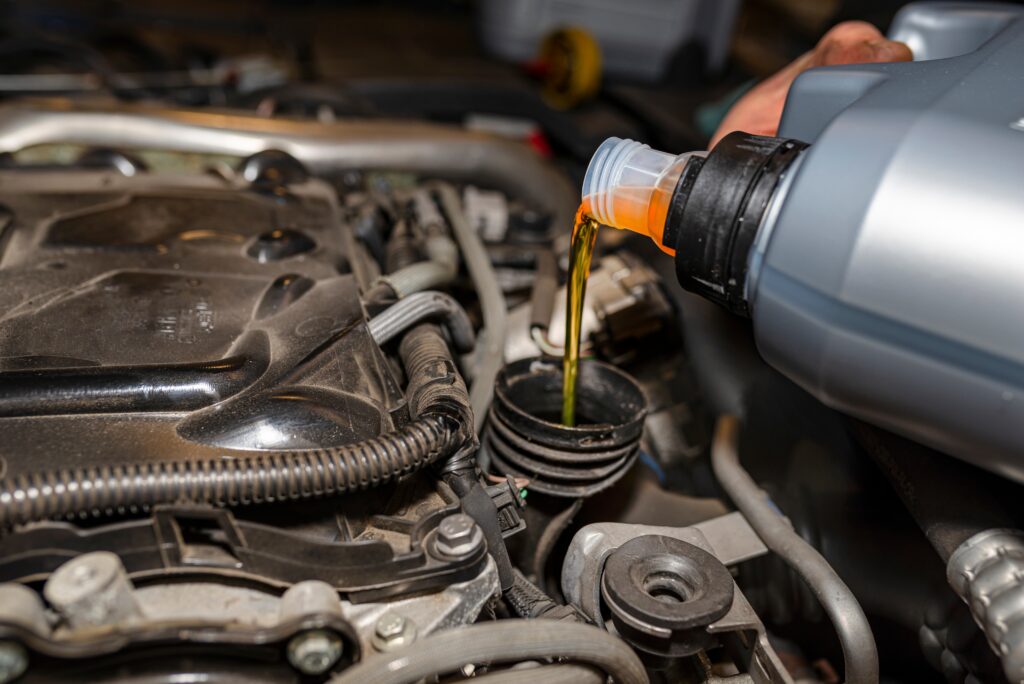
Step 4: Adding Fresh Mobil 1 Oil
The technician adds the correct amount and viscosity of Mobil 1 oil recommended for your vehicle.
Step 5: Final Inspection
Fluid levels are checked, and the vehicle’s oil monitoring system is reset.
This ensures the engine receives optimal lubrication and protection.
Frequently Asked Questions
How long does Mobil 1 oil last?
Mobil 1 full synthetic oil typically lasts 7,500 to 10,000 miles, depending on driving conditions and manufacturer recommendations.
Some extended-performance versions may last longer.
Is Mobil 1 better than conventional oil?
Mobil 1 synthetic oil offers several advantages over conventional oil, including improved engine protection, better performance in extreme temperatures, and longer oil change intervals.
Can I switch from conventional oil to Mobil 1?
Yes. Most modern engines can safely switch from conventional oil to synthetic oil without any issues.
In fact, many drivers notice improved engine performance after switching.
Does Mobil 1 improve fuel efficiency?
Synthetic oils like Mobil 1 reduce friction inside the engine, which can improve fuel efficiency slightly.
What happens if I wait too long between oil changes?
Delaying oil changes can lead to sludge buildup, increased engine wear, overheating, and reduced engine lifespan.
Routine maintenance helps prevent these problems.
Final Thoughts: Protecting Your Engine with the Right Oil Change Schedule
Motor oil is the lifeblood of your engine. It protects critical components, controls heat, and keeps the engine clean.
Thanks to advancements in synthetic oil technology, products like Mobil 1 allow drivers to go longer between oil changes without sacrificing protection.
For most vehicles, changing Mobil 1 oil every 7,500 to 10,000 miles provides excellent engine protection. However, driving habits, environmental conditions, and manufacturer recommendations should always guide your maintenance schedule.
Staying proactive about oil changes is one of the simplest ways to extend the life of your vehicle, improve fuel efficiency, and avoid costly repairs.
When your engine receives the care it needs, your vehicle will continue delivering reliable performance mile after mile.