

Introduction
Few car maintenance tasks are as simple yet as important as an oil change. Still, many drivers delay it. The reason is usually not neglect, but time. Between work schedules, family responsibilities, and daily errands, taking an hour or two out of the day for vehicle maintenance can feel inconvenient.
That is exactly why express oil change services have become increasingly popular.
Instead of waiting half a day at a repair shop, drivers can now get a professional oil change in as little as 15 to 30 minutes. For busy people who rely on their vehicles daily, this convenience can make routine maintenance far easier to manage.
However, some drivers wonder whether express services provide the same level of care as traditional auto service appointments. Others are unsure what actually happens during an express oil change or whether the service is right for their vehicle.
Understanding what drivers should know about express oil change services can help you make informed decisions about your vehicle maintenance. In this guide, we will explain how these services work, why they matter, and how to choose a reliable express oil change provider.
Overview of Express Oil Change Services
An express oil change service is designed to provide quick, efficient oil maintenance without sacrificing quality.
Unlike full-service auto repair shops that may handle complex repairs, express oil change centers specialize in routine maintenance. Their process is streamlined to allow technicians to perform oil changes quickly and safely.
Typical services offered during an express oil change include:
- Draining old engine oil
- Installing fresh motor oil
- Replacing the oil filter
- Checking fluid levels
- Inspecting key vehicle components
Because these shops focus specifically on preventative maintenance, technicians are trained to complete the process efficiently while still following proper service procedures.
Most express oil changes take between 15 and 30 minutes, depending on the vehicle and oil type used.
Why Express Oil Changes Matter for Vehicle Maintenance
Routine oil changes are essential for protecting engine health. When drivers postpone oil maintenance due to time constraints, engine wear can gradually increase.
Express oil change services solve this problem by making maintenance faster and more convenient.
Helps Drivers Stay on Schedule
One of the biggest reasons drivers skip oil changes is lack of time. Express services reduce wait times, making it easier to keep up with maintenance schedules.
Protects Engine Performance
Clean oil reduces friction between engine components and helps maintain smooth performance.
Routine oil changes help ensure that internal engine parts remain properly lubricated.
Prevents Sludge and Contaminant Buildup
Over time, motor oil collects dirt, debris, and combustion byproducts. These contaminants can form sludge if oil is not replaced regularly.
Express oil changes remove contaminated oil before it can cause damage.
Extends Engine Life
Consistent oil maintenance helps reduce wear on engine components.
Engines that receive regular oil changes typically last longer and require fewer major repairs.
Common Concerns Drivers Have About Express Oil Change Services
Despite their convenience, some drivers hesitate to use express oil change services.
Here are several common concerns and the truth behind them.
Concern About Service Quality
Some drivers worry that quick service means rushed or careless work.
In reality, reputable express oil change providers follow structured procedures and employ trained technicians. Because oil changes are their primary service, many technicians perform them several times per day.
Uncertainty About Oil Options
Drivers sometimes wonder whether express centers offer the same oil options as traditional repair shops.
Most professional express oil change providers offer several options, including:
- Conventional oil
- Synthetic blend oil
- Full synthetic oil
- High mileage oil
Technicians can help recommend the correct oil for your vehicle.
Fear of Upselling
Some drivers worry about unnecessary add-on services.
Reputable service providers will explain recommendations clearly and allow customers to decide whether additional services are necessary.
Expert Tips for Getting the Most From Express Oil Change Services
To ensure a positive experience, drivers should follow a few simple best practices when using express oil change services.
Choose a Reputable Service Provider
Look for service centers with positive customer reviews and experienced technicians.
Reputation and transparency are important indicators of reliable service.
Follow Manufacturer Maintenance Guidelines
Your vehicle owner manual provides recommended oil types and service intervals.
Following these guidelines ensures your engine receives proper care.
Ask Questions When Necessary
Technicians can explain which oil type is best for your engine and why certain maintenance services may be recommended.
Asking questions helps you make informed decisions.
Pay Attention to Service Reminders
Many vehicles include dashboard reminders that indicate when oil changes are due.
Drivers should schedule service soon after receiving these alerts.
Step by Step Guide to an Express Oil Change
Understanding what happens during an express oil change can help drivers feel more confident about the process.
Step 1: Vehicle Check-In
When you arrive, technicians gather information about your vehicle including mileage and recommended oil type.
Step 2: Draining Old Oil
The technician removes the drain plug from the oil pan and allows the old oil to drain completely.
Removing contaminated oil is an essential step in protecting the engine.
Step 3: Oil Filter Replacement
The oil filter is replaced to ensure clean oil circulates through the engine.
Filters capture contaminants that accumulate during normal engine operation.
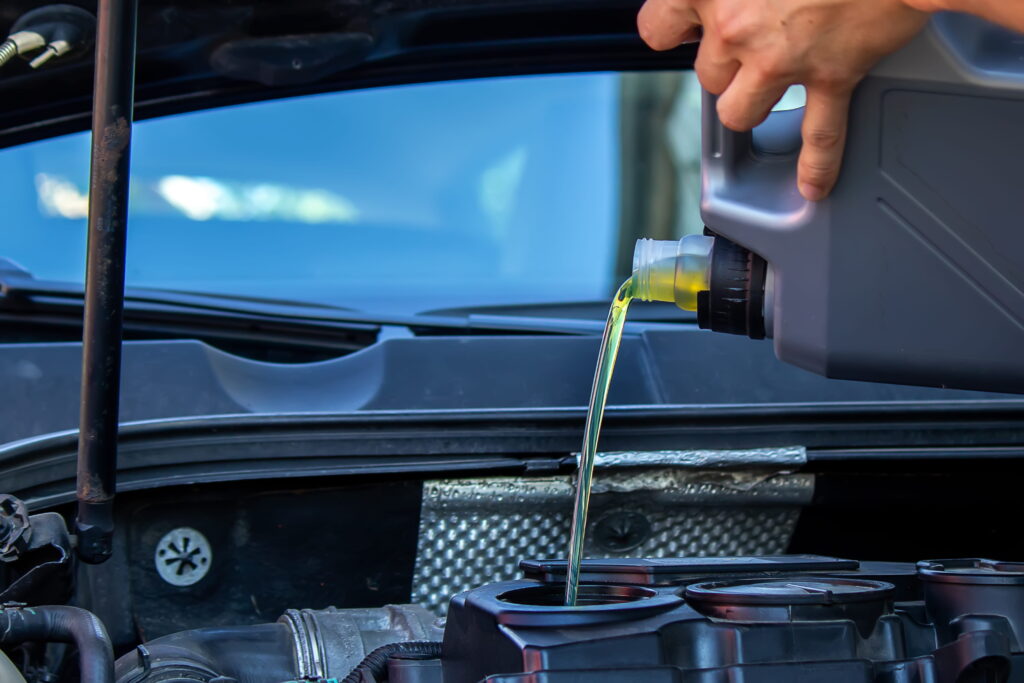
Step 4: Adding Fresh Motor Oil
The correct type and amount of oil is added based on the manufacturer’s specifications.
Proper oil viscosity ensures effective lubrication.
Step 5: Basic Vehicle Inspection
Technicians often check key fluids and components during the service.
These checks may include:
- Brake fluid
- Transmission fluid
- Coolant level
- Air filter condition
Step 6: Final Quality Check
Before returning the vehicle, technicians verify oil levels and ensure everything is properly secured.
This final inspection helps ensure safe operation.
Frequently Asked Questions
How long does an express oil change take?
Most express oil change services take between 15 and 30 minutes, depending on the vehicle and oil type used.
Are express oil changes safe for my car?
Yes. When performed by trained technicians using the correct oil and filter, express oil changes provide the same protection as traditional oil change services.
How often should I get an oil change?
Most vehicles require oil changes every 5,000 to 10,000 miles, depending on the oil type and manufacturer recommendations.
Can I choose synthetic oil at an express oil change shop?
Yes. Many express oil change providers offer synthetic oil, synthetic blend, and conventional oil options.
Do express oil changes include vehicle inspections?
Many express oil change services include basic inspections such as checking fluid levels and inspecting filters.
Final Thoughts
Express oil change services offer a convenient way for drivers to maintain their vehicles without sacrificing time or quality.
Routine oil changes remain one of the most important aspects of vehicle maintenance. Clean engine oil protects internal components, improves performance, and helps prevent costly mechanical problems.
By choosing a reliable express oil change provider and following recommended service intervals, drivers can keep their engines properly protected while minimizing downtime.
For busy drivers who rely on their vehicles every day, express oil change services provide a practical solution that helps keep engines running smoothly and efficiently.